

The critical success that “Anatomy of a Fall” is receiving seems to be without respite.
The latest film by the French director and screenwriter Justine Triet - already appreciated in the past for the prestigious nominations received during important international events - amazed everyone at the 76th edition of the Cannes Film Festival, winning the most coveted prize of the Palme d'Or with an absolutely innovative film in its category, the result of a brilliant cohesion between "legal thriller" and family drama.
In the atrocious event that makes a woman a helpless witness to the inexplicable death of her husband, in addition to the shock of which her son is also a victim, the tragic element arises from the emotional ups and downs of the cold realization of not being able to prove one's innocence. Together with the legal difficulties resulting from preserving one's position as an accused, we witness an extremely realistic escalation of judicial arguments between the defense and the charges; but also to the impact that the story has on the media, moved with impunity by the temptation to pass sentence before even discovering the truth.
A dense and layered picture of narrative elements that is striking above all for its verisimilitude and relevance to many of the news episodes that often make the front pages of newspapers, as well as triggering a profound reflection on the nature of couple relationships.
Precisely on this last point, the director wanted to express some considerations during the last Rome Film Festival . In addition to having clarified his special relationship with Italian cinema - appreciating in particular the works of colleagues such as Alice Rohrwacher and Pietro Marcello - to the question "Who is the real villain in a couple?" Triet responded as follows: «I don't know, a couple is always something very complicated. The film tries to see the global situation, without judging the woman or the man. The woman is the opposite of a tweet: so I try to see the situation from a broader point of view."
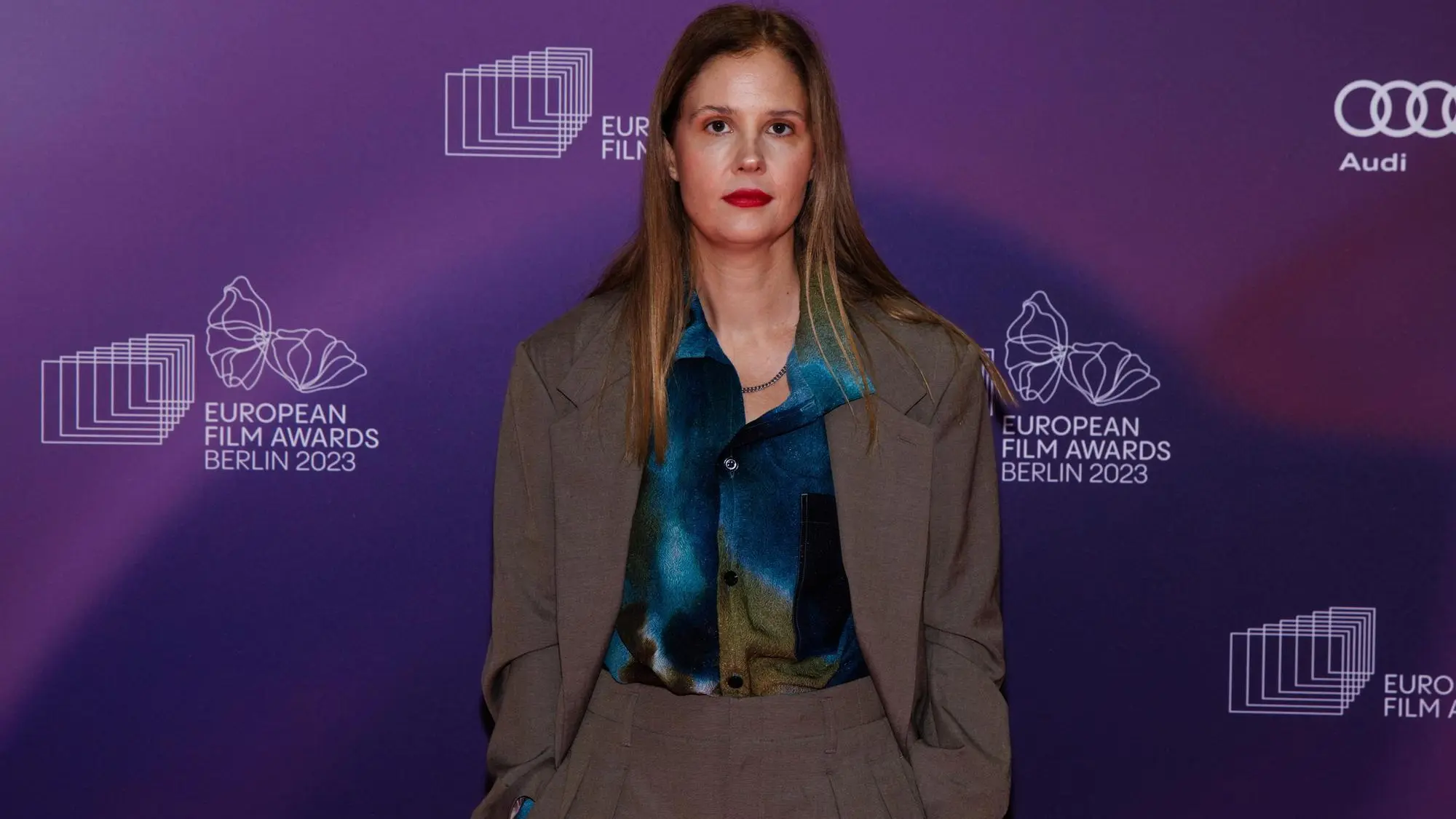
And today we learn that during the 23rd edition of the - an event organized by the European Film Academy, created to promote the latest promises of European cinema and which took place in Berlin starting from 9 December - the film achieved yet another milestone international, winning best+ film, best director, best actress (Sandra Hüller), best screenplay (Justine Triet and Arthur Harari) and best editing (Laurent Sénéchal).