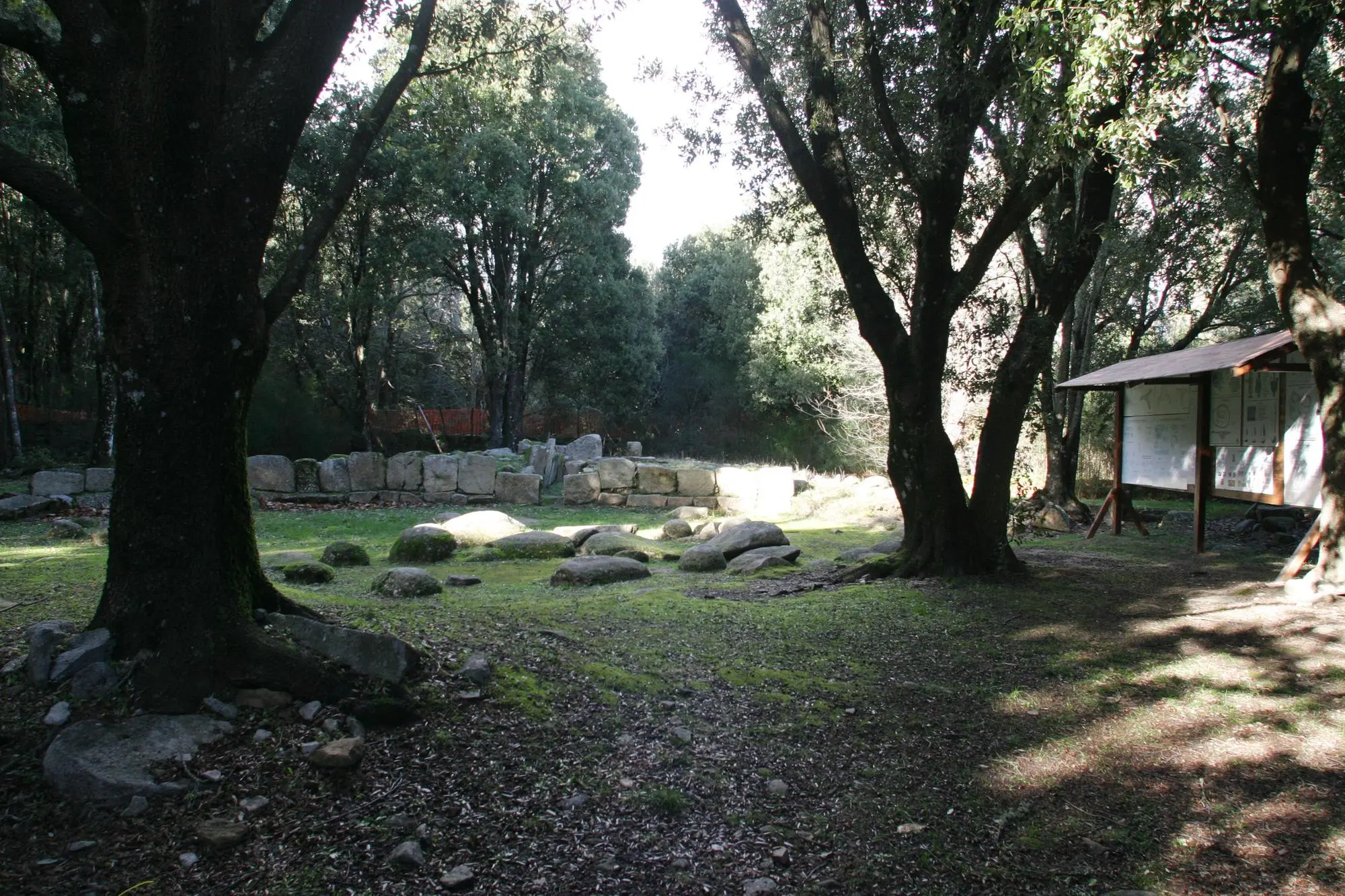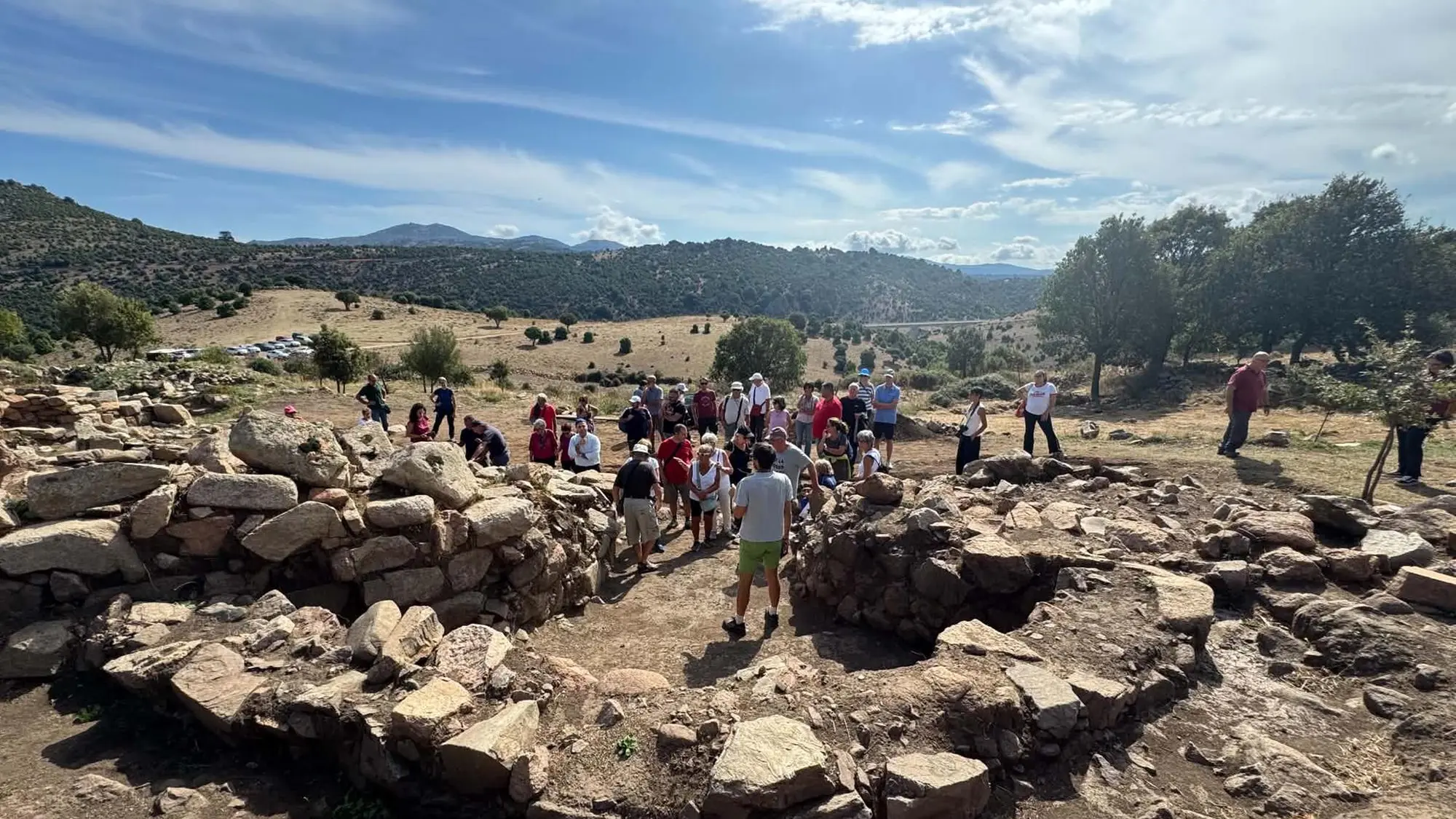


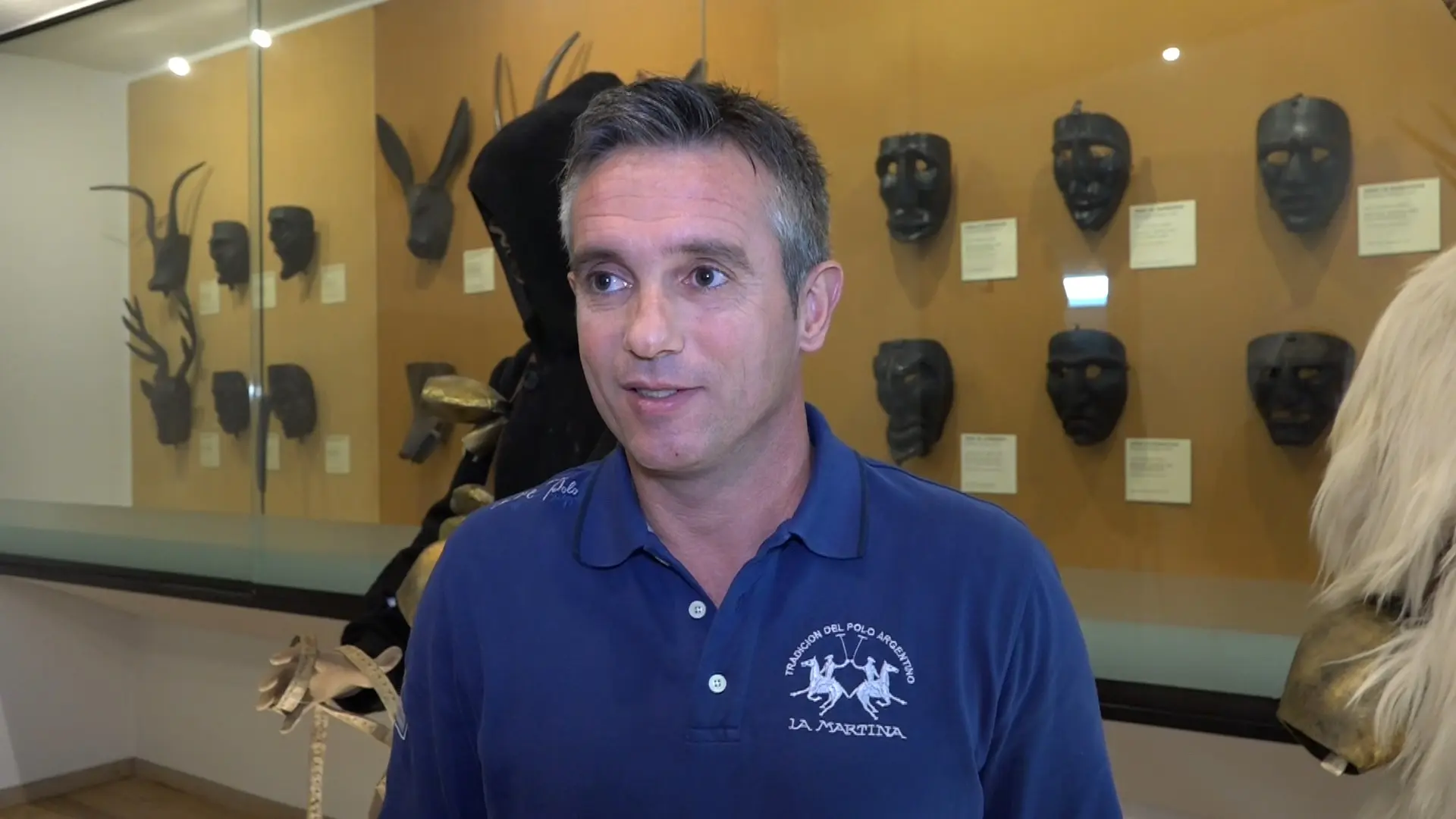
Nuragic treasures as a common denominator. Uniting Ogliastra, Barbagia, and Baronia. This is the strongly identifying calling card that the Nuoro Cultural District recently presented at the Mediterranean Archaeological Tourism Exchange in the setting of Paestum. The architect and messenger of the proposal was Mario Paffi, 56, coordinator of the DCN, with extensive experience in museum management and tourism development prospects in inland areas. "Our participation in the BMTA," Paffi explains, "aimed at making the Nuoro archaeological and cultural offerings more recognizable, showcasing experiences of collaboration between cultural sites, and establishing relationships with the organized tourism market. The initiative is part of a process already supported by the Museums Board, the Tourist Guide to Cultural Sites, the website, social media channels, and other promotional tools of the District, with the aim of encouraging the inclusion of the areas in cultural and experiential itineraries and contributing to the distribution of tourist flows throughout the year."
Three offers were presented to thirteen tour operators from Italy, the United Kingdom, Germany, France, Spain, and the Netherlands, some already familiar with Sardinia, others willing to introduce the island to their clients. "The Barbagia Tour, focusing on Nuoro," explains the DCN coordinator, "offers the discovery of archaeological and cultural sites along with traditions, agro-pastoral identity, and local products. The Ogliastra Tour, focusing on Villagrande Strisaili, connects archaeology and landscape with communities and the theme of longevity. The Baronia Tour, focusing on Dorgali, integrates archaeological and cultural visits with literary, artisanal, and food and wine experiences." Not just ancient remains, then, but also specific features capable of attracting significant tourist flows.