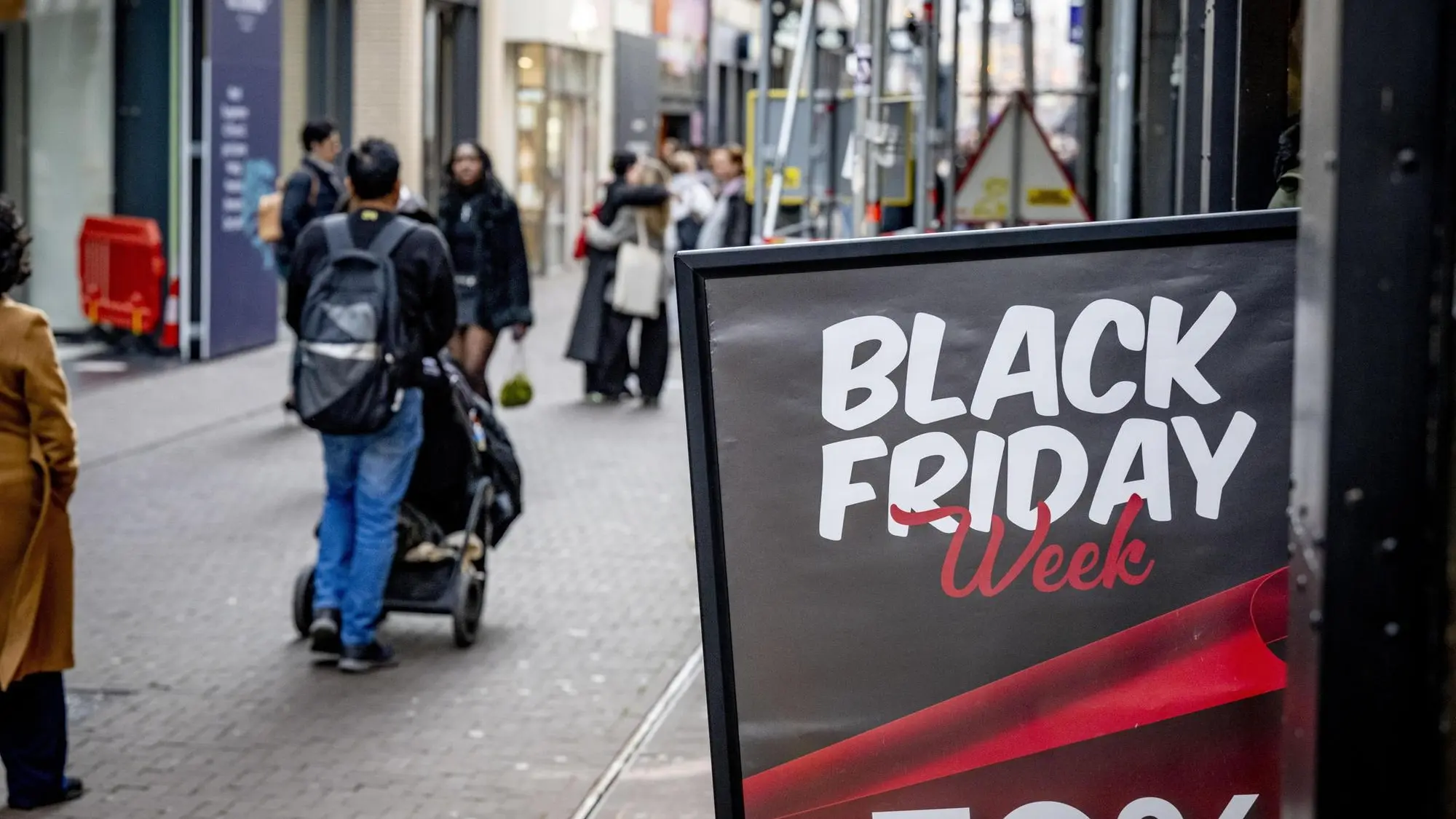


To understand the power of Black Friday, you don't need to look at discounts, but at behaviors. What began as a logistical tailgate for the American Thanksgiving has become, over the past twenty years, an indicator of the transformation of global consumption: a thermometer capable of revealing how much citizens, rather than prices, have changed. From the congestion of Philadelphia's shopping streets in the 1950s to the digital marathons that mark November today, "Black Friday" is no longer a single day of shopping, but a process, a season, and, above all, an observatory for understanding the desires and vulnerabilities of contemporary consumers.
The name, paradoxically, didn't originate in commerce. The first recorded "Black Friday" was on September 24, 1869, when gold speculation caused panic in the American markets. Only in the mid-twentieth century did the term begin to be applied to shopping, with Philadelphia police forced to manage the exceptional influx of citizens on the day after Thanksgiving.
Retailers even tried to clean up its image by renaming it "Big Friday," but to no avail. The phrase, however, took root in the 1970s and 1980s and was reinterpreted as the moment when retailers' accounts "went back into the black."
The phenomenon's expansion was as rapid as it was inexorable. In the 2000s, early openings—from 4 a.m. to midnight—became a competition between chains. In 2012, Walmart even opened early for Thanksgiving dinner, helping transform a familiar ritual into a commercial pretext. Excesses were not lacking: from the death of an employee trampled by a crowd in a New York supermarket in 2008 to the riots in British shopping malls in 2014. Frenzy, in those years, was the defining characteristic.
In Italy, the tradition arrived later, driven by online commerce. The role of marketplaces, led by Amazon, accelerated adoption, transforming Black Friday into a widespread event. Today, it's no longer just a single day or a weekend: November has become a structurally dedicated month for shopping. Surveys confirm this. In 2021, record daily peaks were recorded; in subsequent years, the load was redistributed over longer periods, a sign of a less impulsive and more strategic consumer. In 2024, compared to 1.17 million searches on Black Friday alone, the so-called "Black Week" totaled over 8.5 million searches. Shopping is no longer a flash, but a planned process.