








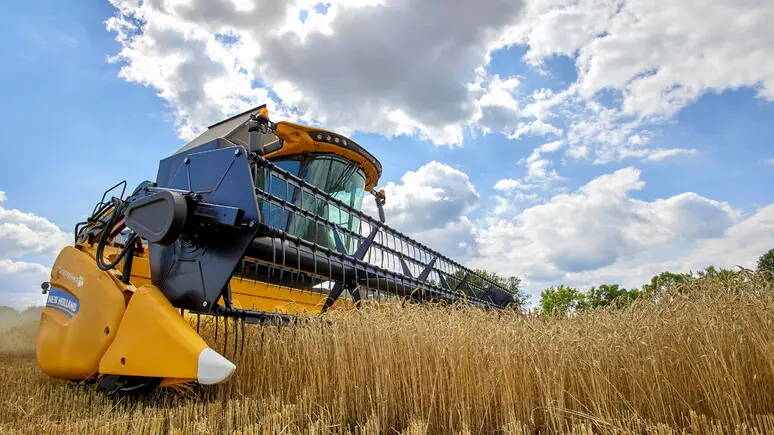


Sardinia's cereal sector, particularly durum wheat production, is undergoing a transformation that, in terms of numbers, has now assumed the proportions of a structural downsizing.
According to the most recent data, the area dedicated to durum wheat has gone from 97,108 hectares in 2003 to just 28,475 hectares estimated for 2025 .
A 70% decline in just over twenty years, only partially offset by increased yields (from 15 to 27 quintals per hectare). Production remains negative, however: the sector is currently unable to even meet domestic demand.
The causes are multiple but interconnected : changes to the CAP, price volatility, low-cost foreign competition, stagnant infrastructure investments and growing climate impact.
The current configuration of the sector is the result of a progressive loss of economic margins for primary producers.
The average price paid to producers is between 26 and 30 euros per quintal, a level considered unprofitable considering the costs incurred (seeds, processing, fertilization, harvesting). According to operators, this threshold does not guarantee the economic sustainability of businesses, especially those operating outside of supply chain contracts.
The aggravating factor is that this pricing is part of a context dominated by international volatility, often determined by speculative logic .
As highlighted by Confagricoltura, the financialization of the global grain trade (with prices set not at origin but during the voyage of cargo ships) generates a systemic distortion of the market.
The fluctuations experienced by a cargo traveling between North America and a European port are directly reflected in the value chain, further compressing the margin for the local producer.
Sardinian durum wheat boasts high quality characteristics, thanks in part to its low mycotoxin content and decades of varietal selection. However, the lack of an effective strategy for industrial and commercial development of short supply chains prevents these advantages from being fully exploited.