











A journey among the unique archaeological finds found in Barumini and the altarpieces of Sardinia, including in-depth studies on sector studies in Alta Marmilla and research perspectives, passing through the discovery of the architecture of the nuraghes and the evolution of their structural characteristics, but also a passage on the new Nuragic archeology research in Marmilla and a cross-section on the barony of Las Plassas in the modern age.
This is what opens on 4 February at the Giovanni Lilliu Cultural Heritage Communication and Promotion Center in Barumini, in the series of appointments on the island's cultural and archaeological heritage, in the presence of important experts in the sector who will retrace, in six stages, a journey through the Sardinian archaeological and nuragic world, in particular in the municipalities of Marmilla, to tell and analyze the many aspects that revolve around the sector.
The series of conferences, organized by the Barumini Sistema Cultura Foundation with the active collaboration of the National Archaeological Museum of Cagliari and the Superintendency of Archaeology, Fine Arts and Landscape for the Metropolitan City of Cagliari and the Provinces of Oristano and Southern Sardinia, is part of the training of Foundation personnel.
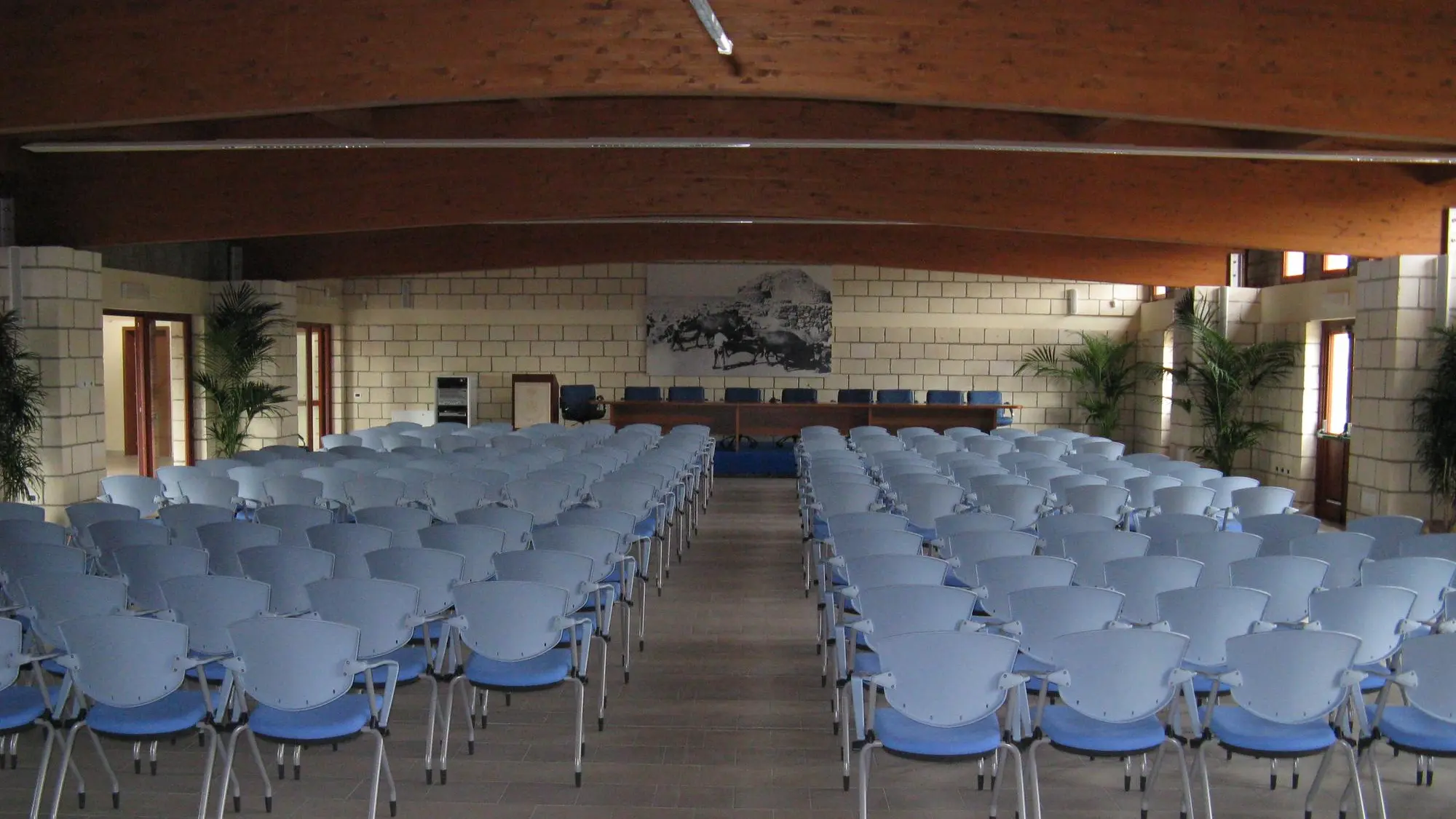
The appointments, however open to all, will enable moments of discussion on the importance of protecting, as well as preserving and promoting, the beauties of Sardinian history. The importance of the days will be sealed by the important speakers who will take turns in the conference room of the G. Lilliu Center and will talk about their theses and research.
The first appointment (Saturday 4 February - from 9.30 to 12.30) entitled: "From the National Archaeological Museum of Cagliari ... towards home", will feature the Olla with thickened rim of su Nuraxi, which returns to Barumini thanks to the appointment proposed by the most important archaeological museum in Sardinia. A meeting that also represents another demonstration of the importance of collaboration between entities to bring local territories and communities closer to issues related to knowledge of Nuragic culture and archaeological tourism.








