
















LEGGI IL QUOTIDIANO
LEGGI IL QUOTIDIANOOggi 12 November
L'Unione Sarda English
Abbonati
ITA|ENG|DEU|RUS|CIN
videolina Linkradiolina linkSardegna 1 linkVai online linkPBM link
Read the newspaper
L'Unione Sarda English
Subscribe
L'Unione Sarda

Iniziative Editoriali

  • Biblioteca dell'identità

Account

  • Abbonati
  • LEGGI IL QUOTIDIANO
ABBONATI A L’UNIONE SARDA

SCARICA L'APP L'UNIONE DIGITAL

Download GoogleDownload apple
videolina Linkradiolina linkVai online linkPBM link

2021 L'Unione Sarda S.p.A. Tutti i diritti riservati. É vietata la riproduzione, anche parziale e con qualsiasi mezzo, di tutti i materiali del sito. | Indirizzo della Sede Legale: Piazzetta L'Unione Sarda nr. 24 | Capitale sociale 11.400.000,00 i.v. | Codice Fiscale ed iscrizione presso l'Ufficio Registro Imprese di Cagliari 01687830925 (P.I. 02544190925) | REA: CA-136248

Cookie e Privacy PolicyModifica impostazioni privacyInformativa commentiCorporate
L'Unione Sarda

News

  • Cronaca Sardegna
  • Economia
  • Salute
  • Cultura
  • Sport
  • Gossip
  • Turismo

Servizi

  • Necrologi
  • Annunci
  • Pubblicità

Bella Sardegna

  • Spiagge

Iniziative Editoriali

  • Biblioteca dell'identità

Account

  • Abbonati
  • LEGGI IL QUOTIDIANO
ABBONATI A L’UNIONE SARDA

SCARICA L'APP L'UNIONE DIGITAL

Download GoogleDownload apple
videolina Linkradiolina linkVai online linkPBM link

2021 L'Unione Sarda S.p.A. Tutti i diritti riservati. É vietata la riproduzione, anche parziale e con qualsiasi mezzo, di tutti i materiali del sito. | Indirizzo della Sede Legale: Piazzetta L'Unione Sarda nr. 24 | Capitale sociale 11.400.000,00 i.v. | Codice Fiscale ed iscrizione presso l'Ufficio Registro Imprese di Cagliari 01687830925 (P.I. 02544190925) | REA: CA-136248

Cookie e Privacy PolicyModifica impostazioni privacyInformativa commentiCorporate
Home
Dialogue with the writers

Family Act: Alessandra Carati's scathing new novel

A family like many others, where one day everything collapses and under the rubble remains her, the little girl that everyone wanted for themselves and that no one loved enough
Roberto Roveda
31 maggio 2026 alle 10:00
Family Act: Alessandra Carati's scathing new novel
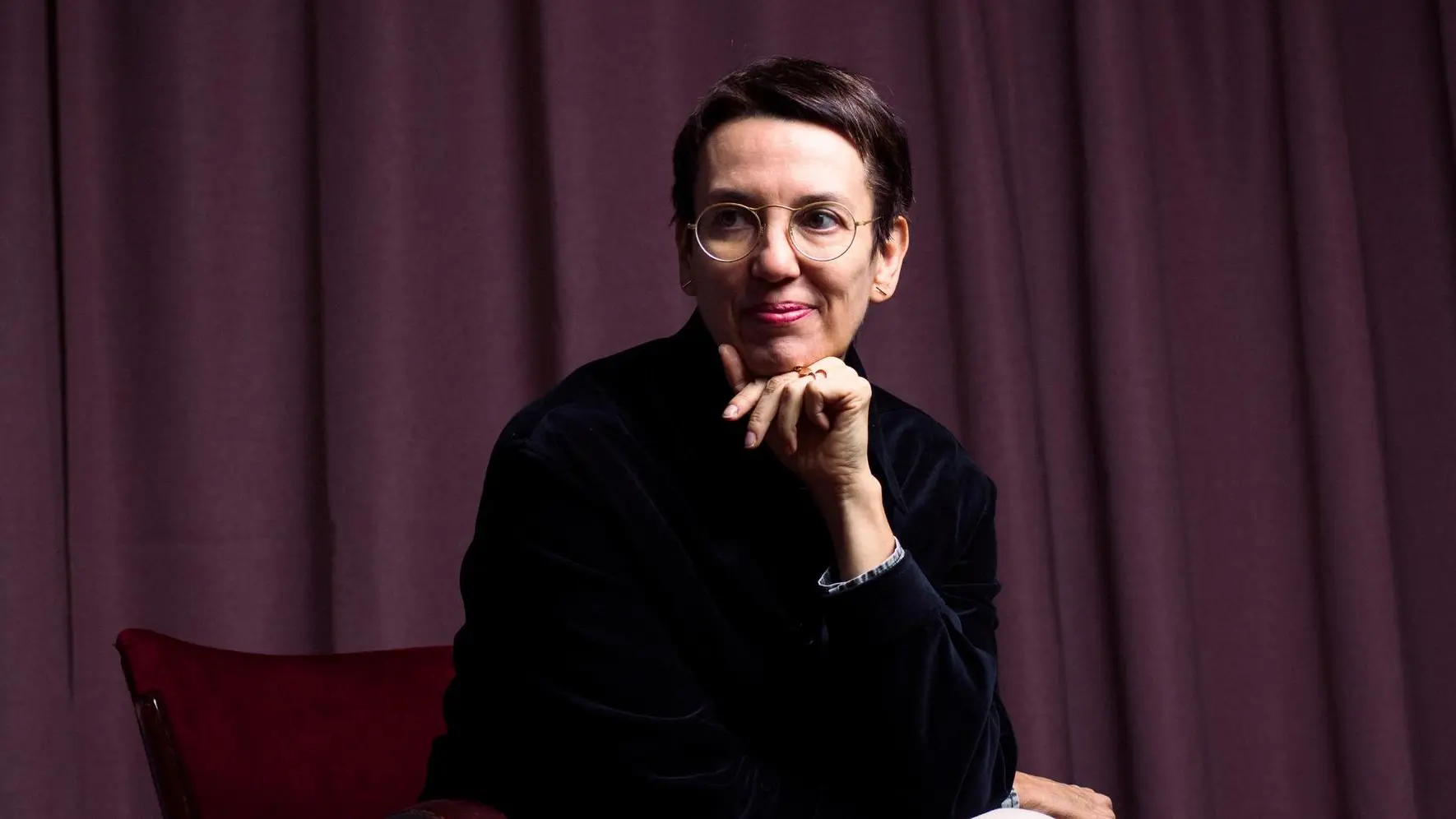
Alessandra Carati, credit Umberto Costamagna (foto concessa)
Resta informato su WhatsApp
FacebookXLinkedInWhatsApp
Argomenti similiSLOT_11
  • Da che parte sta?
    Caffè Scorretto

    Da che parte sta?

    Tacitus

Articoli correlati

Bomb scare, schools aren't closing. Meloni: "They want to scare us, not hit us. We'll react."
the emergency

Bomb scare, schools aren't closing. Meloni: "They want to scare us, not hit us. We'll react."

The prime minister called on the opposition and reassured them in a video on social media: "Nothing was found in the institutions. Those who send these threats want a nation that is terrified and fea…
Majority summit: "Forward with the statute, but no changes to the electoral law."
region

Majority summit: "Forward with the statute, but no changes to the electoral law."

The draft is ready and at the next session the special commission will begin examining all the articles.
Roberto Murgia
Grillo's appeal, the defense: "Evidence in our favor was ignored or undervalued, the trial must be retried."
Sassari

Grillo's appeal, the defense: "Evidence in our favor was ignored or undervalued, the trial must be retried."

In the grounds of appeal, a flurry of objections raised by the lawyers to the regularity of the conviction sentence of the Tempio Tribunal
Andrea Busia
Girasole: Mosquitoes test positive for the Usutu virus: Mayor's order comes into effect.
the alarm

Girasole: Mosquitoes test positive for the Usutu virus: Mayor's order comes into effect.

The verdict from the Teramo zooprophylactic institute is the first case in the municipality.
Roberto Secci
The eighteenth edition of the Carbonia Film Festival kicks off
cinema

The eighteenth edition of the Carbonia Film Festival kicks off

This morning, the Skan mural was unveiled at the ticket office, and the festival officially opens this afternoon. The event will get into full swing in the coming days.
MARCO CORRIAS
Salerno, a new adventure in the Eccellenza league: he will coach the Tortolì women's team.
soccer

Salerno, a new adventure in the Eccellenza league: he will coach the Tortolì women's team.

The 42-year-old coach returns to the bench, in a completely different context than those he has faced so far
Roberto Secci
Kimi Antonelli with his tricolor hair, Mercedes: "No words."
the champion

Kimi Antonelli with his tricolor hair, Mercedes: "No words."

In the video posted by the team, Kimi arrives at the headquarters, Wolff is incredulous: "Did you even pay?"
Costa Smeralda, the "emery gang" and thefts from dream villas: crimes prescribed after 16 years
Olbia

Costa Smeralda, the "emery gang" and thefts from dream villas: crimes prescribed after 16 years

In 2010, raids took place in Porto Cervo and Olbia, with the villa of an undersecretary of Labour and the residence of a Roman countess also targeted.
Andrea Busia
Ciro Grillo trial: appeal faces immediate risk of postponement
court

Ciro Grillo trial: appeal faces immediate risk of postponement

The defense: "A judge's signature is missing; the first-instance ruling must be retried."

At first, a family like many others, unhappy in their own way. A present and insecure father, an absent and eccentric mother, a daughter torn between them, happiness and fidelity. Cracks are everywhere, but they are covered by small glimpses of normality, by life that must go on. Then one day, everything falls apart, for each in their own way, and under the rubble remains her, the little girl everyone wanted for themselves and no one loved enough; she, the heart of a body that no longer exists.

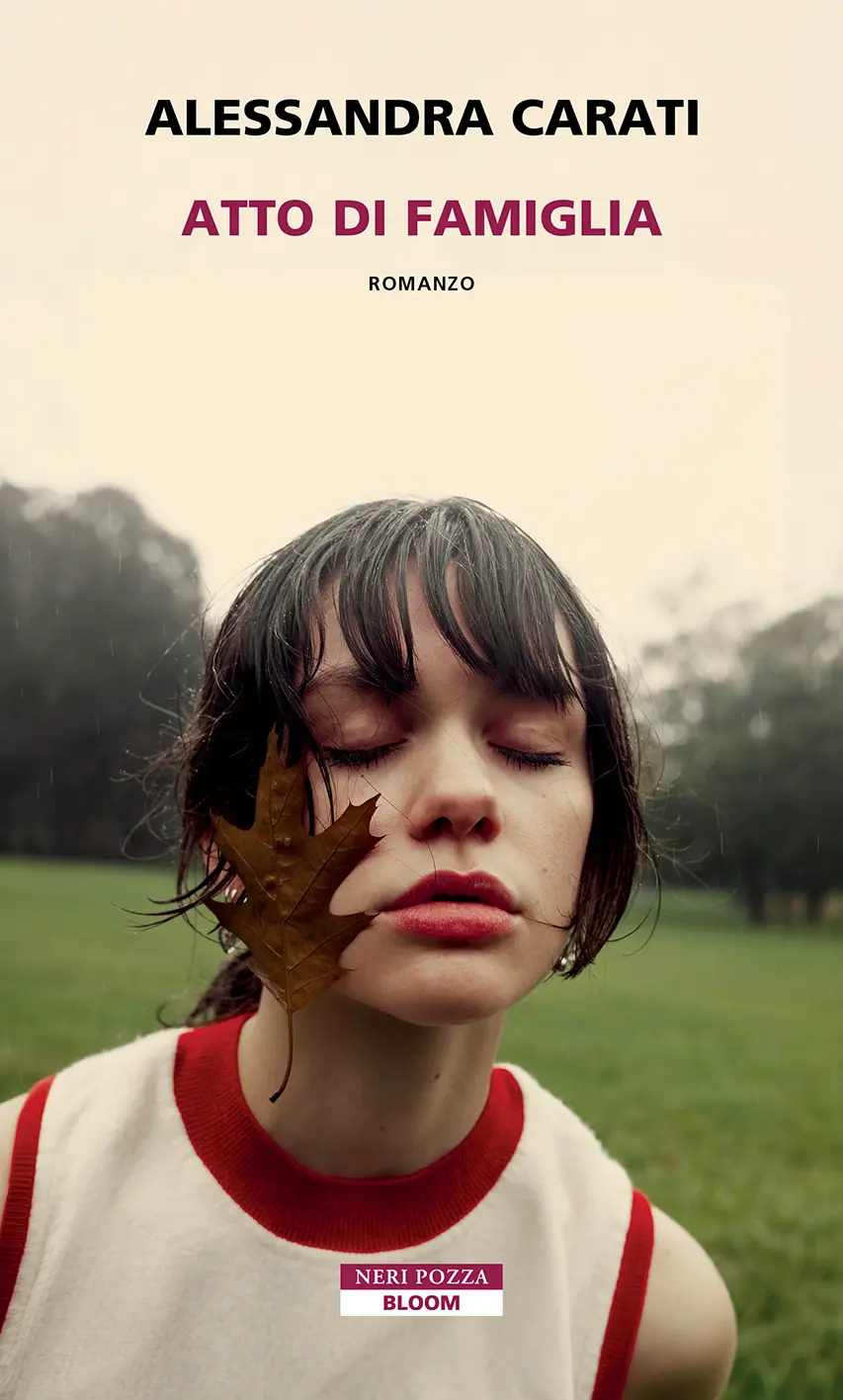
Alessandra Carati, with her usual lucid empathy, recounts in Atto di famiglia (Neri Pozza, 2026, €18.00, 180 pages. Also available as an ebook) the dramatic yet possible end of a family, giving space to the versions of all the actors involved, often discordant, contradictory, but no less truthful. A scathing novel that tells us that evil doesn't always require violated bodies, but can also insinuate itself behind silence, cowardice, and lies.

We asked Alessandra Carati how we could define the family that is the protagonist of her novel:

The point is precisely the impossibility of defining it. In fiction, you don't move within categories; you explore specific objects, specific people, specific situations, each with its own nature and reality. And, for this reason, they are irreducible to definition. While writing the book, I purposely avoided using terms like 'toxic relationship,' 'dysfunctional family,' 'abuse,' because they are broad words that fail to fully capture the multiplicity and uniqueness of what can happen in a particular family. When the story remains on the level of the minimal things, the little, the nothingness that make up our days—our lives—we can even shorten the distance and recognize ourselves in these characters, even if only in a small way.

How are the father and mother similar and how are they different?

At first glance, they might seem like two characters who function and view the world very differently. If you pay attention to the quotations in the epigraphs that open their respective chapters, you'll notice that they mention two opposing seasons—summer for him, winter for her—but in both, the same danger is evoked: the possibility of being killed. Ultimately, both end up moving along the same axis of relationship, domination, occupying its two poles alternately—the one who dominates, the one who is dominated. Neither manages to escape the other. They turn affection into the opposite feeling, until it becomes stable and lasting. They will remain trapped for life in mutual resentment.
Family Act: Alessandra Carati's scathing new novel
La copertina del libro

How does the daughter deal with what is happening in her family?

The only innocent character is the daughter; but only at the beginning, when she is a child. When the reader meets her at two successive times—at twenty and then at thirty-seven—he realizes that she too has learned her parents' language of relationships. She has, in turn, become adept at enacting the aggression she has witnessed, directing it even toward herself. She has learned to make the best of the situation in which she grew up, exploiting every advantage her role offers her. When she happens to meet someone outside the family, she discovers that things between human beings can be different and that she can invent a new psychic alphabet.

How much of what we call “love” is actually a need for control?

There's a strange need to separate in language what always appears spurious in experience, as if a pure feeling could exist in reality. Sometimes, the people we're closest to are the same ones we feel deep anger or resentment toward. All these conflicting forces exist within us in the same space and—sometimes—at the same time; without canceling each other out, without being resolved. This is what happens to the daughter: in the end, she manages to inhabit her contradictory feelings without giving in to the urge to deny them, avoiding the risk of being torn apart by them.

© All rights reserved