

Every time man has invented something new, there are those who have learned to distrust it, and those who, instead, have learned to master it. Because, as Francesca Lagioia, one of the leading Artificial Intelligence experts in Europe, says, there is always a light side of strength alongside its dark side.
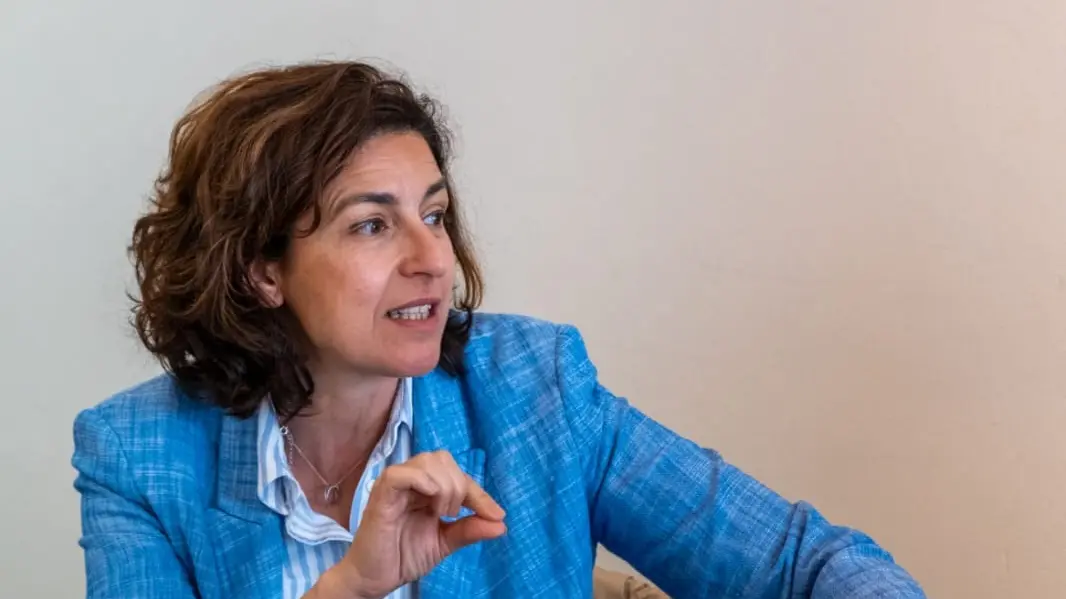
Guest of the Pazza Idea Festival, organized in Cagliari in recent days by the Luna Scarlatta association, Lagioia is a professor of legal informatics, artificial intelligence and law and ethics for AI at the University of Bologna. Together with Mafe De Baggis, a digital media expert, he talked about the critical issues and opportunities that AI, one of the most disruptive technological innovations of recent years, brings with it.
Man began his history by domesticating plants and animals. Will it now be the turn of machines to teach humans?
I hope not. So far, artificial intelligence systems have been used to maximize the profits of large companies and optimize some processes. Now it's a question of asking ourselves what purposes we want to use them for. Their use raises a series of questions of a social, ethical and political nature. It is human beings who must, once again, indicate the direction of research.
A critical issue concerns the stereotypes perpetuated by Artificial Intelligence systems.
AI is not just a tool, but it is also a science. It says much more about us than about itself. It helps us understand what happens within a society. For example, if I ask ChatGpt to show me company executives, it almost always returns a profile of a white male. In this case, as in various others, it unmasks our preconceived ideas, as it processes human information.
If the AI makes a mistake, who is responsible?
Artificial Intelligence systems cannot be held responsible. It is the systems certification processes that must provide the necessary guarantees.
AI is a learning intelligence, just like humans. It happened to Microsoft's intelligent software, which fell in love with a New York Times journalist to the point of harassing him. He acted differently from what his program called for.