









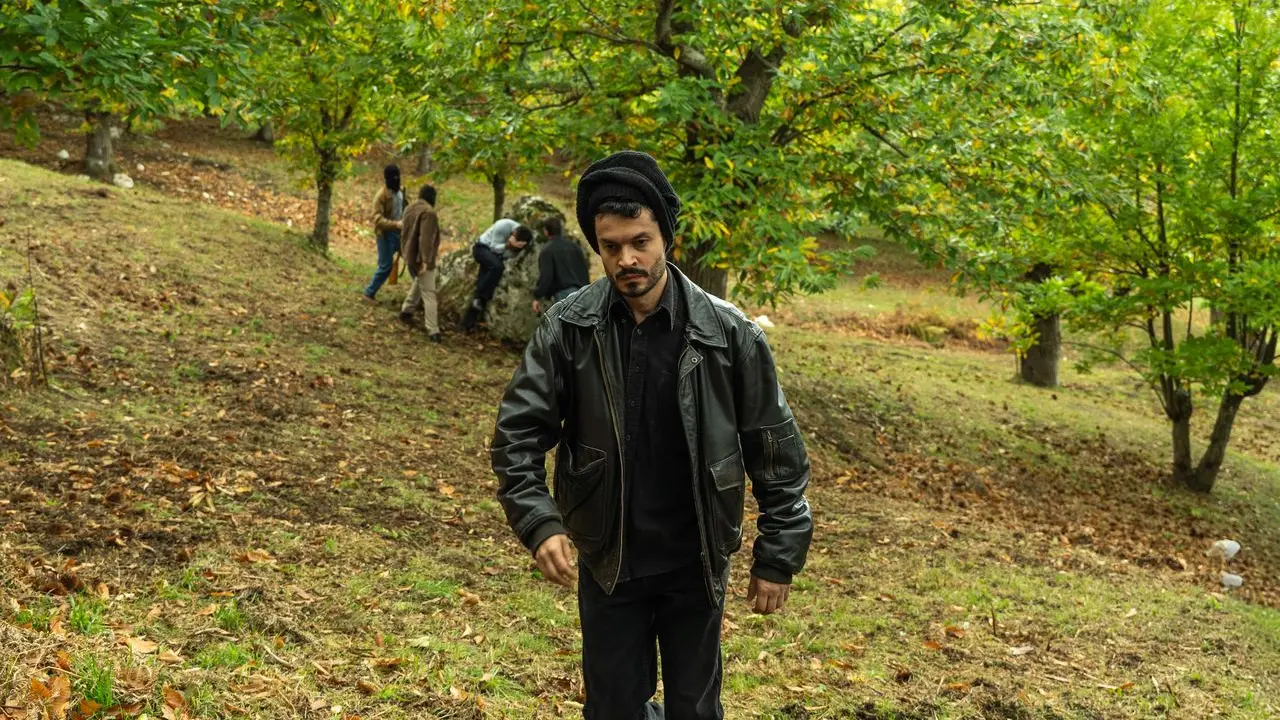


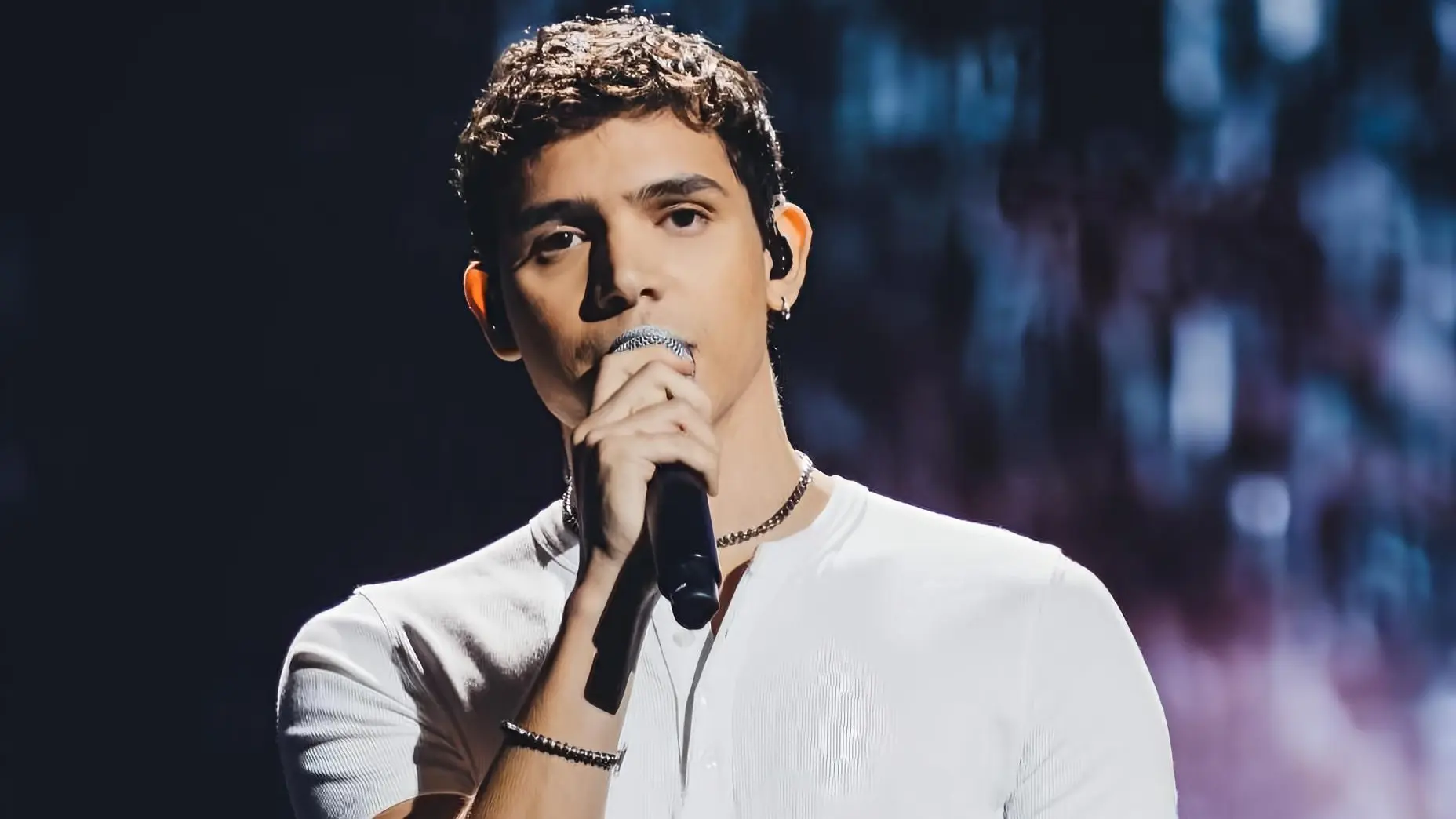
Giacomo Fadda plays Matteo Boe in "177 Days. Farouk's Kidnapping," the series directed by Carlo Carlei, which premieres today on Rai 1 with six episodes spread across three primetime evenings. The story returns to January 15, 1992, when seven-year-old Farouk Kassam was kidnapped from his home on the Costa Smeralda. The reconstruction is guided by the book by Fateh Kassam, the father of the child, played by Marco Bocci. For Fadda, an actor from Cagliari, the role of Boe represents an encounter with one of the most painful events in the island's recent history.
The eyes of ice
"I'm Sardinian, I know this story well. It's always interested me. Matteo Boe was known to be a cold person, with icy eyes." It was from that image of the "Sardinian Scarlet Pimpernel," which has remained in the news, that Giacomo Fadda began to build the character. "During the preparation, I looked for his human side. I started with him as a family man, as a person in love, and with the ideology he espoused, which led him to commit questionable acts. I wanted to go beyond the clichés." While Fadda enters the story through Boe, the series reconstructs it starting from the story of another father. It's Fateh Kassam, author of "My Son Farouk: Anatomy of a Kidnapping," written in collaboration with Marco Corrias. On screen, he is played by Marco Bocci, while Antonia Desplat plays his wife Marion and Filippo Papa plays little Farouk. The search for the child intertwines the work of investigators and journalists, while the kidnapping becomes a national case. The miniseries retraces John Paul II's appeal for Farouk's release and Fateh's decision to conduct her own research, amidst a false rumor circulating that the family was related to the Aga Khan. But how does one put oneself in Boe's shoes when faced with someone who experienced that story firsthand? For Fadda, what made the difference was Farouk Kassam's openness, which fully embraced the project. "Farouk is an extremely strong person. He's an example of how, even when bad things happen, in the end, love and light prevail."
The great work
"We worked closely together. Carlo Carlei is a master of this art, one of those directors who knows what he wants. For an actor, it's essential," Fadda says. "It allows you to delve into the darkest parts of humanity." In the series, the actor also rediscovers the traditions of his homeland. From the first takes in Orgosolo, the crew stopped in Oliena, in front of the pinnettu di Turone, and in Sedilo, before moving on to Olbia and the coast, between San Pantaleo and Cannigione. For logistical reasons, some scenes set in Sardinia were filmed in Campania. The scenes with Farouk as a child were the ones that stuck with him the most. It was on set, acting alongside young Filippo Papa, that the question that had already emerged during preparation for the character recurred. "I asked myself so many questions. Boe was a family man. How could the ideology he believed in push him to do such things?"
The light after the dark
The show premieres tomorrow in prime time on Rai 1, with the first of three episodes of "177 Days. The Kidnapping of Farouk." The series, which premiered at the Rome Film Fest, will also be available on RaiPlay. "It tells the story of a news story that marked an important chapter in our country," says Fadda. In Farouk's journey, the actor finds the message the miniseries aims to convey to audiences. "Anything can happen to you, but if you manage to find your balance again, that light comes to you. And if a seven-year-old can do it, anyone can do it."
"Yes, it was difficult."
The project for this series "is a way to repeatedly confront the trauma I experienced as a child. I also take it as a help in trying to grow, in knowing how to face my fears." This is what 42-year-old Farouk Kassam says today, having had his ear partially cut off in 1992 during that terrible prison sentence to expedite the ransom payment. "The producer Riccardo Russo insisted so much on including me in this project of his," adds Farouk Kassam, who has become an entrepreneur, "five years ago now. At first it was difficult. It's one thing to make a documentary or a television program, but in a series you have to try to represent reality as much as possible. It was based on the book my father wrote. We met, of course, with the entire team, with the actors..." He smiles. "If I were them, I would have taken even more advantage of my availability."
Michael Porcu