

But is "power" "male" or "female"? Or is it just and simply power variously interpreted when in the masculine and when in the feminine? The question is clearly provocative and, probably, sadly ironic as well, but the various and "poor" (in many ways) linguistic-expressive diatribes of the past week force a reflection that aims to go beyond the sterile linguistic altercation that has come to generate between those who would seem to define themselves and would like to believe themselves to be "right" and those who would like to recognize themselves, conversely, as passionate militants of the "left". Distinguishing themselves from each other, the former from the latter, solely according to the choice between an "o" and an "a" in the declination of one of the most coveted positions in our government.
A way like any other, in short, evidently pleasing to a political narrative that is no longer such in its qualifying connotations, to "discuss the sex of angels" through the mechanisms of "reductio ad absurdum".
If these are the qualifying premises of government action, then we will have to resign ourselves from now on to feel that marginal or irrelevant issues are given importance to the detriment of the much more serious ones present at the moment and which require immediate resolutive action.
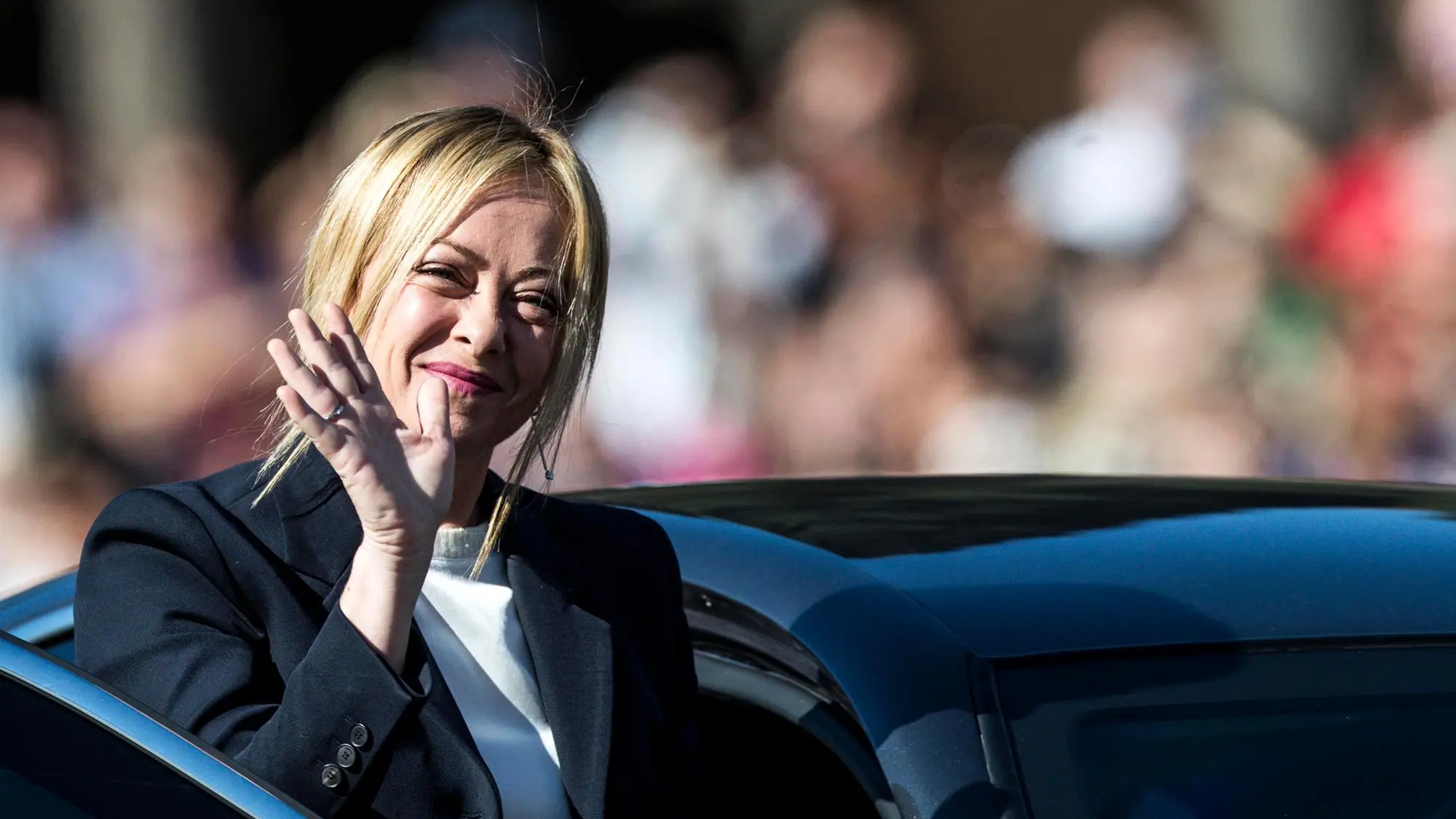
Having removed any doubt that "the (lady) President of the Council of Ministers" remains the best expression with which to define Giorgia Meloni, that is, the first woman (like it or not) called to lead the government in Italy, it's time to end it: we cannot expect to always reduce everything to a question of "gender" only to underline a different vision of the political processes in progress.
The time has come to abandon, making it a sacrosanct reason, any useless, as strongly harmful, "forestry" and happily accept a historical process now well underway.
There is no question, then, on the circumstance for which someone intends to prefer the traditional male form, having the right to do so: Giorgio Napolitano, a notoriously leftist man, had preferred to "call" Laura Boldrini simply "the President of the Chamber" to mean, for the 'in fact, the insignificance of any discussion on the point, tendentious due to a defect of origin and not at all significant in terms of political relations. The choice between one or the other form, in essence, is the result of a pure and simple linguistic preference dictated by belonging to a certain generation or to a conscious ideological choice that would be, as in fact, rather ridiculous. impeach.