

In the fair during the Spanish domination, the civil celebrations of Santa Maria a Guspini began. Spanish politics gave rise to a unitary political identity, through the imposition of the Catalan popular market, for the diffusion of a common culture on trade. In Sardinia we have been talking about street fairs since 1575, when commercial activities typical of Hispanic markets began under the Spanish-Aragonese. 'The Fair in the Square' characteristic display for the sale of goods in the main Spanish and Portuguese port cities was brought to the Island. In 1600 a long period of brigandage began in Sardinia.
Numerous people wandered around the island posing as street vendors of various goods and animals, they often sold silver, mostly the goods were stolen goods obtained from actual 'greases'. The Spanish vice-kings issued various 'prayers' prohibiting street vending. Subsequent police regulations prohibited the change of residence, subject to verification of good conduct in the places of priority residence. The imposition of the use of the Fairs, by the Spaniards, had the aim of making people pay taxes on products and trade which, taking place in public, in fact could not escape the 'duty' foreseen by the regulations, simultaneously the gendarmerie could better control public order. The privileged place for commercial exchanges were the fairs in the squares.
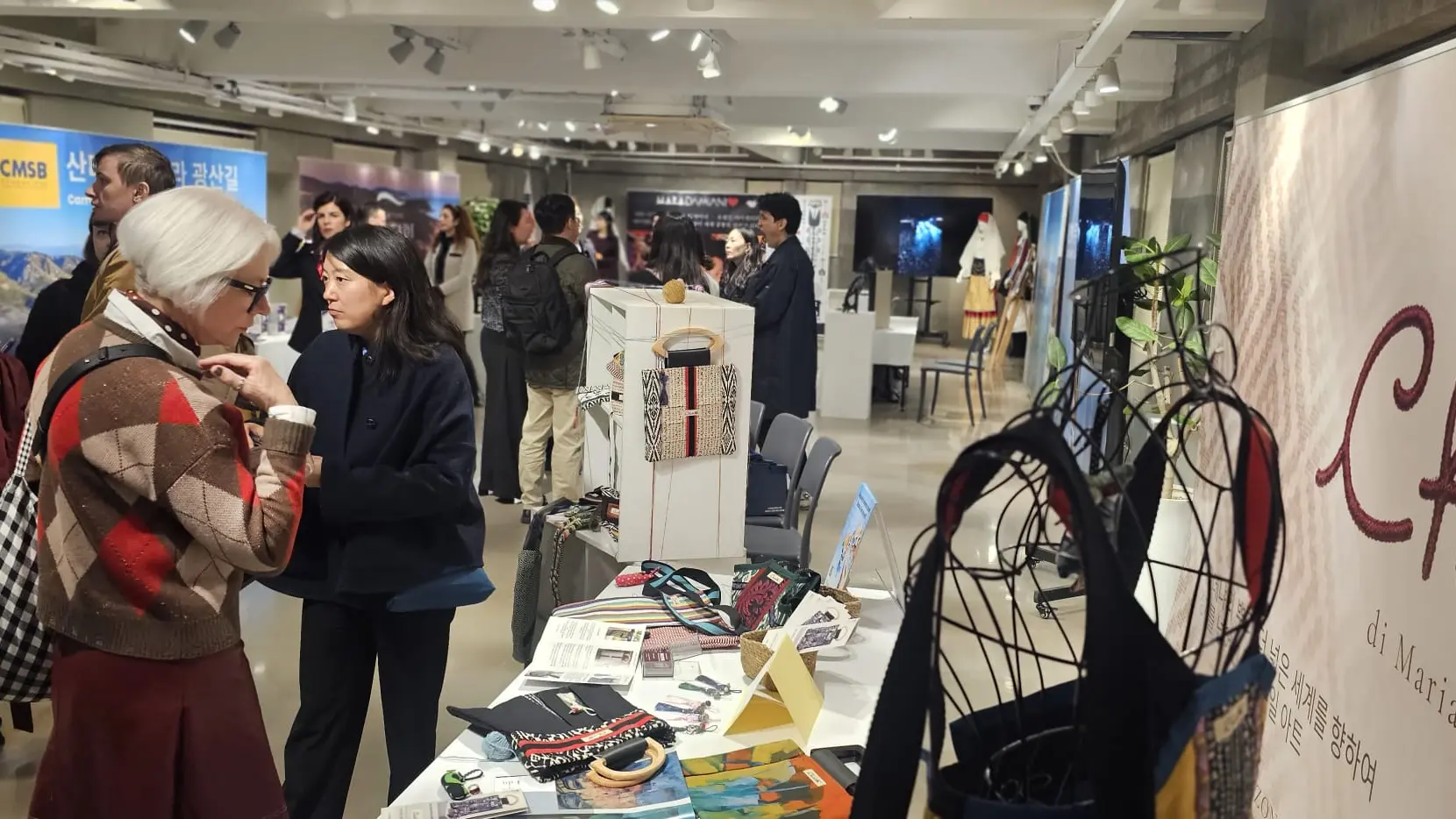
In fact, they were held on the occasion of patron saint festivals or important events and producers, small and large, brought their wares there. Guspini, due to its ancient aptitude for trade, also boasts a tradition of highly prestigious fairs since very ancient times. During the Feast of Santa Maria, a fair was held that lasted eight days. All the traders and artisans of the area came to the church square to sell or buy products, especially leather and livestock.
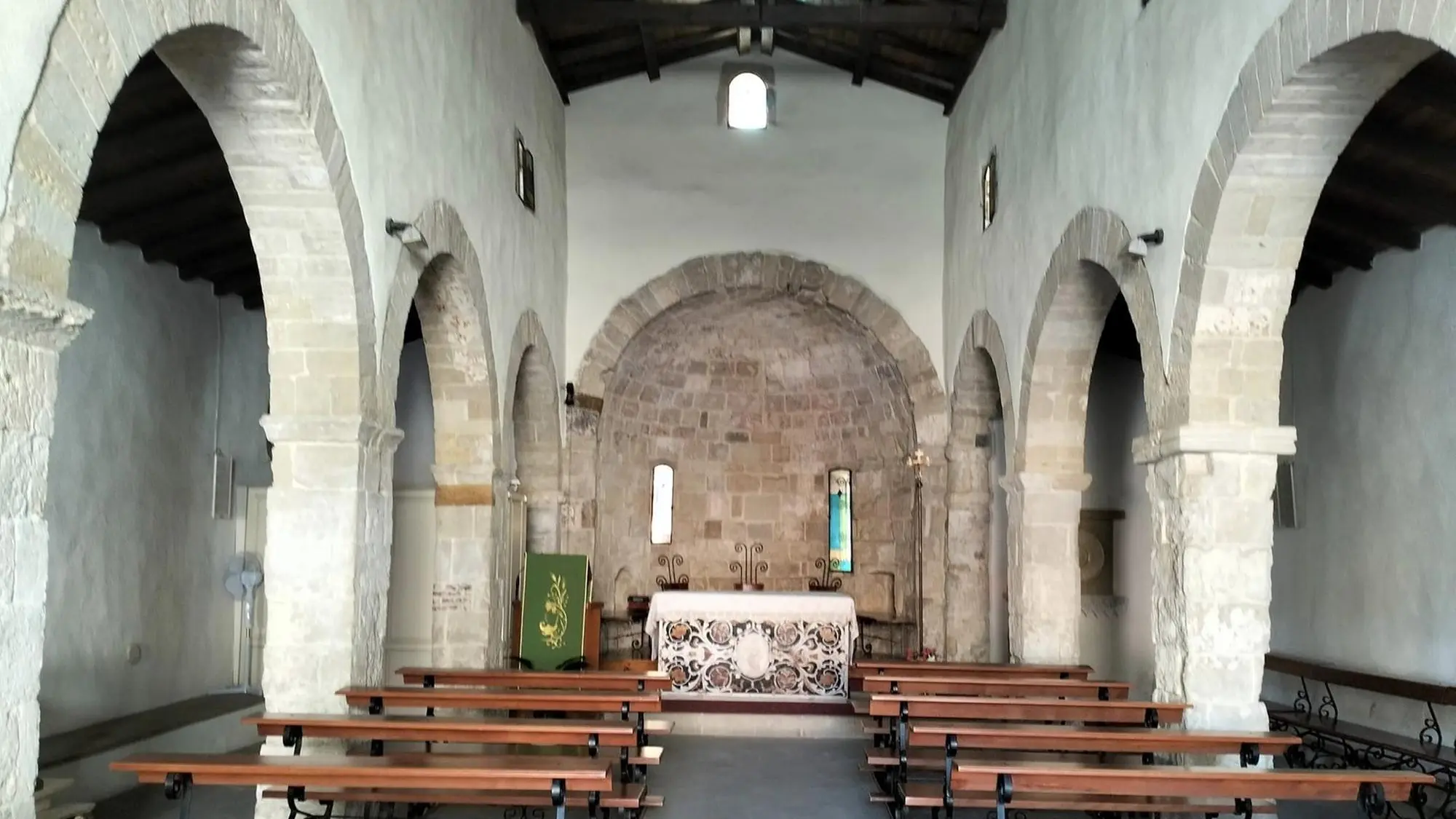
This fair was made even more important because the price of wheat and cereals, which had value for the entire territory, was set. The volume of business during the fair, which took place simultaneously with the feast of Santa Maria, became an important economic event. The clearing 'la Piazza' in front of the church of Santa Maria was the ideal place for the fair's warehouse and market. Next to the church of Santa Maria there was a monastic complex made up of small buildings, of the novena type, which disappeared in 1850 following urban expansion in what is now Via Santa Maria.