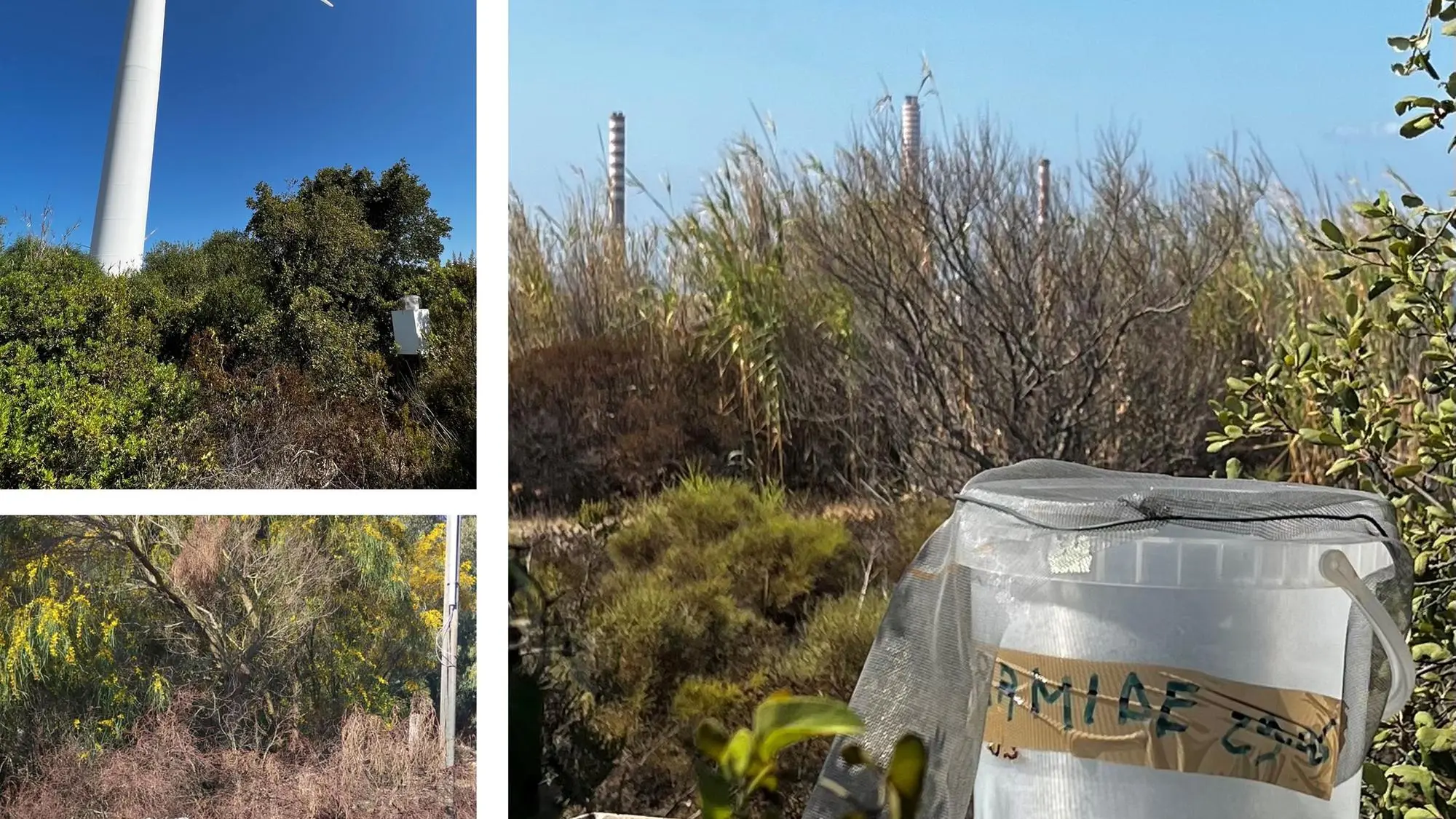


The anonymous disclosure breaks into the “stranded” gas tanker dossier when the scandal of the prohibited seabed in the industrial port of Sulcis has just exploded in the high environmental crisis area of Portovesme. When maps and coordinates reach the editorial office, the Istituto Superiore di Sanità had just finished dictating a resounding opinion against that floating regasifier in the heart of an area devastated by pollution and closed factories. The excerpts of georeferenced plans with latitudes and longitudes seem like a treasure hunt between chimneys and wind turbines, between landfills and disused quarries. The object of the dispute is certainly perceived: the industrial area of Portovesme and its state of health, or rather of illness. The only explicit "armored" detail in the pen drive is a list of locations, the most disparate, detailed as a sort of compass for the unwary in Sulcis.
The encrypted map
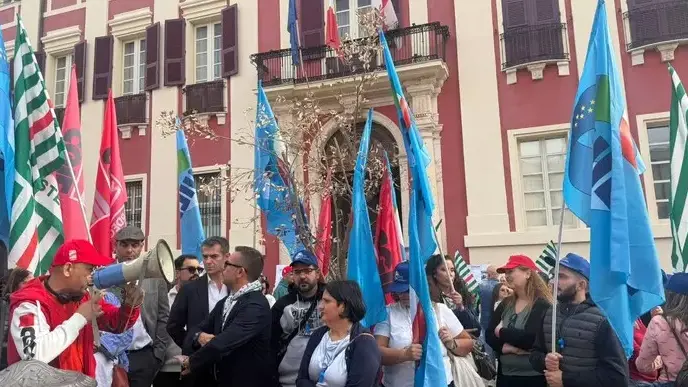
There are coordinates to the north and east, to be crossed on a road network worn beyond belief, as if time were stopping here with sudden strokes of hand brakes. There is no factory yet open, or already closed, where the faded flags of the endless struggles of the workers are not waved. The more you delve into these symbols of industrial archeology, the more you realize that the history of “disposable” Sardinia is increasingly consumed in a landscape of rust and abandonment. The industrial rubble can no longer be counted, the conveyor belts, one vault of coal and another of ash, bauxite and galena, fall apart, the trucks, once closed, another half-open, travel at a reduced pace, from the port "Stranded" up to the furnaces that are still burning.
Sa Pyramid
The most explicit name of the encrypted map in our hands is “Sa Piramide”, the symbol of that nefarious violence that struck this territory when the environment was considered a useless ornament, to be plundered and devastated. Before it was an uncontrolled landfill, now it's reshaped as if that mountain of poisons had undergone a facelift to face eternity. The access codes at the point indicated by the map lead to an unknown location, right on the rocky alleys upstream of that gigantic pile of industrial waste, now apparently sealed and controlled. When you cross the last dusty path, before reaching the coordinate set in the August papyrus, you feel like a whip to the brain that 120-meter-diameter blade slicing the sky, looking for wind and incentives. In the distance you perceive, between the green of the scrub and some tall trees, a white "point" suspended on the only tree that looks at the chimneys that stand out towards the industrial port, the one forbidden for the shallow waters.