LEGGI IL QUOTIDIANO
LEGGI IL QUOTIDIANOOggi 11 November
L'Unione Sarda English
Abbonati
ITA|ENG|DEU|RUS|CIN
videolina Linkradiolina linkSardegna 1 linkVai online linkPBM link
Read the newspaper
L'Unione Sarda English
Subscribe
L'Unione Sarda

Iniziative Editoriali

  • Biblioteca dell'identità

Account

  • Abbonati
  • LEGGI IL QUOTIDIANO
ABBONATI A L’UNIONE SARDA

SCARICA L'APP L'UNIONE DIGITAL

Download GoogleDownload apple
videolina Linkradiolina linkVai online linkPBM link

2021 L'Unione Sarda S.p.A. Tutti i diritti riservati. É vietata la riproduzione, anche parziale e con qualsiasi mezzo, di tutti i materiali del sito. | Indirizzo della Sede Legale: Piazzetta L'Unione Sarda nr. 24 | Capitale sociale 11.400.000,00 i.v. | Codice Fiscale ed iscrizione presso l'Ufficio Registro Imprese di Cagliari 01687830925 (P.I. 02544190925) | REA: CA-136248

Cookie e Privacy PolicyModifica impostazioni privacyInformativa commentiCorporate
L'Unione Sarda

News

  • Cronaca Sardegna
  • Economia
  • Salute
  • Cultura
  • Sport
  • Gossip
  • Turismo

Servizi

  • Necrologi
  • Annunci
  • Pubblicità

Bella Sardegna

  • Spiagge

Iniziative Editoriali

  • Biblioteca dell'identità

Account

  • Abbonati
  • LEGGI IL QUOTIDIANO
ABBONATI A L’UNIONE SARDA

SCARICA L'APP L'UNIONE DIGITAL

Download GoogleDownload apple
videolina Linkradiolina linkVai online linkPBM link

2021 L'Unione Sarda S.p.A. Tutti i diritti riservati. É vietata la riproduzione, anche parziale e con qualsiasi mezzo, di tutti i materiali del sito. | Indirizzo della Sede Legale: Piazzetta L'Unione Sarda nr. 24 | Capitale sociale 11.400.000,00 i.v. | Codice Fiscale ed iscrizione presso l'Ufficio Registro Imprese di Cagliari 01687830925 (P.I. 02544190925) | REA: CA-136248

Cookie e Privacy PolicyModifica impostazioni privacyInformativa commentiCorporate
How sugar changed the world
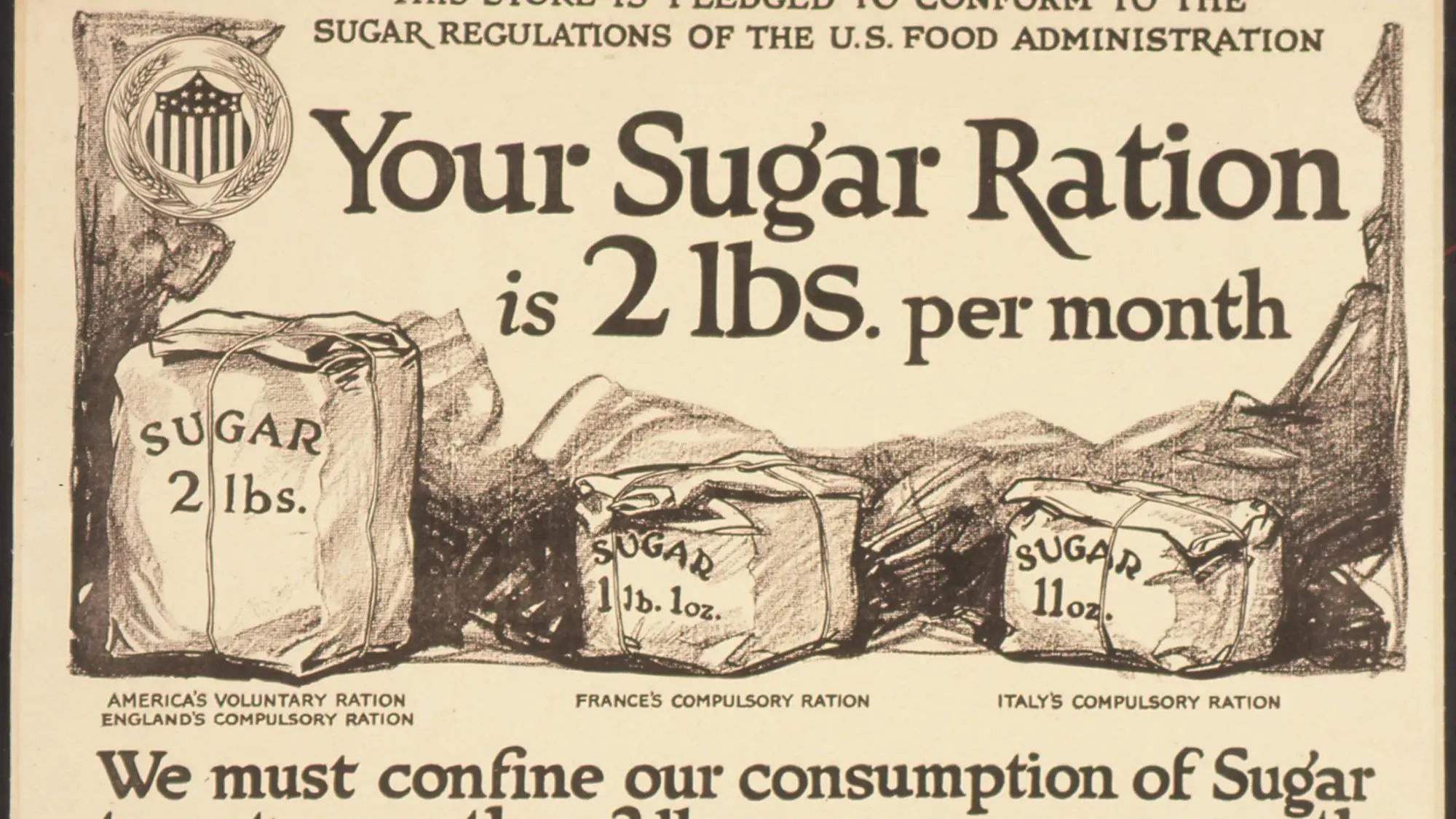
Un manifesto per il razionamento dello zucchero negli Stati Uniti in favore degli alleati durante la Prima guerra mondiale
Resta informato su WhatsApp
FacebookX
LinkedIn
WhatsApp

Until a few centuries ago, sugar was a luxury for a few, especially in Europe where it was not possible to grow the canes with which to produce this substance. In the Mediterranean basin, the sweet flavor was guaranteed only by honey and the little sugar available, imported from the East together with the finest spices, was prescribed by doctors to treat fevers and bronchial diseases. But even in Asia, where white sugar began to be produced with very refined techniques about 1500 years ago, its consumption was reserved for the most luxurious banquets of the Chinese and Indian elites.

Then things changed, almost suddenly. Starting from the sixteenth century, Europeans went further and further with their ships and discovered that the lands of Latin America and the Caribbean had the ideal characteristics for cultivating sugar canes on a large scale, in immense plantations. The earnings of the owners of these expanses of cane became enormous, also because labor was practically free. In fact, millions of African slaves were deported to the plantations to work in inhumane conditions.

Europe began to be flooded with sugar, starting a revolution in food tastes that is still with us. A "sweet" revolution, but with a strong bitter aftertaste because producing sugar still today means exploitation of workers in producing countries, environmental devastation to extend cultivation, not to mention the damage to health linked to the abuse of this substance in modern nutrition.

That of sugar is therefore a story that is not at all obvious, a story of ingenuity and power that hides a dark side of exploitation, racism and environmental destruction as Ulbe Bosma tells us in his essay "The world of sugar" (Einaudi, 2024, euro 34, pp. 536. Also Ebook). The Dutch historian, in fact, does not limit himself to reminding us how this sweetening substance has progressively spread on our tables. Use the growth of sugar in our lives and our diet to better observe and understand our history and the world we live in. Bosma's book thus tells a long story that involved millions of people engaged in backbreaking work on plantations and sugar factories. It narrates the workers' resistance to the inhumane conditions imposed by large sugar producers and the choice of many small farmers to continue producing this sweet substance in a traditional way, without excessive impact on the environment.

© All rights reserved

Argomenti similiSLOT_11
  • Russi e russanti
    Caffè Scorretto

    Russi e russanti

    Luigi Almiento

Articoli correlati

Majority summit: "Forward with the statute, but no changes to the electoral law."
region

Majority summit: "Forward with the statute, but no changes to the electoral law."

The draft is ready and at the next session the special commission will begin examining all the articles.
Roberto Murgia
Grillo's appeal, the defense: "Evidence in our favor was ignored or undervalued, the trial must be retried."
Sassari

Home
to know more

How sugar changed the world

Historian Ulbe Bosma tells us how the passion for sweets has transformed our planet and our health
Roberto Roveda
7 aprile 2024 alle 10:00
Grillo's appeal, the defense: "Evidence in our favor was ignored or undervalued, the trial must be retried."
In the grounds of appeal, a flurry of objections raised by the lawyers to the regularity of the conviction sentence of the Tempio Tribunal
Andrea Busia
Girasole: Mosquitoes test positive for the Usutu virus: Mayor's order comes into effect.
the alarm

Girasole: Mosquitoes test positive for the Usutu virus: Mayor's order comes into effect.

The verdict from the Teramo zooprophylactic institute is the first case in the municipality.
Roberto Secci
Bomb scare, schools aren't closing. Meloni: "They want to scare us, not hit us. We'll react."
the emergency

Bomb scare, schools aren't closing. Meloni: "They want to scare us, not hit us. We'll react."

Meloni called on the opposition and reassured them in a video on social media: "Nothing was found in the institutions. Those sending these threats want a nation that is terrified and fearful."
The eighteenth edition of the Carbonia Film Festival kicks off
cinema

The eighteenth edition of the Carbonia Film Festival kicks off

This morning, the Skan mural was unveiled at the ticket office, and the festival officially opens this afternoon. The event will get into full swing in the coming days.
MARCO CORRIAS
Salerno, a new adventure in the Eccellenza league: he will coach the Tortolì women's team.
soccer

Salerno, a new adventure in the Eccellenza league: he will coach the Tortolì women's team.

The 42-year-old coach returns to the bench, in a completely different context than those he has faced so far
Roberto Secci
Kimi Antonelli with his tricolor hair, Mercedes: "No words."
the champion

Kimi Antonelli with his tricolor hair, Mercedes: "No words."

In the video posted by the team, Kimi arrives at the headquarters, Wolff is incredulous: "Did you even pay?"
Costa Smeralda, the "emery gang" and thefts from dream villas: crimes prescribed after 16 years
Olbia

Costa Smeralda, the "emery gang" and thefts from dream villas: crimes prescribed after 16 years

In 2010, raids took place in Porto Cervo and Olbia, with the villa of an undersecretary of Labour and the residence of a Roman countess also targeted.
Andrea Busia
Ciro Grillo trial: appeal faces immediate risk of postponement
court

Ciro Grillo trial: appeal faces immediate risk of postponement

The defense: "A judge's signature is missing; the first-instance ruling must be retried."

Bosma does not forget, however, that the history of sugar is also an exciting story, which has led human beings to perfect the art of manufacturing this substance, placing the creativity of craftsmanship, the intuitions of ancient producers and the miracles of chemistry at the service of ambitious industrial and commercial projects, even if too often unscrupulous. Sugar is at the center of enormous economic and commercial interests, interests controlled by a few large multinationals and by veritable dynasties of large producers, powerful entities capable of influencing the choices of governments and international bodies. The result is that what should be a luxury to be indulged sparingly is in abundance, with serious consequences for human health given that sugar is among the main causes of obesity-related diseases.

Bosma does not criminalize this substance, which remains an essential element for our well-being. Sugar is the fuel of our cells because it is the main nutrient they use for their metabolism. Today, however, there is too much sugar in the foods we consume without even realizing its presence as happens with bread, pasta, vegetables, fruit, milk, in the form of maltose, glucose, fructose, sucrose, lactose. To this we must add the excessive quantity of sugar present in industrial products. Thus an American consumes on average about sixty kilos of sugar per year and a European about forty. If every inhabitant of the globe consumed sugar of this type there would be no hope for humanity: we would have to convert all the arable land to sugar cane and beet and it probably wouldn't even be enough. A topic to reflect on and not a little when we talk about the sustainability of our behaviors.

<p>The cover</p>