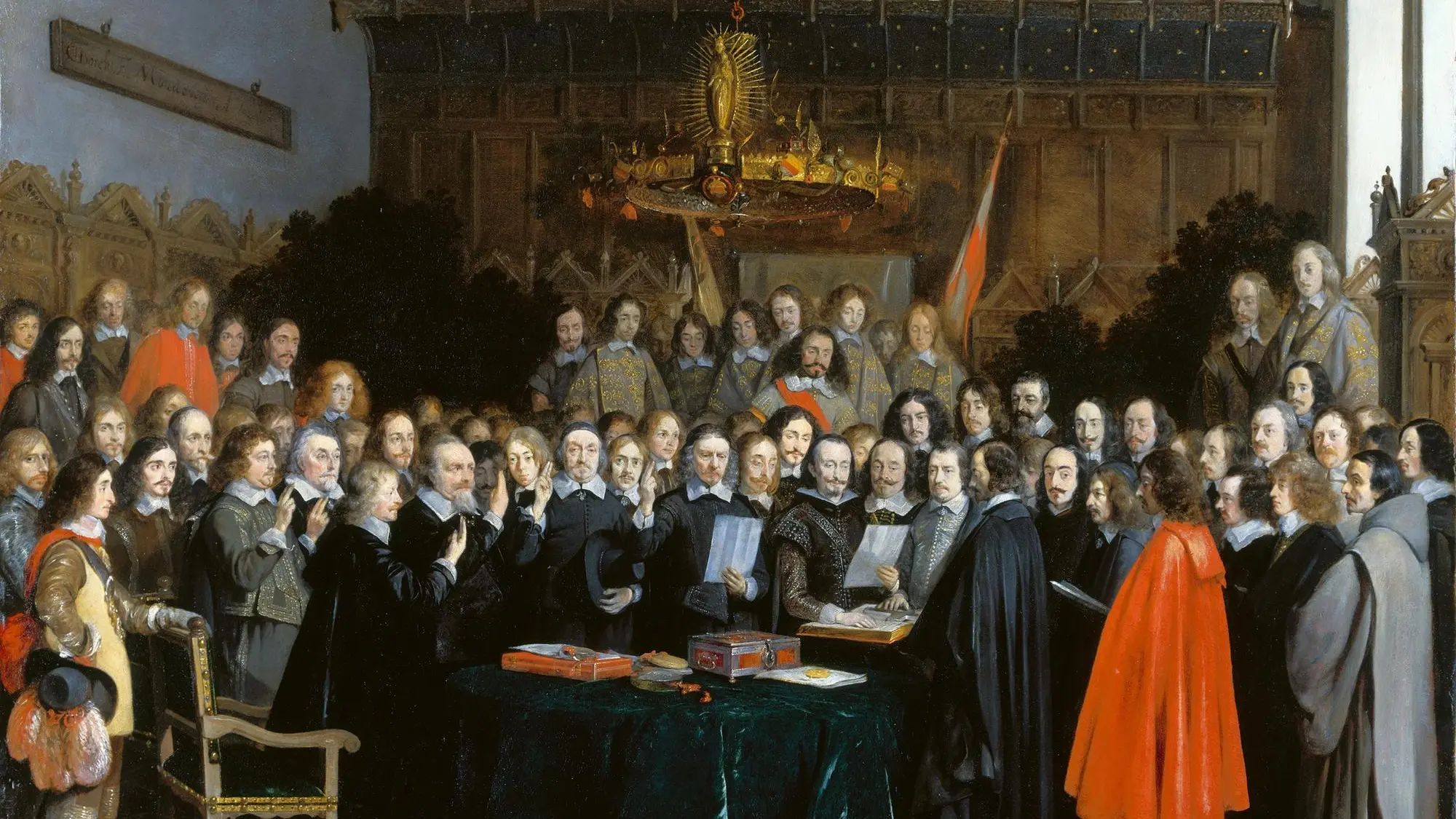


Relations between states are based primarily on dialogue, on the ability to mediate between mutual positions, even and especially when they seem irreconcilable and the clash of arms drowns out everything. Connecting entire nations therefore requires a complex art, an art that these days seems forgotten in favor of unilateral declarations, if not the most offensive tactics to humiliate the adversary. In such a context, far-reaching solutions capable of satisfying everyone's needs are almost never found. The aim is simply to strengthen one's own positions, and it is difficult to defuse international crises, which otherwise become increasingly complicated and dangerous. The situation becomes even more complicated when tensions erupt into armed conflict and the sound of weapons, at the outset, becomes the voice of reason, of common sense, the voice of that art, today too often forgotten, called diplomacy.
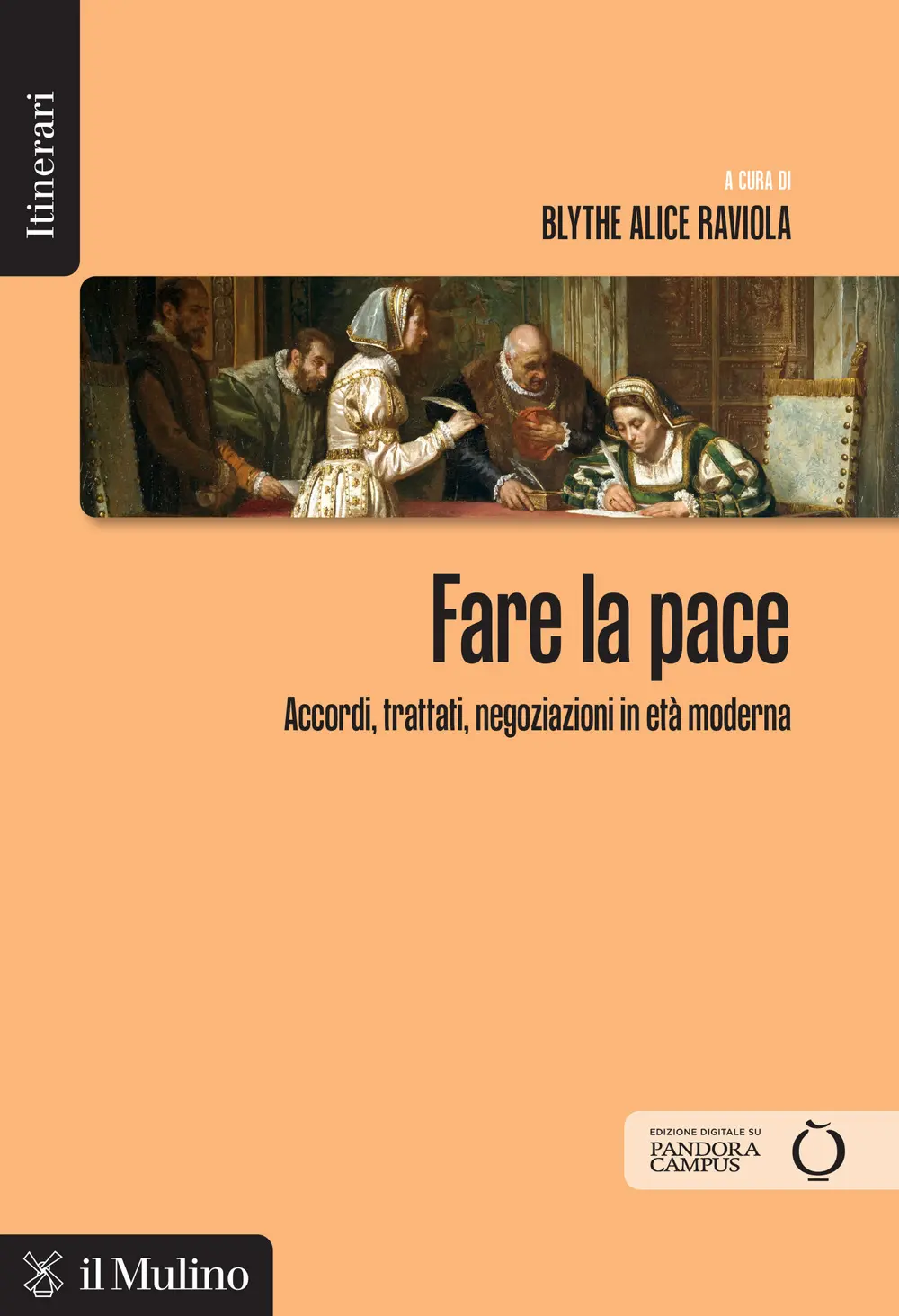
Precisely because we live in an age in which armed conflicts appear to be the hallmark and negotiations, agreements and treaties are too often reduced to chimeras, a book like Making Peace (il Mulino, 2026, pp. 332) edited by Blythe Alice Raviola, professor of Modern History and History of Modern Europe at the University of Milan , becomes important.
Through the analysis of the main treaties signed between the Peace of Lodi (1454) and the Congress of Vienna (1815), the volume reconstructs the history of European diplomacy by observing peace as a process of negotiation, mediation, and redefinition of political balances . Each of the 19 chapters, each written by a different expert, contextualizes the agreements, examines their protagonists, contents, documentary forms, and consequences, restoring the role played by diplomats, sovereigns, and institutions in the construction of Europe in the modern era.