















LEGGI IL QUOTIDIANO
LEGGI IL QUOTIDIANOOggi 11 November
L'Unione Sarda English
Abbonati
ITA|ENG|DEU|RUS|CIN
videolina Linkradiolina linkSardegna 1 linkVai online linkPBM link
Read the newspaper
L'Unione Sarda English
Subscribe
L'Unione Sarda

Iniziative Editoriali

  • Biblioteca dell'identità

Account

  • Abbonati
  • LEGGI IL QUOTIDIANO
ABBONATI A L’UNIONE SARDA

SCARICA L'APP L'UNIONE DIGITAL

Download GoogleDownload apple
videolina Linkradiolina linkVai online linkPBM link

2021 L'Unione Sarda S.p.A. Tutti i diritti riservati. É vietata la riproduzione, anche parziale e con qualsiasi mezzo, di tutti i materiali del sito. | Indirizzo della Sede Legale: Piazzetta L'Unione Sarda nr. 24 | Capitale sociale 11.400.000,00 i.v. | Codice Fiscale ed iscrizione presso l'Ufficio Registro Imprese di Cagliari 01687830925 (P.I. 02544190925) | REA: CA-136248

Cookie e Privacy PolicyModifica impostazioni privacyInformativa commentiCorporate
L'Unione Sarda

News

  • Cronaca Sardegna
  • Economia
  • Salute
  • Cultura
  • Sport
  • Gossip
  • Turismo

Servizi

  • Necrologi
  • Annunci
  • Pubblicità

Bella Sardegna

  • Spiagge

Iniziative Editoriali

  • Biblioteca dell'identità

Account

  • Abbonati
  • LEGGI IL QUOTIDIANO
ABBONATI A L’UNIONE SARDA

SCARICA L'APP L'UNIONE DIGITAL

Download GoogleDownload apple
videolina Linkradiolina linkVai online linkPBM link

2021 L'Unione Sarda S.p.A. Tutti i diritti riservati. É vietata la riproduzione, anche parziale e con qualsiasi mezzo, di tutti i materiali del sito. | Indirizzo della Sede Legale: Piazzetta L'Unione Sarda nr. 24 | Capitale sociale 11.400.000,00 i.v. | Codice Fiscale ed iscrizione presso l'Ufficio Registro Imprese di Cagliari 01687830925 (P.I. 02544190925) | REA: CA-136248

Cookie e Privacy PolicyModifica impostazioni privacyInformativa commentiCorporate
Home
A book to discover

In Luca Pelosi's book 500 questions and answers to learn about the Olympic Games

Stories and curiosities: who is the athlete with the most medals? And who was the first woman to stand on the podium?
Roberto Roveda
31 luglio 2024 alle 13:16
In Luca Pelosi's book 500 questions and answers to learn about the Olympic Games
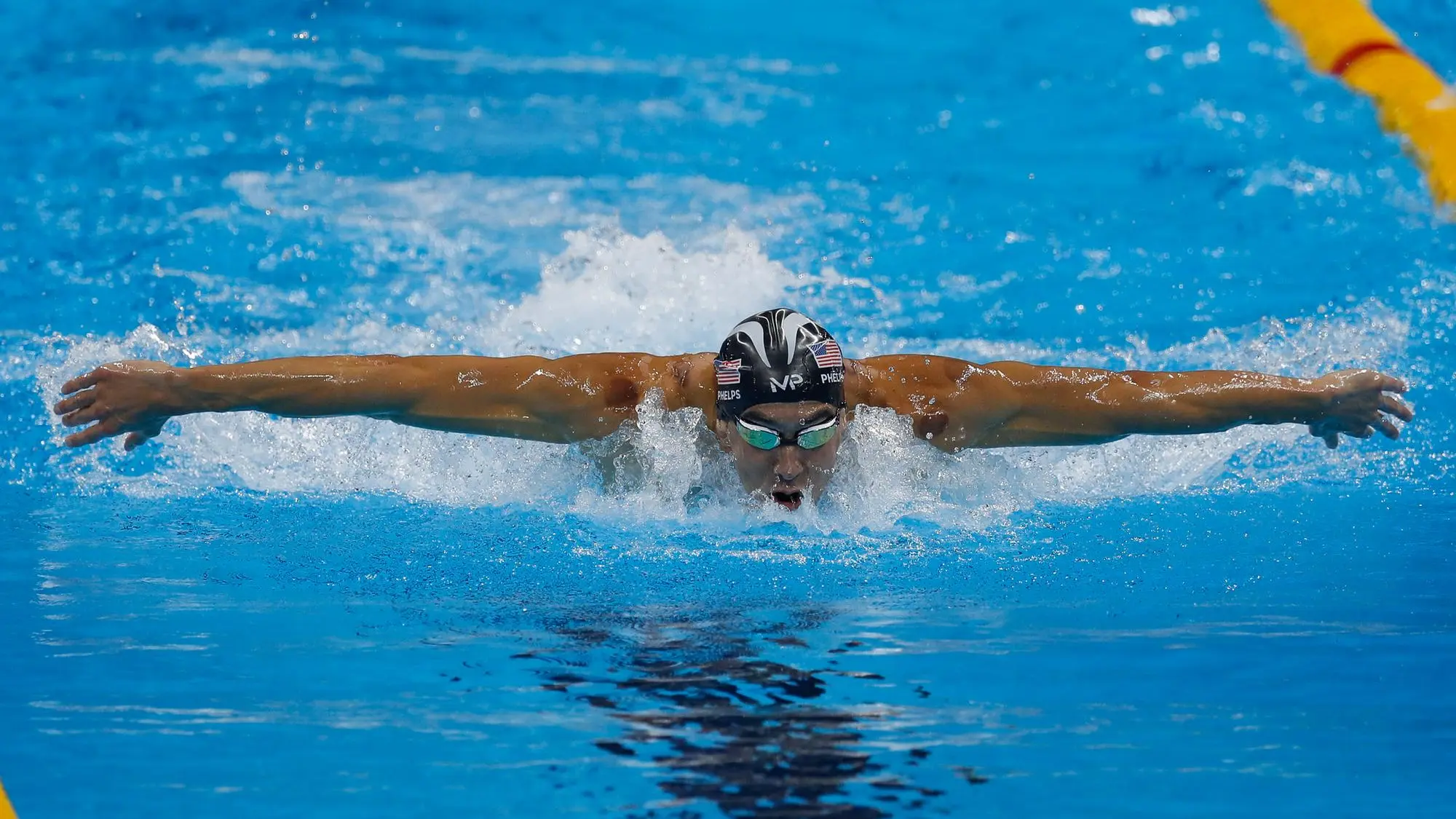
Il nuotatore americano Michael Phelps (foto Fernando Frazão)
Resta informato su WhatsApp
FacebookXLinkedInWhatsApp
Argomenti similiSLOT_11
  • Russi e russanti
    Caffè Scorretto

    Russi e russanti

    Luigi Almiento

Articoli correlati

Bomb scare, schools aren't closing. Meloni: "They want to scare us, not hit us. We'll react."
the emergency

Bomb scare, schools aren't closing. Meloni: "They want to scare us, not hit us. We'll react."

The prime minister called on the opposition and reassured them in a video on social media: "Nothing was found in the institutions. Those who send these threats want a nation that is terrified and fea…
Majority summit: "Forward with the statute, but no changes to the electoral law."
region

Majority summit: "Forward with the statute, but no changes to the electoral law."

The draft is ready and at the next session the special commission will begin examining all the articles.
Roberto Murgia
Grillo's appeal, the defense: "Evidence in our favor was ignored or undervalued, the trial must be retried."
Sassari

Grillo's appeal, the defense: "Evidence in our favor was ignored or undervalued, the trial must be retried."

In the grounds of appeal, a flurry of objections raised by the lawyers to the regularity of the conviction sentence of the Tempio Tribunal
Andrea Busia
Girasole: Mosquitoes test positive for the Usutu virus: Mayor's order comes into effect.
the alarm

Girasole: Mosquitoes test positive for the Usutu virus: Mayor's order comes into effect.

The verdict from the Teramo zooprophylactic institute is the first case in the municipality.
Roberto Secci
The eighteenth edition of the Carbonia Film Festival kicks off
cinema

The eighteenth edition of the Carbonia Film Festival kicks off

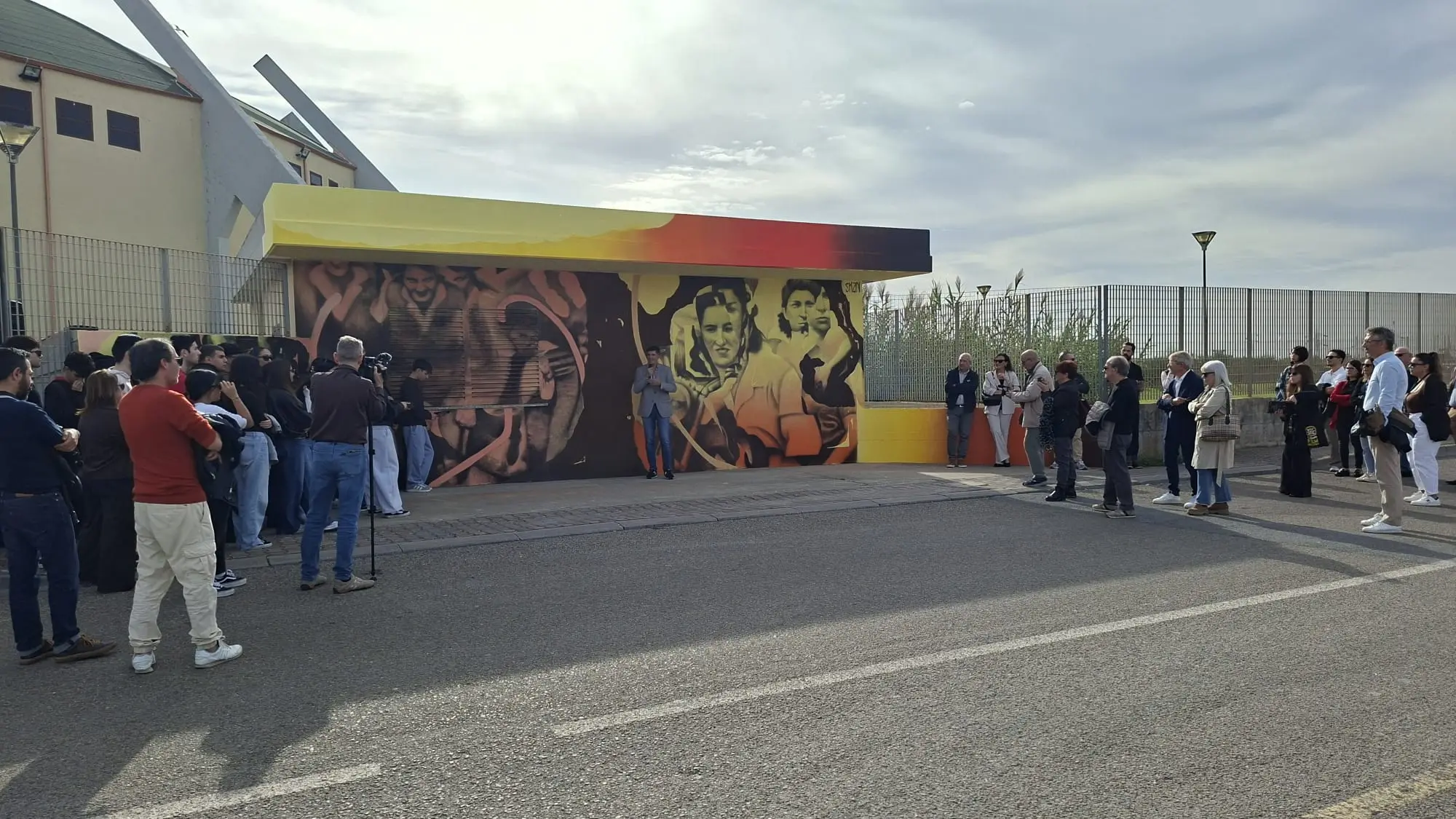
This morning, the Skan mural was unveiled at the ticket office, and the festival officially opens this afternoon. The event will get into full swing in the coming days.
MARCO CORRIAS
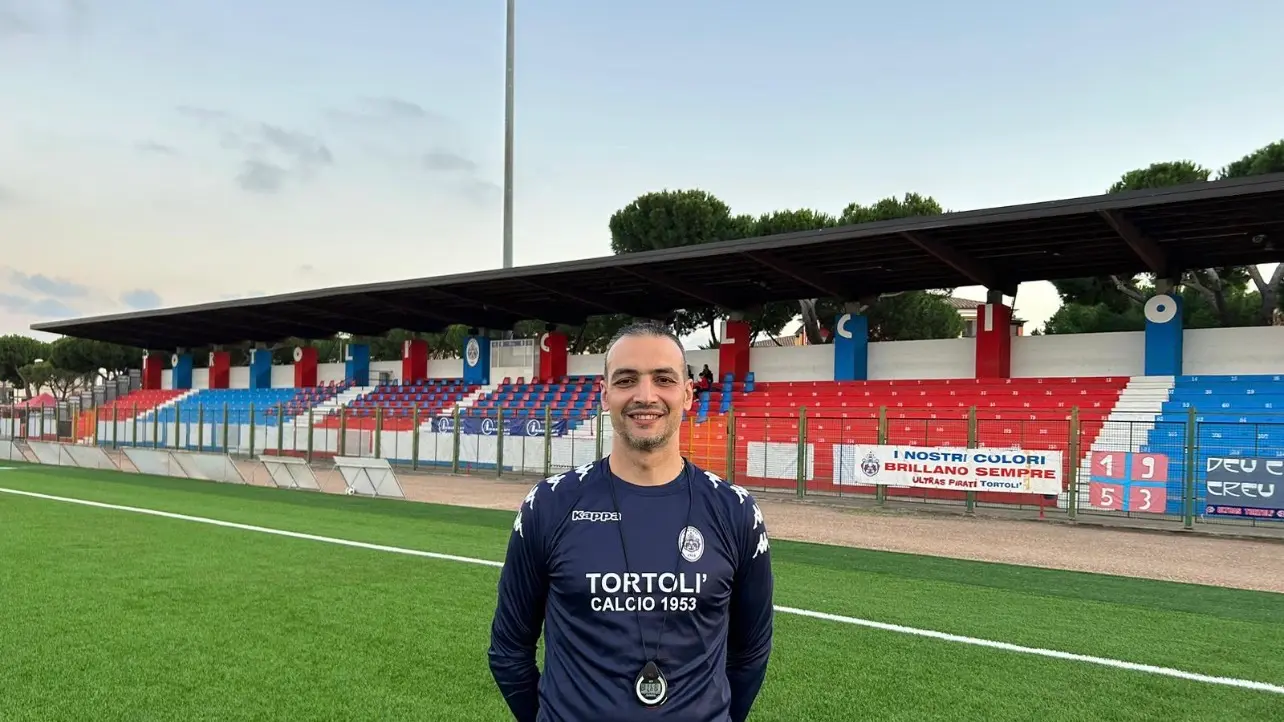
Salerno, a new adventure in the Eccellenza league: he will coach the Tortolì women's team.
soccer

Salerno, a new adventure in the Eccellenza league: he will coach the Tortolì women's team.

The 42-year-old coach returns to the bench, in a completely different context than those he has faced so far
Roberto Secci
Kimi Antonelli with his tricolor hair, Mercedes: "No words."
the champion

Kimi Antonelli with his tricolor hair, Mercedes: "No words."

In the video posted by the team, Kimi arrives at the headquarters, Wolff is incredulous: "Did you even pay?"
Costa Smeralda, the "emery gang" and thefts from dream villas: crimes prescribed after 16 years
Olbia

Costa Smeralda, the "emery gang" and thefts from dream villas: crimes prescribed after 16 years

In 2010, raids took place in Porto Cervo and Olbia, with the villa of an undersecretary of Labour and the residence of a Roman countess also targeted.
Andrea Busia
Ciro Grillo trial: appeal faces immediate risk of postponement
court

Ciro Grillo trial: appeal faces immediate risk of postponement

The defense: "A judge's signature is missing; the first-instance ruling must be retried."

Symbol par excellence of solidarity between peoples and of sport that transcends all borders, the Olympic Games are the moment in which we all find ourselves together, with bated breath, cheering for the greatest athletes around. The Olympics remain, in fact, a collective rite, even if almost 3000 years have passed since their birth in ancient Greece and one hundred and thirty years separate us from the now distant 1896 when the event was reborn on the initiative of Pierre de Coubertin, a French baron in love with classical world.

In ancient times the Olympics, born in 776 BC, were an event deeply linked to religion, so much so that violating the rules was considered a sacrilege, while a victory was interpreted as a sign of divine predilection. The importance of the games grew to such an extent that starting from the 4th century BC the Olympics were adopted as the basic criterion for dating the years. The Olympics were thus repeated 294 times until the year 393 AD, when they were suppressed by the Roman emperor Theodosius I. In modern times they have lost the character of a sacred event, becoming the most important sporting event in the world. Today they are still the moment in which an athlete can change her competitive history and her life. They are business, entertainment and propaganda for the cities that host them. They are still today a moment of self-representation for the organizing nation and of demonstration of "strength" - fortunately only athletics - for the participating States.

Above all, the Olympics offer emotions, unforgettable moments, heroes and heroines, positive and also negative characters. The journalist Luca Pelosi demonstrates this to us with "The great book of quizzes on the Olympics" (Newton Compton Editori, 2024, Euro 12.90, pp. 256. Also Ebook), a volume which through 500 questions and answers reveals the secrets of the Olympic Games putting ourselves to the test. Who is the athlete with the most medals in the history of the Olympics? And who was the first woman to stand on the podium? What was the “greatest basketball game in history”? And the most sensational disqualification of the games?

For the first question we give you help. The athlete who has won the most medals at the Games is the American swimmer Michael Phelps, capable of obtaining twenty-three golds, three silvers and two bronzes in four Olympic editions between 2004 and 2016. A number of successes as impressive as the many stories are surprising evoked through the quizzes in the volume. The stories of the competing athletes and the disciplines involved speak, in fact, of immortal themes: wounded pride and great revenge, friendships and rivalries, unmasked cheating and fairytale love stories. They talk about defeats and triumphs capable of creating myths.

We like to remember one of these stories, that of the Romanian gymnast Nadia Comaneci, the first athlete to obtain a full ten in the artistic gymnastics competitions at the Olympics. It was 1976, the Games were held in Montreal and the images arrived via satellite, a little grainy on the first color televisions. They showed a slender 14-year-old, wearing a pale onesie and a red and white ribbon in his hair, capable of breathtaking acrobatics. Almost every evening, late at night due to the time difference with Canada, we had become accustomed to seeing her greeting her, a little awkwardly and with a faint smile, from the top step of the podium. At the bottom of the screen a superimposed writing, trembling like the images: “Nadia Comaneci, Romania, Gold Medalist”.

Then the replays of his evolutions usually scrolled through, repeated ten, a hundred, a thousand times, with shots from the front, from behind, from above, from below, slowed down and sped up. Those evolutions that had convinced the judges to give Nadia the maximum score, “10”, after the exercise on the uneven bars, and it was the first time it had happened during an Olympics. The ones who paid the price for this "impossible perfection" were, first of all, the electronic scoreboards of the Montreal Forum where the artistic gymnastics competitions were held. They were, in fact, designed to score a maximum of 9.99 and the perfect score practically sent them into a tailspin. Let's face it: only the Olympics can still tell us stories that are a bit mythical, a bit magical like this one.

<p>The cover</p>

© All rights reserved