

The cuts to school staff envisaged in the Budget Law appear destined to be scrapped. Following union protests, opposition positions, and concerns expressed by the education sector, the government has announced the withdrawal of the measure, which would have resulted in the reduction of 5,000 teaching positions and 2,000 technical-administrative staff (ATA) . This decision marks a significant step in the debate over the budget and has been welcomed by Education Minister Giuseppe Valditara and trade unions, while the opposition is demanding concrete guarantees.
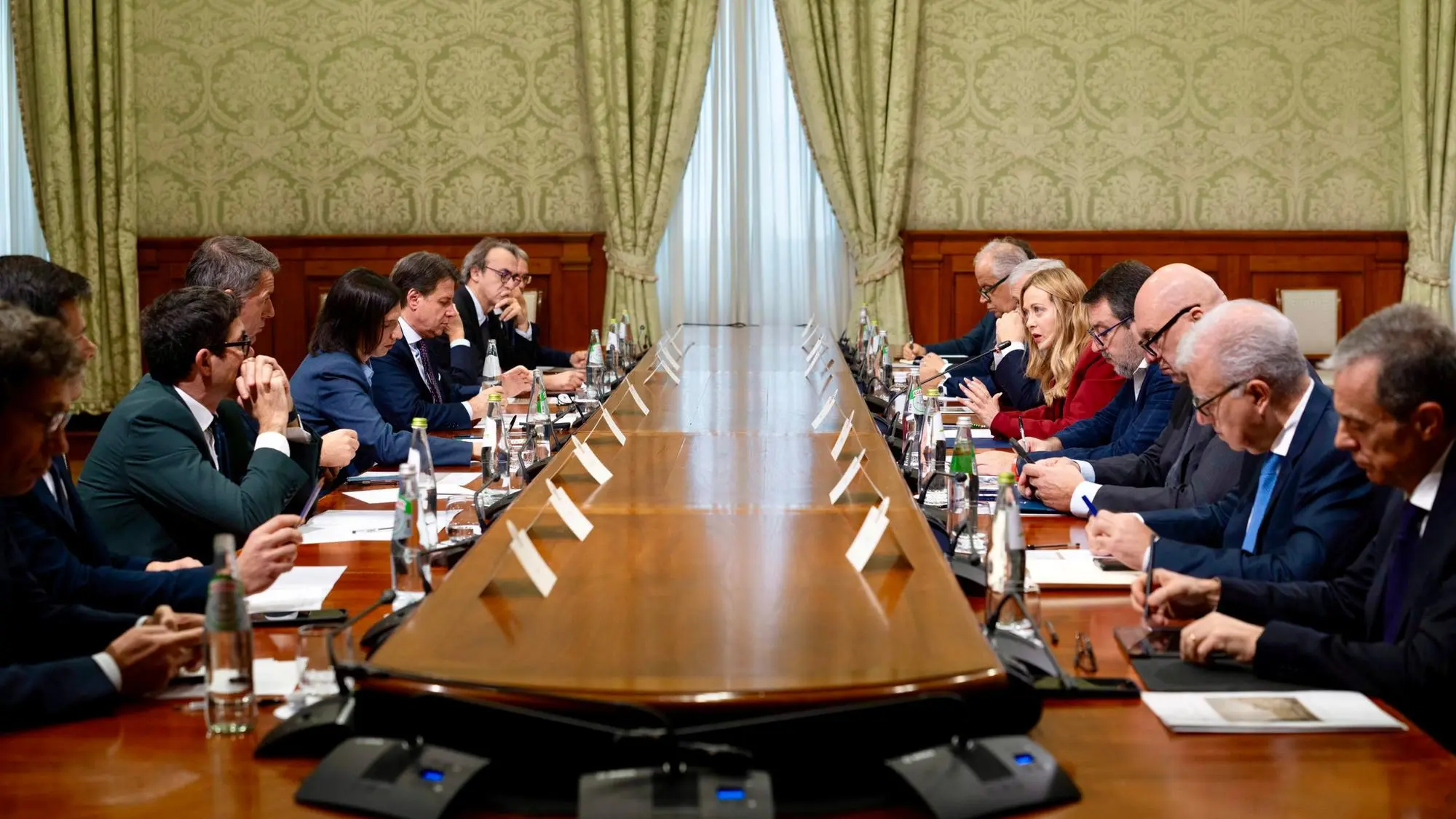
The first comment came from Education Minister Giuseppe Valditara himself, who expressed a "very positive assessment of the overcoming of the looming school staff cuts." This confirmation came at the end of the government and union meeting on the budget at Palazzo Chigi . "There's some good news: the school cuts are being scrapped. The government has announced it will withdraw the planned measures," said UIL Secretary General PierPaolo Bombardieri, leaving the meeting. This statement was also echoed by CISL Secretary General Daniela Fumarola , who described it as a significant achievement: "The problem we raised appears to have been resolved. It's a request from CISL that we believe has been accepted and that reassures us, because in such a challenging time, it's crucial to send a strong message to schools, an educational agency charged with caring for the future of our country."
Democratic Party Secretary Elly Schlein was more cautious, urging people not to consider the matter over yet. "For now, I've only heard the minister's statements: we're waiting for action," she said on the sidelines of the Social Economy Festival in Forlì, recalling the protests against what she called "the wicked idea of cutting 5,000 teachers and 2,000 technical-administrative staff, following the cuts already made last year, again in the education sector."
The Democratic Party leader credits the protests and lobbying efforts conducted alongside the education community, but broadens the discussion to include the overall conditions of public schools and the resources that, in her view, continue to be lacking. "A country that doesn't believe in its schools is a country that doesn't believe in its future," Schlein emphasizes, highlighting as priorities improving teachers' salaries, among the lowest paid in Europe, and a major investment plan for school buildings. "Schools don't need roofs to chase away foreign children; they need roofs that won't collapse and adequate structures, including seismic safety," she states, recounting having recently visited schools that still don't meet earthquake safety standards. "Ensuring student safety is the state's responsibility, and therefore much more effort must be made in this regard." Among the necessary interventions, Schlein also calls for strengthening nursery schools, considered essential for combating educational poverty and inequality from an early age.