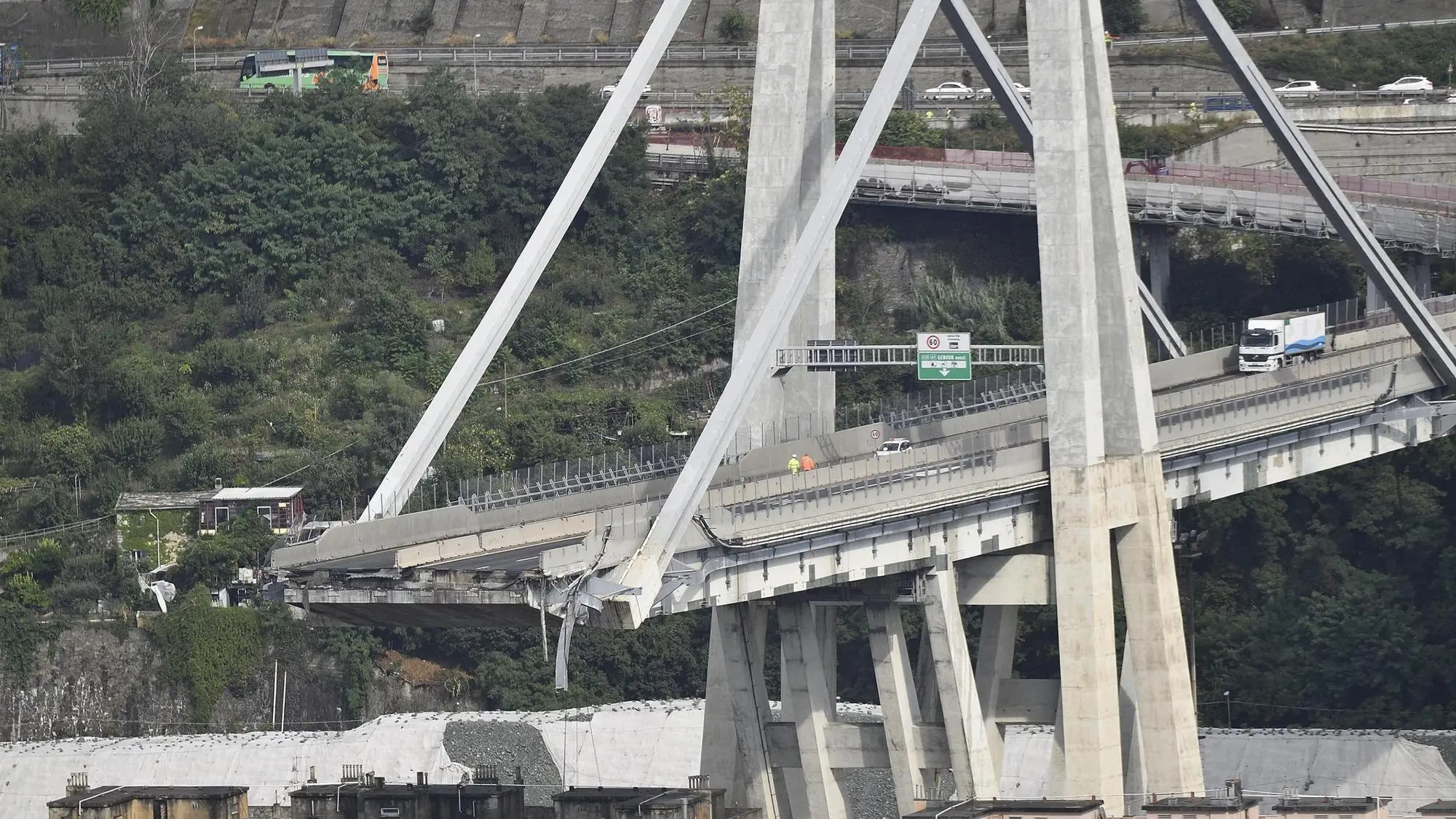


The President of the Republic, Sergio Mattarella, signed the bill (approved by the Chambers on March 20) that compensates the victims of the collapse of the Morandi bridge in Genoa but noted some "discriminations" in the provision that will need to be remedied. "I cannot shirk the duty to point out certain points that do not appear to be in line with the principles and norms of the Constitution," wrote Mattarella in the letter sent to the presidents of the Chamber and Senate, Lorenzo Fontana and Ignazio La Russa, and to Prime Minister Giorgia Meloni.
«First of all, reservations arise - says the Head of State - about the limitation of the benefits provided to the sole hypothesis of "victims of harmful events resulting from total or partial collapses of road or motorway infrastructures of national importance". Apart from the interpretative uncertainty of the category of infrastructure "of national importance" which is not easy to determine, the exclusion of similar benefits in the case of victims of collapses of other roads is not reasonable and conflicts with the principle of equality under Article 3 of the Constitution ».
"The conformity with the principle of equality of the decision to limit the benefits to cases of road collapses also appears at least highly doubtful - he continues - Unfortunately, in the past, we have recorded victims caused by events related to structures of another nature, in particular the collapse of schools, first of all the case of the collapse of an elementary school with the death of many children present in the classrooms with their teachers. It is therefore not clear why every other similar unfortunate event is not taken into consideration: just think of hospitals, structures where sporting events or shows are held, structures of another kind".
But not only that, Mattarella also focuses on the recipients of the compensation: « In addition to these general observations, I would like to draw attention to some specific provisions of the law. With regard to Article 2, paragraph 4, letter b), I would like to underline that - despite the reference to "children, in the absence of a surviving spouse" - ».