











LEGGI IL QUOTIDIANO
LEGGI IL QUOTIDIANOOggi 13 November
L'Unione Sarda English
Abbonati
ITA|ENG|DEU|RUS|CIN
videolina Linkradiolina linkSardegna 1 linkVai online linkPBM link
Read the newspaper
L'Unione Sarda English
Subscribe
L'Unione Sarda

Iniziative Editoriali

  • Biblioteca dell'identità

Account

  • Abbonati
  • LEGGI IL QUOTIDIANO
ABBONATI A L’UNIONE SARDA

SCARICA L'APP L'UNIONE DIGITAL

Download GoogleDownload apple
videolina Linkradiolina linkVai online linkPBM link

2021 L'Unione Sarda S.p.A. Tutti i diritti riservati. É vietata la riproduzione, anche parziale e con qualsiasi mezzo, di tutti i materiali del sito. | Indirizzo della Sede Legale: Piazzetta L'Unione Sarda nr. 24 | Capitale sociale 11.400.000,00 i.v. | Codice Fiscale ed iscrizione presso l'Ufficio Registro Imprese di Cagliari 01687830925 (P.I. 02544190925) | REA: CA-136248

Cookie e Privacy PolicyModifica impostazioni privacyInformativa commentiCorporate
L'Unione Sarda

News

  • Cronaca Sardegna
  • Economia
  • Salute
  • Cultura
  • Sport
  • Gossip
  • Turismo

Servizi

  • Necrologi
  • Annunci
  • Pubblicità
  • Contatti

Bella Sardegna

  • Spiagge

Iniziative Editoriali

  • Biblioteca dell'identità

Account

  • Abbonati
  • LEGGI IL QUOTIDIANO
ABBONATI A L’UNIONE SARDA

SCARICA L'APP L'UNIONE DIGITAL

Download GoogleDownload apple
videolina Linkradiolina linkVai online linkPBM link

2021 L'Unione Sarda S.p.A. Tutti i diritti riservati. É vietata la riproduzione, anche parziale e con qualsiasi mezzo, di tutti i materiali del sito. | Indirizzo della Sede Legale: Piazzetta L'Unione Sarda nr. 24 | Capitale sociale 11.400.000,00 i.v. | Codice Fiscale ed iscrizione presso l'Ufficio Registro Imprese di Cagliari 01687830925 (P.I. 02544190925) | REA: CA-136248

Cookie e Privacy PolicyModifica impostazioni privacyInformativa commentiCorporate
HomeItaly
The point of view

Meloni's third budget package: a measure neither good nor bad?

The risks of a blanket that is too short for citizens struggling with rising prices and inflation
17 novembre 2025 alle 13:37
Meloni's third budget package: a measure neither good nor bad?
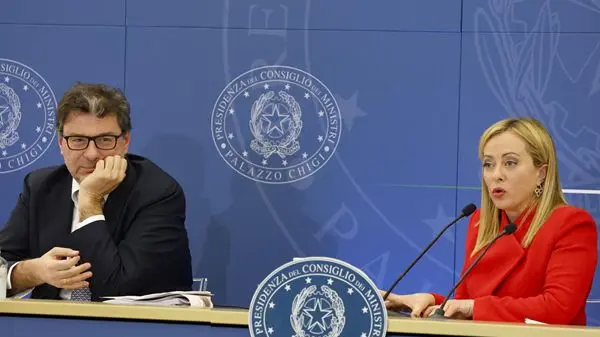
Il ministro Giorgetti e la premier Meloni (foto Ansa)
Resta informato su WhatsApp
FacebookXLinkedInWhatsApp
Argomenti similiSLOT_15
  • Dal Premio Betilo all’archeologia del paesaggio, la prima mattina dell’Expo in diretta da Barumini
    LIVE

    Dal Premio Betilo all’archeologia del paesaggio, la prima mattina dell’Expo in diretta da Barumini

  • Sull’attenti, Pete
Caffè Scorretto

Sull’attenti, Pete

Celestino Tabasso

Articoli correlati

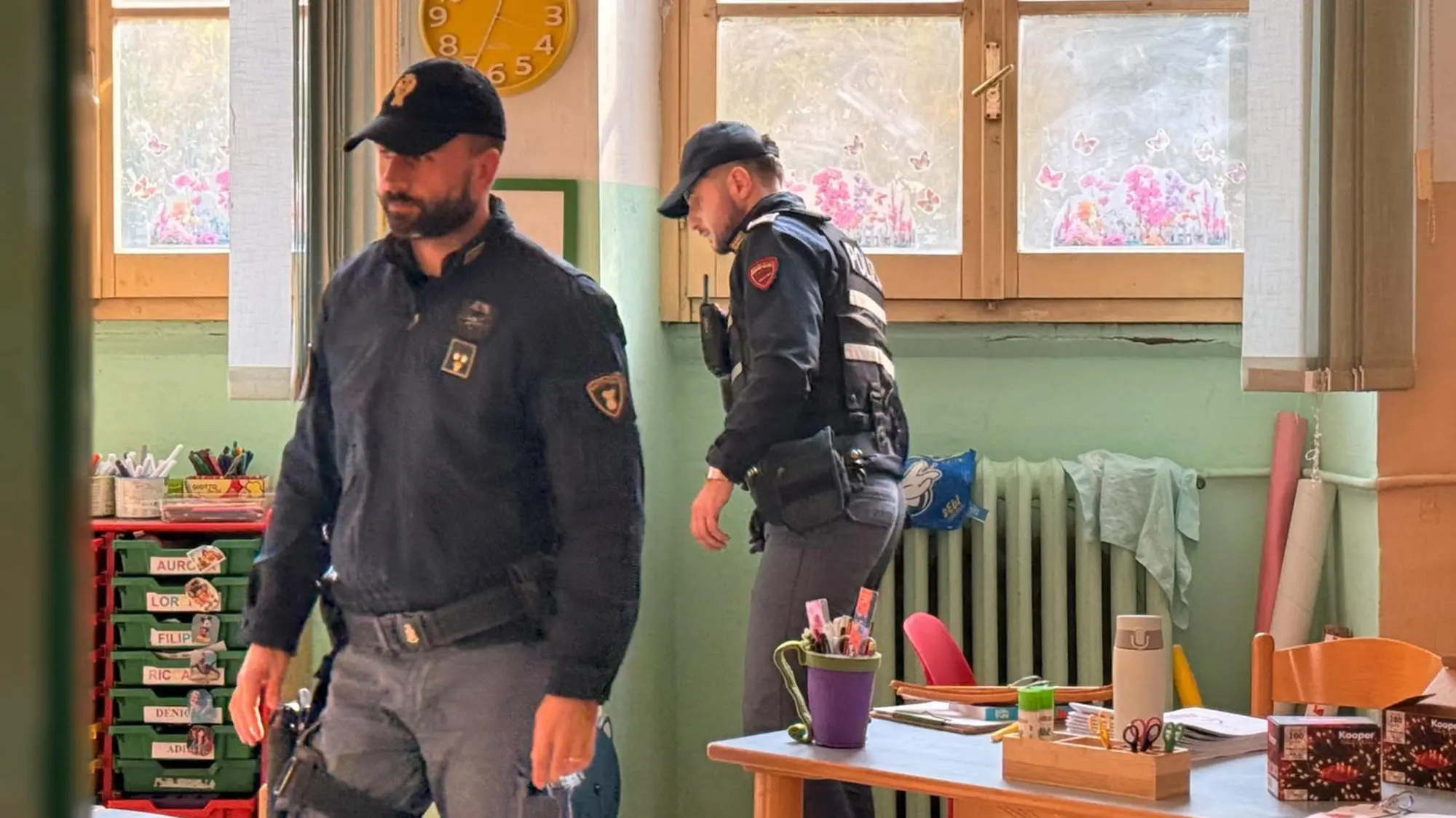
"Bombs at School": New emails to 3,778 schools, only 77 evacuated.
the alarm

"Bombs at School": New emails to 3,778 schools, only 77 evacuated.

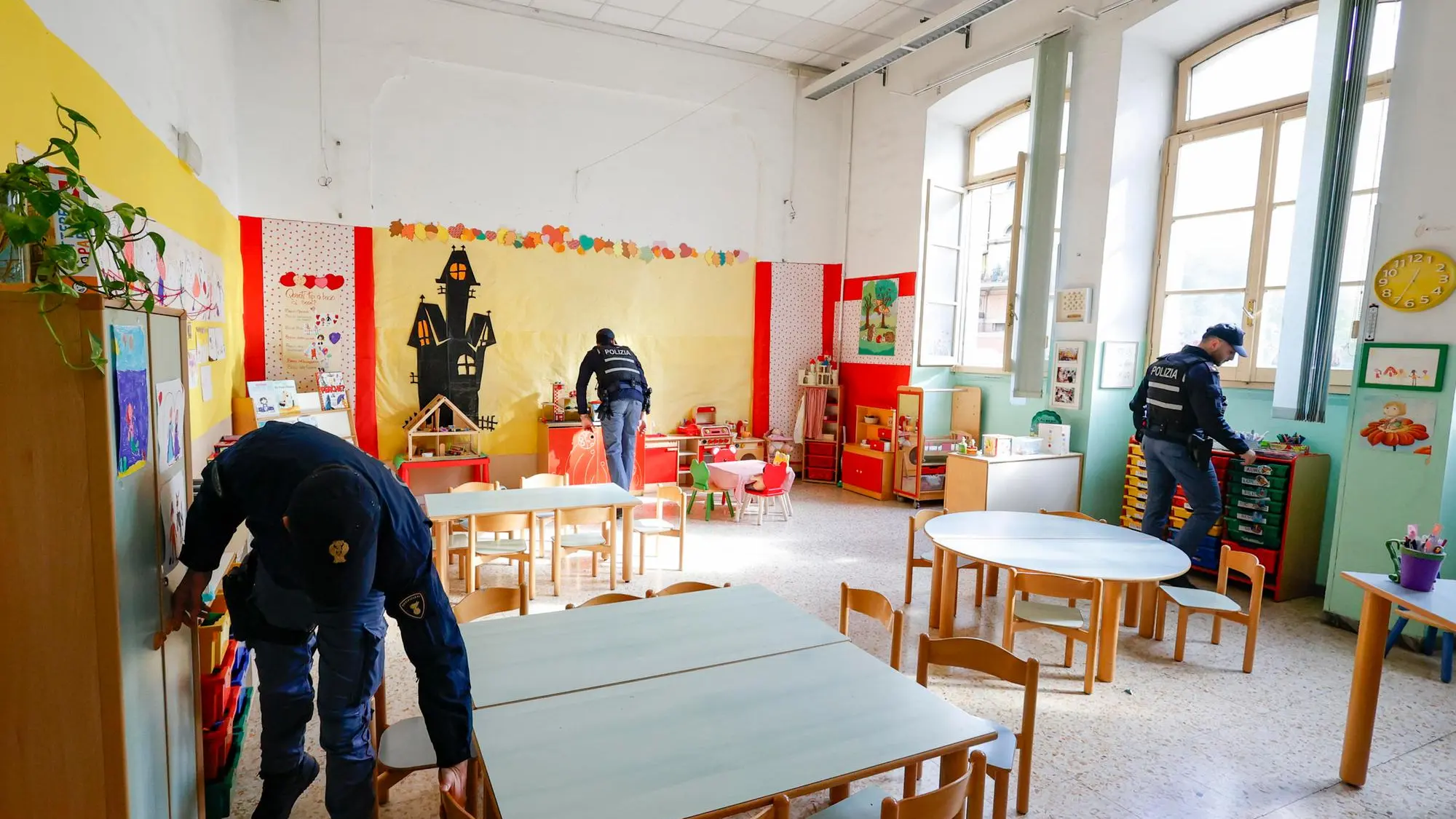
Palazzo Chigi: "The instructions to prefects and principals have worked. We're working to prevent unfounded threats from blocking essential services."
Tony Capuozzo dies at 77 after recently revealing he had cancer.
mourning

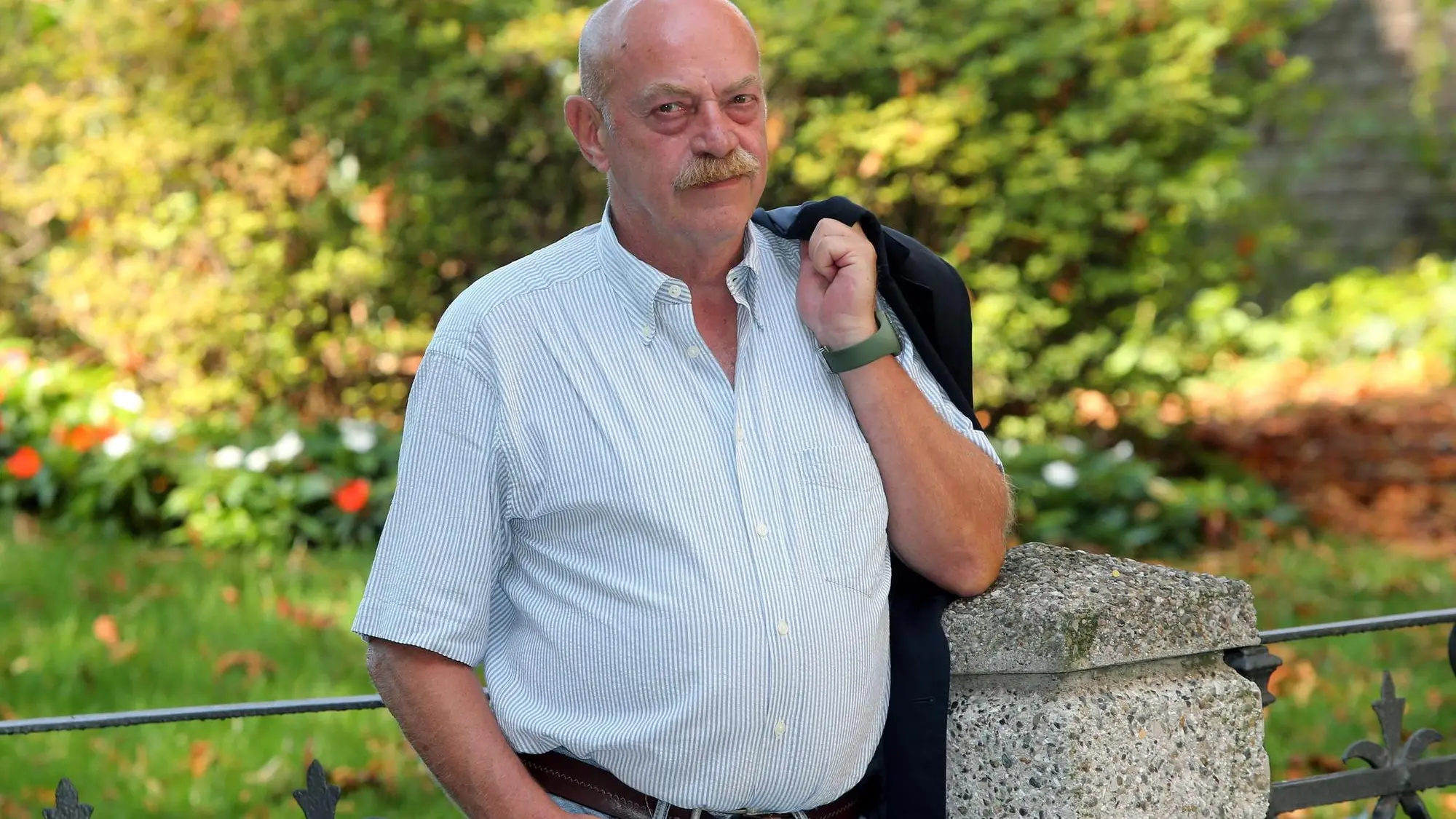
Tony Capuozzo dies at 77 after recently revealing he had cancer.

An old-school war reporter, he covered conflicts in Somalia, Yugoslavia, the Middle East and Afghanistan for Mediaset.
Sempio, preliminary hearing set for February 25th: defense ready to fight
Garlasco

Sempio, preliminary hearing set for February 25th: defense ready to fight

The lawyers of the clerk believe that their client cannot be tried for the same crime for which Stasi was found to be the sole culprit.
Il protocollo: «Le evacuazioni non le decidono i presidi ma i prefetti»
Chigi Palace

Il protocollo: «Le evacuazioni non le decidono i presidi ma i prefetti»

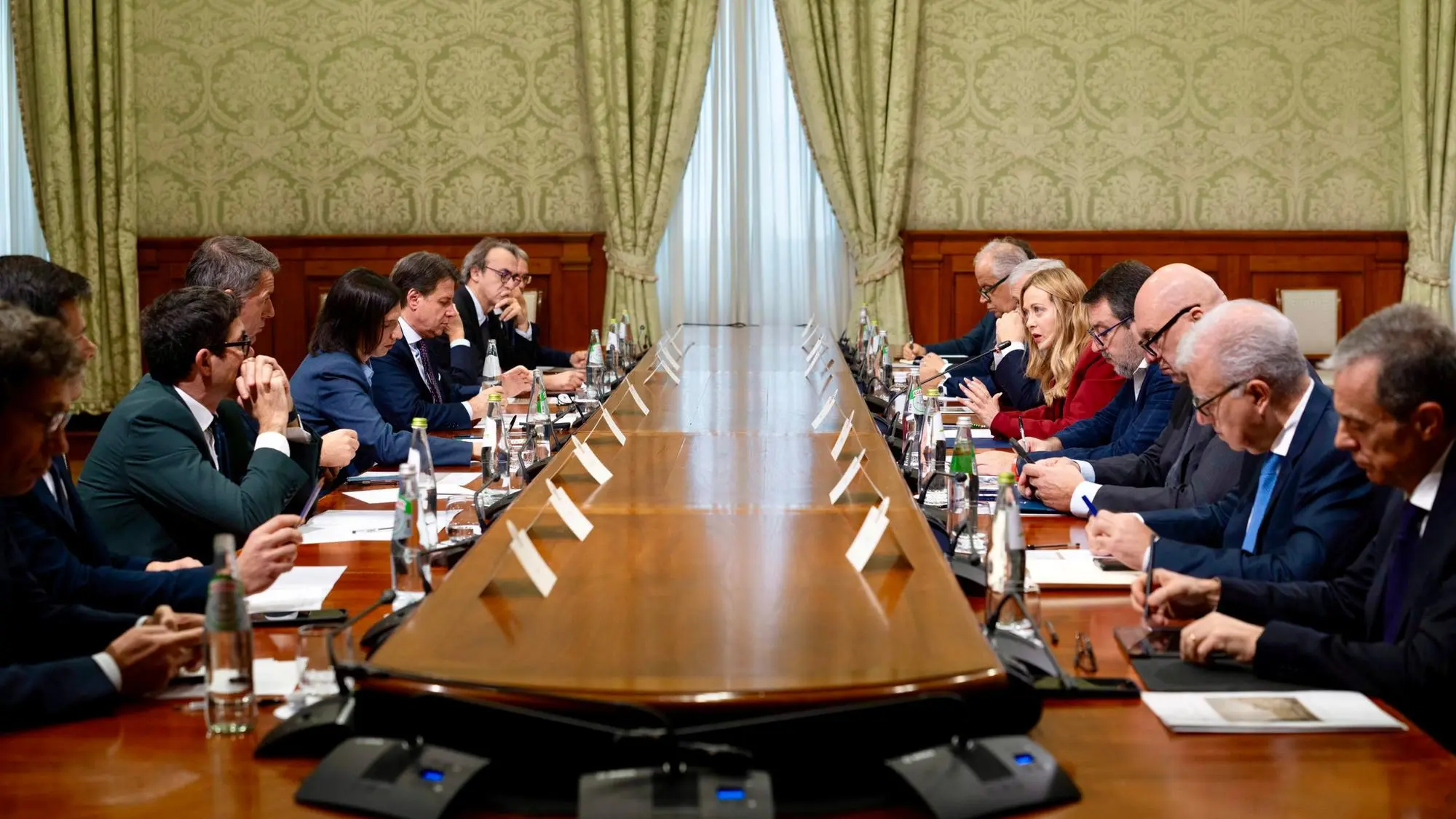
The Interministerial Committee for Security has been convened this afternoon. Schlein: "No to blank delegations."
A new bomb threat has been reported in 1,803 Italian schools: emails sent from various addresses with domains in the Philippines.
The threat

A new bomb threat has been reported in 1,803 Italian schools: emails sent from various addresses with domains in the Philippines.

Sardinia has also been hit, and a circular has been issued to school principals: "There's no real danger, no evacuations."
Diesel smuggling: Gang busted, €7.5 million seized
The operation

Diesel smuggling: Gang busted, €7.5 million seized

The Guardia di Finanza dismantles a network accused of excise duty fraud: over 13.5 million liters placed on the market between 2025 and 2026
Ryanair CEO Wilson announces: "We'll raise prices next summer."
Transportation

Ryanair CEO Wilson announces: "We'll raise prices next summer."

«This year we had fuel contracts signed before the crisis in the Middle East, but those hedges expire and costs increase»
Rinaldi murder: shocking confession from partner in court after months: "It was me."
The turning point

Rinaldi murder: shocking confession from partner in court after months: "It was me."

The woman was found hanged in her home, the man had always denied it: "I didn't want to pay for something I didn't want to do."
An earthquake-damaged building collapses during renovations, killing two workers.
the tragedy

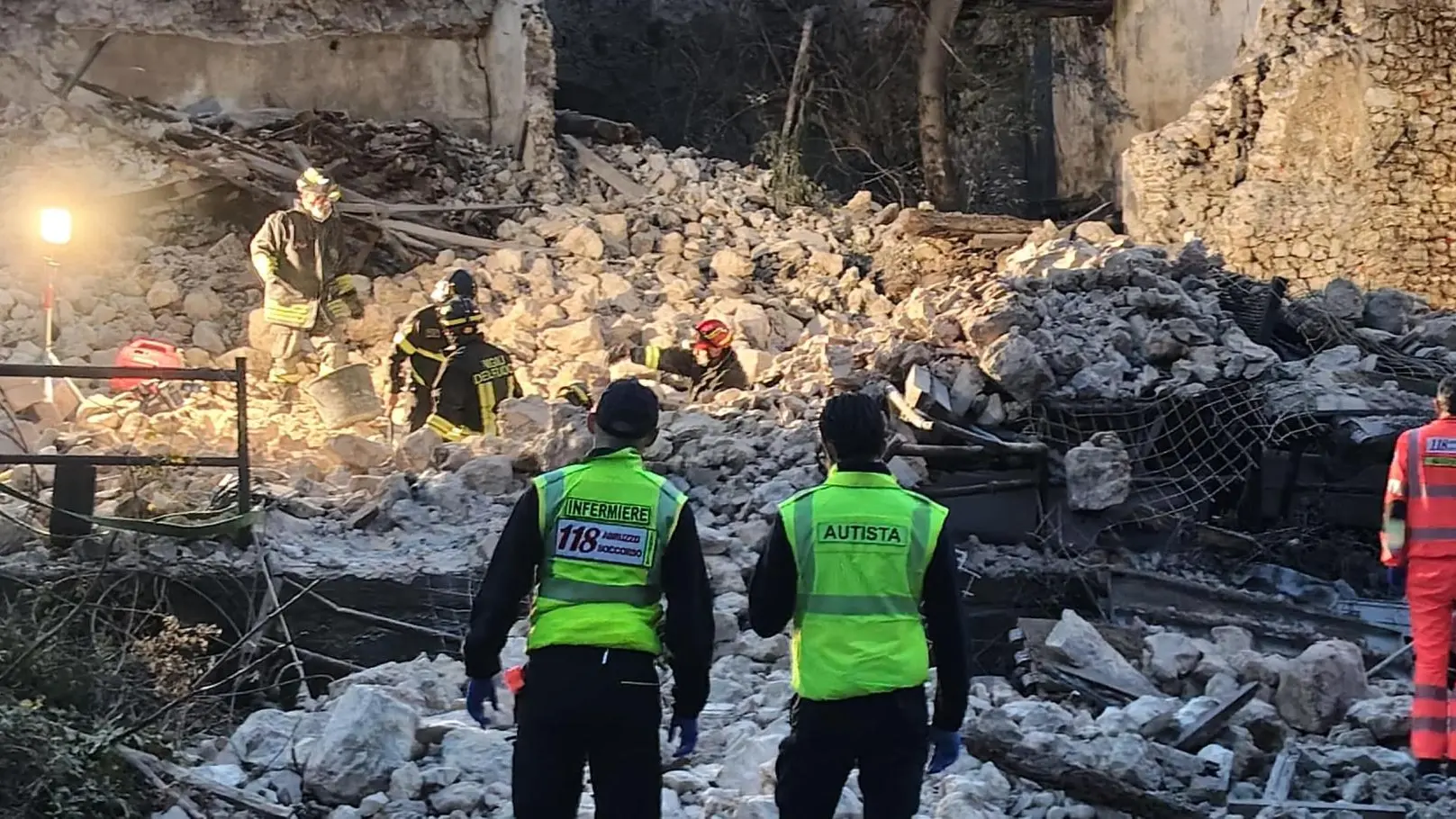
An earthquake-damaged building collapses during renovations, killing two workers.

Workplace tragedy in San Pio di Fontecchio, in the L'Aquila area: a third man seriously injured.

The 2026 Budget Law, the third, to be precise, of the Meloni government, has not failed to spark controversy and criticism on various grounds, not least that it presents itself (at least this is the impression one gets) in substantial continuity with the policies of the previous Draghi government. Several factors potentially impact the government's decisions, including, for example, the potential repercussions of the Middle East and Russian-Ukrainian conflicts.

The budget law, moreover, is being introduced in the midst of a particularly complex economic and, consequently, productive situation, especially due to the severe effects of Donald Trump's tariffs, which appear to have already had a negative impact on exports. In essence, to put it more clearly, and considering those measures presented as favorable, but whose actual validity will be assessed at a later stage, the budget appears to include a reduction in the tax burden on the most vulnerable and the middle class, as well as incentives for births.

But can it really be considered satisfactory? Or is it a poor budget, conditioned by the need to conclude the European Infringement Procedure on the Stability Pact, which had been suspended during the pandemic, by the first few months of 2026? Is it a budget that, even if only modestly, contains favorable measures for the wealthier classes? Is it a budget that proposes policies to support growth, or is it, all things considered, a budget marked by inertia? Perhaps it would be contradictory to ask whether this Budget Law, about which many seem to have harbored comforting expectations, is instead characterized by the inclusion of certain measures of a somewhat regressive nature that would appear to limit and diminish its medium- and long-term prospects.

Put differently, the so-called fifth amnesty for tax bills would seem to be of dubious practical utility. It would appear to provide for deferred payments of up to nine years, but its favorable effects on state coffers cannot currently be estimated from an accounting perspective. Rather, the risk would appear to be that such measures would result in a contraction in state revenues, impacting and reducing social, civil, welfare, and healthcare services. Perhaps, in the current historical moment, it would have been more useful and restorative to introduce a minimum wage, which would have allowed workers to cope with rising inflation and rising prices for basic necessities. It would probably have been more useful to also focus the budget on the aforementioned measure, certainly long-awaited and far-reaching, which would have placed a significant limit on low wages. In this context, the so-called wealth tax represents a particularly divisive topic of discussion, as it is a so-called extraordinary fiscal policy instrument, potentially resorted to in times of significant public finance pressure. Even considering everything, it would be a rather thorny measure, even if taken for granted, which would impact wealth already subject to taxation, amounting to double taxation. Moreover, as noted by many, although there is no general wealth tax in Italy, comparable forms of taxation appear to exist, such as the IMU (Property Tax) and the Inheritance and Gift Tax. Although this issue has resurfaced in public debate, it still appears impractical to date, especially given relatively recent precedents, such as those attributable to the Amato Government, during which, in the early 1990s, the extraordinary levy on current accounts was introduced, which was met with a rather negative reception by the public.

As things stand, the current situation appears to be too short a blanket to meet the daily needs of citizens and taxpayers grappling with rising consumer prices and inflation.

Giuseppina Di Salvatore – Lawyer, Nuoro

© All rights reserved