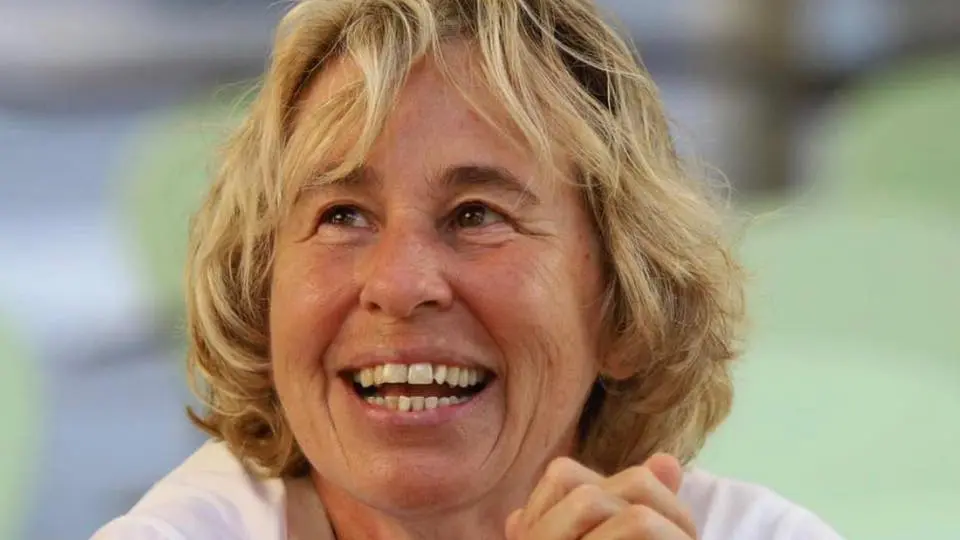


While in recent days Antonio Tajani, forced to fill his agenda with ever-new international crises, jokingly called himself the most unlucky foreign minister in history, Stefania Craxi would never give in to such a fit of self-pity. After all, "a Craxi doesn't cry," as her father Bettino once told her, and as she recounts in "In the Shadow of History," the memoir she presented recently in Cabras, at the literary festival of archaeology. But while he remains dry-eyed, Craxi knows enough about foreign policy—undersecretary in the Berlusconi IV government, he now chairs the Senate's third committee—to understand that "we are going through the most dangerous period for humanity since the Second World War, with the international system searching for a new order that is not yet in sight, and Western democracies exposing their fragility and clearly under attack. Unfortunately, we've reached this moment—and I'm speaking especially of the West, and Europe in particular—very unprepared. We didn't see it coming, as they say these days.
Why?
Because in recent years we've been lulled by the dream of globalist ideology, which told us that history was coming to an end, that there would be peace forever, that politics was no longer necessary, that peoples, nations, and borders no longer existed. Well, it seems to me that history has continued to run its course, that politics is useful, that the market, left to its own devices, has widened the gap of inequality, and that people exist, even when they are poor, derelict, and voiceless. Nations exist, with their burden of historical wounds, and borders exist. The only thing that hasn't found borders is money.
What role can Italy play on such a heated chessboard?
Italy is a medium-sized regional power to which history and geography assign a Mediterranean leadership role. That said, no country today can think of acting alone, and Italy acts within the context of its historic alliances: I'm talking about a Europe that must learn to speak with one voice in foreign policy and therefore adopt a unified defense policy, and naturally it must do so within the context of NATO, the alliance with our transatlantic partner, which is an alliance of values even more than a military one.