

As we approach the thirty-fourth anniversary of the Via D'Amelio massacre, it seems appropriate to offer some considerations that, while necessarily based on a cautious reading of the events, aim to contribute to a more orderly and informed reconstruction of one of the most dramatic episodes in the history of the Republic. In this perspective, the visit to Palermo by Prime Minister Giorgia Meloni, accompanied by a significant government delegation, which took place just days before the official celebrations, deserves to be welcomed as a sign of renewed institutional attention to the fight against mafia crime. This is particularly significant at a time when the city appears to be experiencing worrying signs of a resurgence of the mafia phenomenon, fueled both by traditional territorial control dynamics and by renewed criminal alliances between the Cosa Nostra and forms of common crime rooted in the most vulnerable and marginalized neighborhoods.
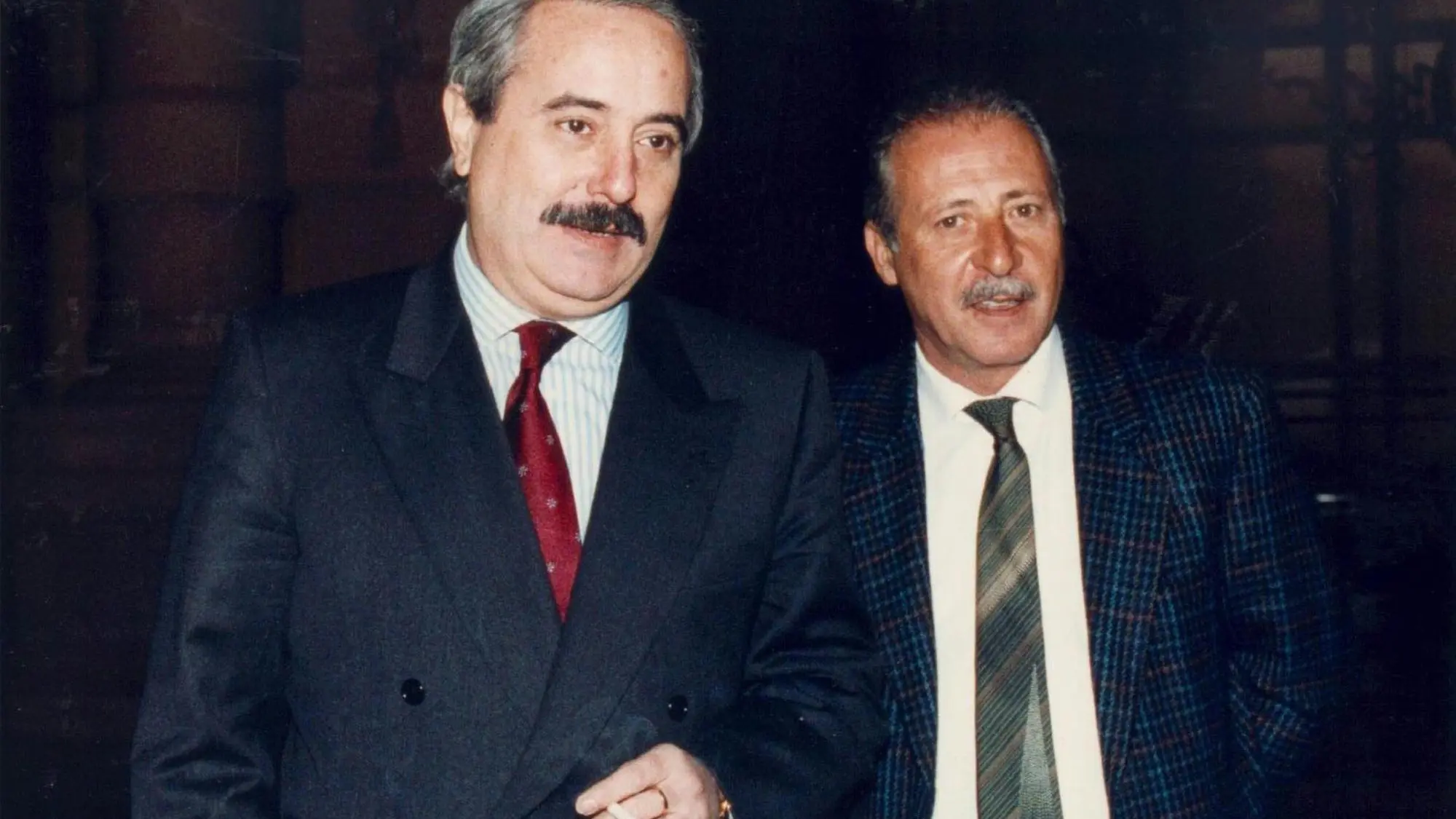
However, a fundamental question remains unsolved and continues to loom large with undiminished force: why was Paolo Borsellino killed with such urgency and violence just fifty-seven days after the Capaci massacre?
A segment of contemporary public debate, often marked by biased or ideologically biased interpretations, tends to underestimate the motive established so far in the trial: the elimination of a magistrate deemed extremely dangerous by Cosa Nostra, because he was capable of pursuing with determination, autonomy, and competence the anti-mafia strategy already shared with Giovanni Falcone.
At the same time, another narrative, now strongly present in political and institutional discourse—a sort of party-based anti-Mafia denialist—tends to identify the relationship between mafia interests, the procurement system, and the financial world as the central, if not exclusive, motive for the Via D'Amelio massacre. This approach, however, risks excessively narrowing the scope of the analysis if it is used to fundamentally exclude any other competing investigative avenues, starting with the possible role of deviant state apparatuses. This perspective, as is well known, has also gained prominence in the work of the Parliamentary Anti-Mafia Commission, where interpretations have emerged that are not always consistent between the parliamentary majority and minority, the latter often being prevented from effectively influencing the Commission's work.