













LEGGI IL QUOTIDIANO
LEGGI IL QUOTIDIANOOggi 12 November
L'Unione Sarda English
Abbonati
ITA|ENG|DEU|RUS|CIN
videolina Linkradiolina linkSardegna 1 linkVai online linkPBM link
Read the newspaper
L'Unione Sarda English
Subscribe
L'Unione Sarda

Iniziative Editoriali

  • Biblioteca dell'identità

Account

  • Abbonati
  • LEGGI IL QUOTIDIANO
ABBONATI A L’UNIONE SARDA

SCARICA L'APP L'UNIONE DIGITAL

Download GoogleDownload apple
videolina Linkradiolina linkVai online linkPBM link

2021 L'Unione Sarda S.p.A. Tutti i diritti riservati. É vietata la riproduzione, anche parziale e con qualsiasi mezzo, di tutti i materiali del sito. | Indirizzo della Sede Legale: Piazzetta L'Unione Sarda nr. 24 | Capitale sociale 11.400.000,00 i.v. | Codice Fiscale ed iscrizione presso l'Ufficio Registro Imprese di Cagliari 01687830925 (P.I. 02544190925) | REA: CA-136248

Cookie e Privacy PolicyModifica impostazioni privacyInformativa commentiCorporate
L'Unione Sarda

News

  • Cronaca Sardegna
  • Economia
  • Salute
  • Cultura
  • Sport
  • Gossip
  • Turismo

Servizi

  • Necrologi
  • Annunci
  • Pubblicità

Bella Sardegna

  • Spiagge

Iniziative Editoriali

  • Biblioteca dell'identità

Account

  • Abbonati
  • LEGGI IL QUOTIDIANO
ABBONATI A L’UNIONE SARDA

SCARICA L'APP L'UNIONE DIGITAL

Download GoogleDownload apple
videolina Linkradiolina linkVai online linkPBM link

2021 L'Unione Sarda S.p.A. Tutti i diritti riservati. É vietata la riproduzione, anche parziale e con qualsiasi mezzo, di tutti i materiali del sito. | Indirizzo della Sede Legale: Piazzetta L'Unione Sarda nr. 24 | Capitale sociale 11.400.000,00 i.v. | Codice Fiscale ed iscrizione presso l'Ufficio Registro Imprese di Cagliari 01687830925 (P.I. 02544190925) | REA: CA-136248

Cookie e Privacy PolicyModifica impostazioni privacyInformativa commentiCorporate
Home
to learn more

Music in Fascist Italy: How Black-Shirted Power Entered Theaters, Conservatories, and Orchestras

In Harvey Sachs' essay, a reflection on the ways in which one of the most complex musical scenes in Europe adapted to the rules, conveniences and lies of totalitarianism
Roberto Roveda
8 aprile 2026 alle 12:01
Music in Fascist Italy: How Black-Shirted Power Entered Theaters, Conservatories, and Orchestras
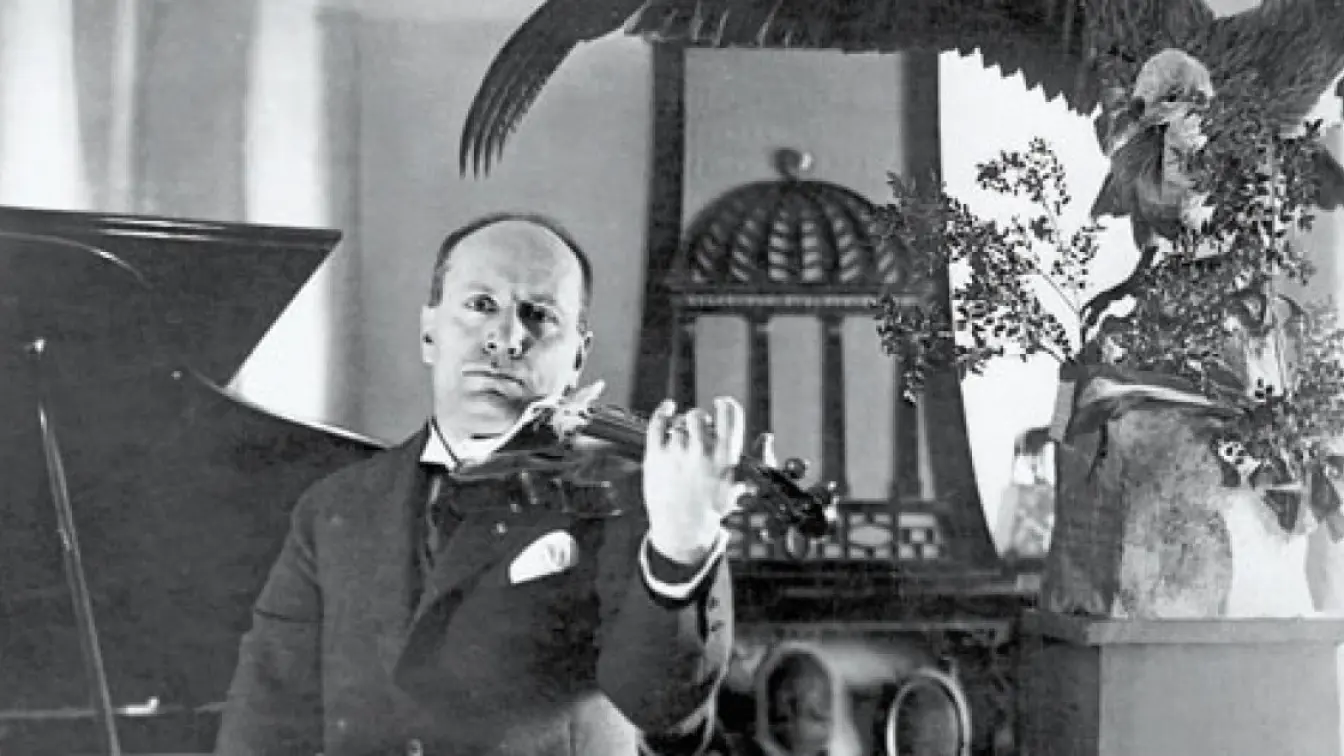
Mussolini impegnato a suonare il violino
Resta informato su WhatsApp
FacebookXLinkedInWhatsApp
Argomenti similiSLOT_11
  • Da che parte sta?
    Caffè Scorretto

    Da che parte sta?

    Tacitus

Articoli correlati

Bomb scare, schools aren't closing. Meloni: "They want to scare us, not hit us. We'll react."
the emergency

Bomb scare, schools aren't closing. Meloni: "They want to scare us, not hit us. We'll react."

The prime minister called on the opposition and reassured them in a video on social media: "Nothing was found in the institutions. Those who send these threats want a nation that is terrified and fea…
Majority summit: "Forward with the statute, but no changes to the electoral law."
region

Majority summit: "Forward with the statute, but no changes to the electoral law."

The draft is ready and at the next session the special commission will begin examining all the articles.
Roberto Murgia
Grillo's appeal, the defense: "Evidence in our favor was ignored or undervalued, the trial must be retried."
Sassari

Grillo's appeal, the defense: "Evidence in our favor was ignored or undervalued, the trial must be retried."

In the grounds of appeal, a flurry of objections raised by the lawyers to the regularity of the conviction sentence of the Tempio Tribunal
Andrea Busia
Girasole: Mosquitoes test positive for the Usutu virus: Mayor's order comes into effect.
the alarm

Girasole: Mosquitoes test positive for the Usutu virus: Mayor's order comes into effect.

The verdict from the Teramo zooprophylactic institute is the first case in the municipality.
Roberto Secci
The eighteenth edition of the Carbonia Film Festival kicks off
cinema

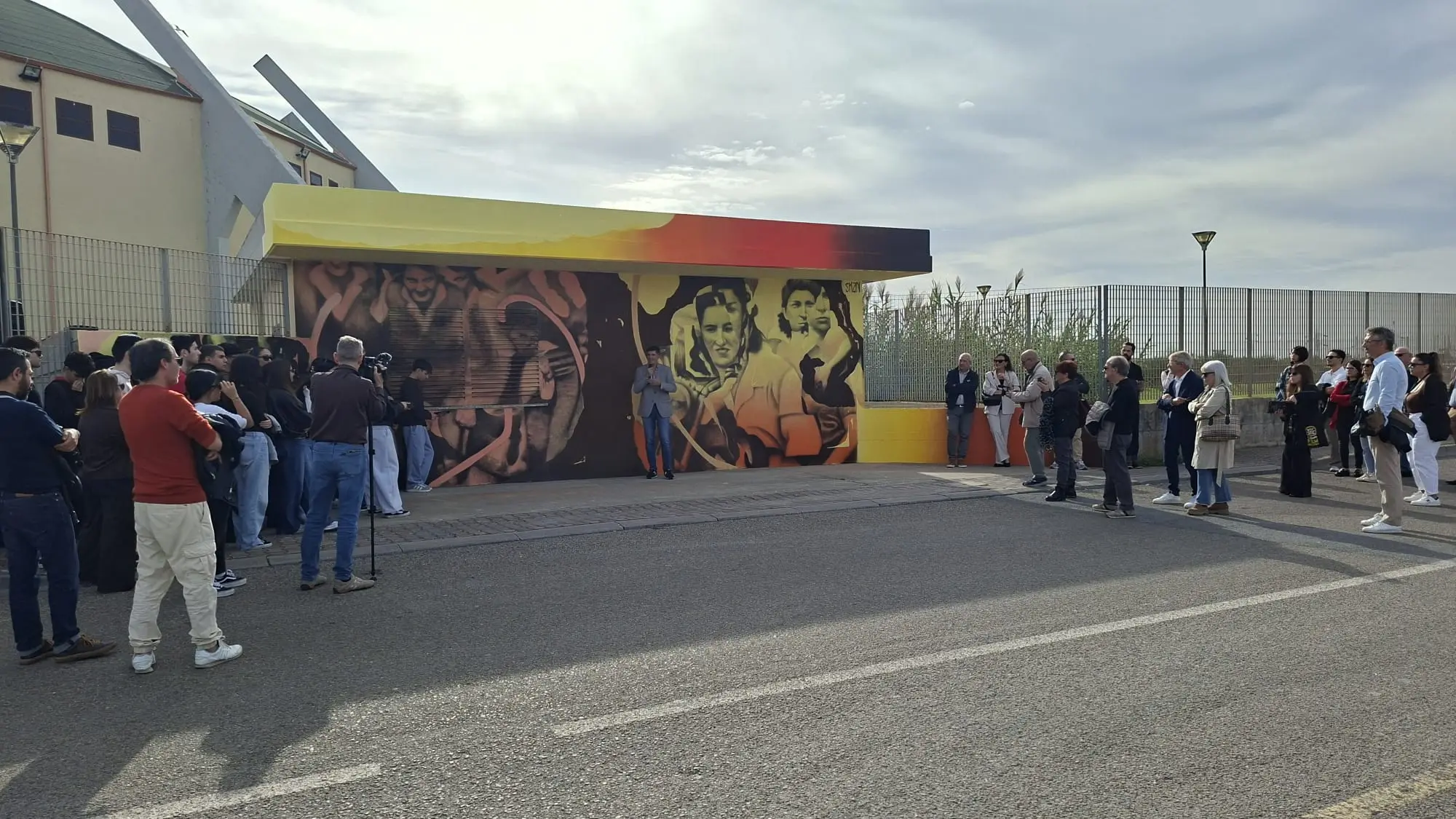
The eighteenth edition of the Carbonia Film Festival kicks off

This morning, the Skan mural was unveiled at the ticket office, and the festival officially opens this afternoon. The event will get into full swing in the coming days.
MARCO CORRIAS
Salerno, a new adventure in the Eccellenza league: he will coach the Tortolì women's team.
soccer

Salerno, a new adventure in the Eccellenza league: he will coach the Tortolì women's team.

The 42-year-old coach returns to the bench, in a completely different context than those he has faced so far
Roberto Secci
Kimi Antonelli with his tricolor hair, Mercedes: "No words."
the champion

Kimi Antonelli with his tricolor hair, Mercedes: "No words."

In the video posted by the team, Kimi arrives at the headquarters, Wolff is incredulous: "Did you even pay?"
Costa Smeralda, the "emery gang" and thefts from dream villas: crimes prescribed after 16 years
Olbia

Costa Smeralda, the "emery gang" and thefts from dream villas: crimes prescribed after 16 years

In 2010, raids took place in Porto Cervo and Olbia, with the villa of an undersecretary of Labour and the residence of a Roman countess also targeted.
Andrea Busia
Ciro Grillo trial: appeal faces immediate risk of postponement
court

Ciro Grillo trial: appeal faces immediate risk of postponement

The defense: "A judge's signature is missing; the first-instance ruling must be retried."

The term "totalitarian" was coined in the mid-1920s in Italy to specify the characteristics of the fascist state and its ability to intervene in every aspect of Italian life. But what characterized fascist totalitarianism (and other totalitarianisms of the first half of the twentieth century, such as Nazism and Stalinism)? First of all, the presence of an official ideology aimed at transforming both society and human nature itself , identifying society with the state . The individual is therefore subordinated to the state in all aspects of his or her life, and no opposition can be tolerated. Secondly, the existence of a single party, led by a charismatic leader, the object of a personality cult, which has annulled the democratic tripartite division of powers and combines both legislative and executive power. The single party is not subject to any judgment by the citizens, and its leaders always come from within the party itself; But the true holders of power are only a handful of individuals. Furthermore, totalitarianism is based on an economic system in which a rigid bureaucracy, directly dependent on the party, plans the production and distribution of goods and services. Then comes a widespread police force trained to monitor citizens' private lives to nip any form of dissent in the bud. This is followed by absolute control over the media through rigorous censorship. And finally, in totalitarianism, every aspect of public life must be addressed to foster consensus and eliminate, or at least delegitimize, any form of dissent. Therefore, propaganda tools must be used to the fullest extent possible.

Mussolini, for example, recognized the great potential of cinema as a tool for fascist propaganda and for Italian power. Cinecittà, the Hollywood of Italy, and the Centro Sperimentale di Cinematografia were created in Rome. In movie theaters, screenings were preceded by newsreels touting the regime's successes , produced by the Istituto Luce, founded in 1924. Another powerful propaganda tool was the radio, through which the Duce's voice could reach the homes of every Italian: by 1938, the number of subscribers reached one million. Loudspeakers were installed in every city and town to listen to Mussolini's speeches and propaganda broadcasts such as the Chronicles of the Regime.

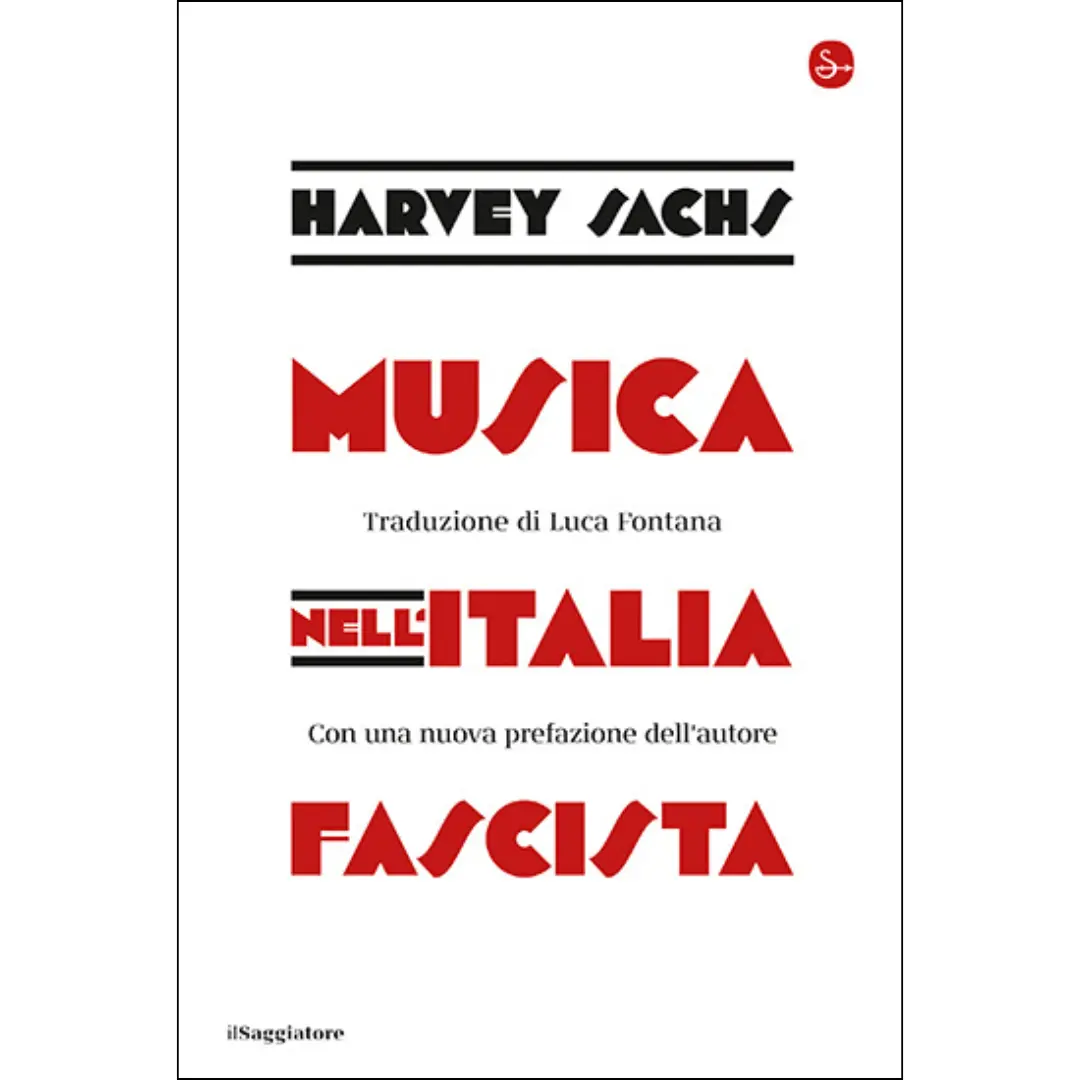
Even music could not escape the Duce's control, whether pop songs or classical music. But what happens when a regime decides that even music must obey him? Music in Fascist Italy (Il Saggiatore, 2026, 400 pp., also available as an e-book, translated by Luca Fontana) is the story of how black-shirted power entered theaters, conservatories, and orchestras , transforming an entire cultural system into a tool for creating consensus.
Music in Fascist Italy: How Black-Shirted Power Entered Theaters, Conservatories, and Orchestras
La copertina del libro

In this essay, writer and music historian Harvey Sachs reconstructs the stages and methods by which one of Europe's most complex musical scenes adapted —often with surprising speed— to the rules, conventions, and lies of fascism : from the constant surveillance to which Arturo Toscanini was subjected—eventually forced into exile—to the imprisonment of musicologist and militant critic Massimo Mila; from the experiences of composers like Respighi, Pizzetti, Casella, and Malipiero, torn between adherence, ambiguity, and dissent, to those of the many zealous and mediocre officials, complacent critics, and manipulative administrators who actively collaborated with the regime. In this crackdown, even institutions, major opera houses, and festivals were affected by the new course, leading, among other things, to the birth of fascist musicians' unions and the founding of the Maggio Musicale Fiorentino as a propaganda tool.

It's a story of concrete episodes, made up of servile letters (which extolled Mussolini's skill as a violinist), sudden decisions, and small, daily compromises in the shadow of the dictatorship's vast bureaucratic machinery. Music in Fascist Italy, therefore, doesn't tell the story of an exception, but of a recurring pattern, concerning the relationship between culture, responsibility, and power. What remains, beyond a succession of directives, proclamations, and laws, are the lives of those who, faced with unjust orders, chose to submit, remain silent, participate, and serve, and of the few who, instead, tried to resist and lost everything—except their dignity.

© All rights reserved