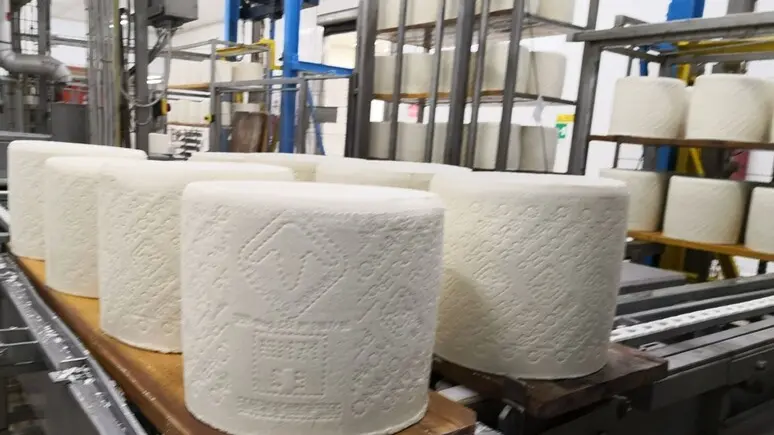


Sardinia is a candidate to become the reference center for the definition of prices of Pecorino Romano Dop, a product that is 95% processed on the island and that represents a pillar of the regional agri-food economy.
Currently, cheese prices are set exclusively by the Chamber of Commerce of Milan, a system that according to Agrinsieme Sardegna presents critical issues and risks of speculation.
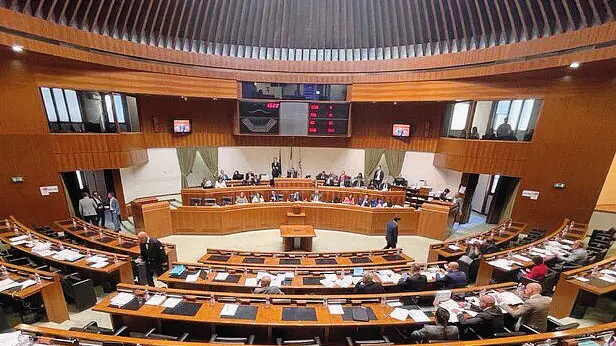
During the last coordination, Agrinsieme Sardegna urged the Chambers of Commerce of the Island and the Sardinia Region to start the process for the establishment of a permanent price committee based on the Island.
The aim is to ensure a fairer and more representative pricing system, avoiding market distortions and possible manipulations. According to the document drawn up by the association, the current methodology used in Milan presents a problem of lack of impartiality, since the prices are determined by a single operator, who is both producer and trader. This could influence the market, penalising Sardinian processors and all other actors in the supply chain, including companies located in the production areas of Pecorino Romano PDO (Sardinia, Lazio and the province of Grosseto).
Sardinian producers report an inconsistency between supply, demand and market prices, with a stagnation in prices that does not reflect the real value of the product .
Furthermore, the dynamics of recent years show an alternation between surpluses and shortages of products, with the risk of a new stock crisis in 2025.
The current system is based on the assessments published by the CLAL company, specialized in the analysis of the dairy market, which takes as its only reference the weekly price lists of the Chamber of Commerce of Milan. However, according to Agrinsieme, these data do not offer a complete view of the market, considering the economic and productive weight of Sardinia.
To launch the new price collection system, Agrinsieme proposes the establishment of a three-year public fund, which will support the activities of the price committee and ensure an effective transition towards a more transparent and representative system.