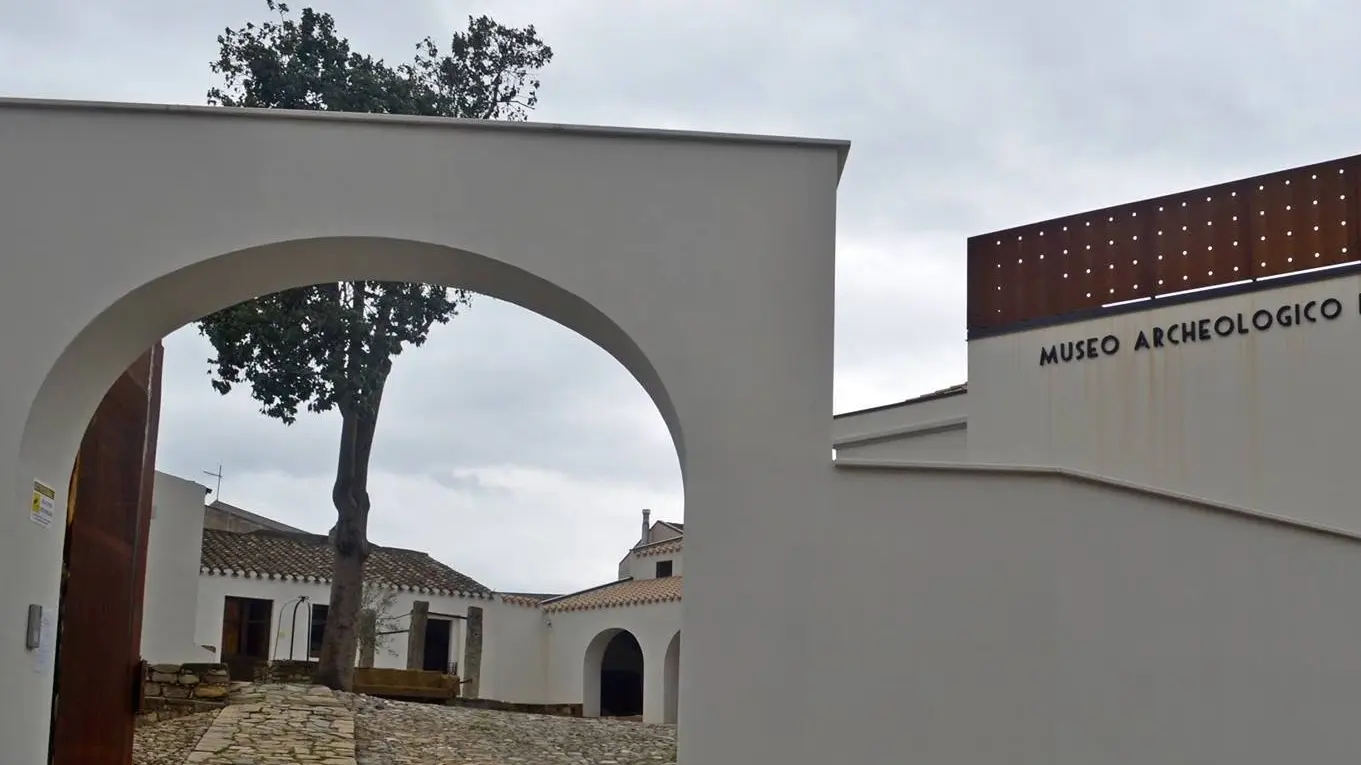


The relationship between ancient navigators and the heroic figures invoked to protect them from the dangers of the sea will be the focus of the fourth event in the series of studies and conferences "Beyond Ithaca. Shipwrecks, Otherness, and Geographies of Return," scheduled for tomorrow, Friday, November 13, at 6:00 PM, at the Domu Nosta Archaeological Museum in Senorbì.
The conference, titled "Odysseus, Protector of Sailors in the Greek World: Acquired Data and Open Questions," will be hosted by Francesco Demuro and is part of a series of in-depth scientific discussions organized in collaboration with the University of Cagliari and the journal Medea. Journal of Intercultural Studies.
The presentation draws on Demuro's recent master's thesis in Archaeology, which he defended at the University of Cagliari, where he is currently attending the School of Specialization in Archaeological Heritage. During his training, he gained experience at the excavations of Nora and the site of Santu Teru in Senorbì, and completed a research period abroad at the Institute of Classical Archaeology at the University of Tübingen, Germany.
The conference will focus on the connection between heroic cults and navigation in the Greek world, from the Archaic to the Classical period. The analysis will focus on the beliefs and ritual practices through which sailors sought protection during sea voyages, combining technical skills with the invocation of deities and heroes. Among these figures, Odysseus occupies a special place: the protagonist of a voyage marked by shipwrecks and dangers, he represents the experience of the sailor exposed to the unpredictability of the sea, yet capable of overcoming adversity thanks to his own cunning and divine intervention. Through the examination of archaeological and iconographic evidence, Demuro will explore how the myth of Odysseus' return also found its way into the cultic practices of ancient communities.