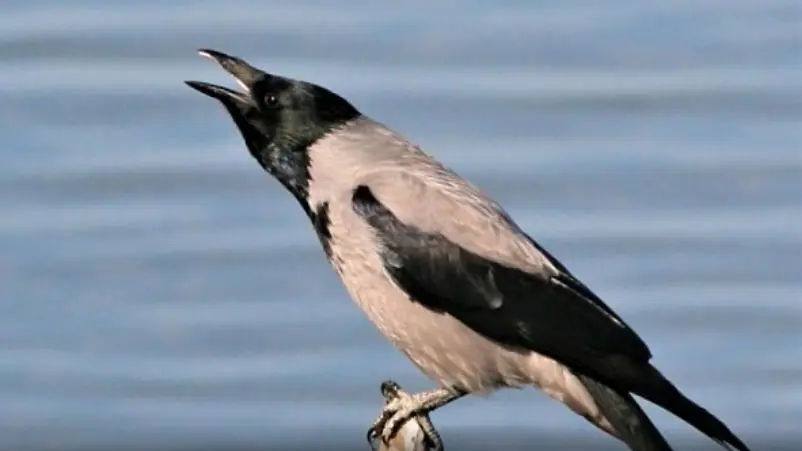


It's no longer just a feeling. Reports of attacks and aggressive behavior are increasing, especially during this time of year, when adults defend their chicks. But along with the attacks, there's also an increase in trash bin raids, bar table raids, the roaring of the chough, and protests from residents. The alarm is widespread throughout the neighborhoods, from Genneruxi to the European Quarter, from the Quartiere del Sole to Castello, to the point that a group of citizens has contacted the relevant authorities to request "urgent and decisive intervention." This is because, since the crow is a protected species (since 1992), private citizens cannot intervene with methods of containment, culling, or nest removal.
The Metropolitan City has therefore launched a three-year containment plan (2026-2028), already approved by ISPRA and the Region: the aim is to cull no more than 5,000 animals, and options include the use of rifles (as a last resort) exclusively by trained and authorized personnel. The question, therefore, is: will shooting be permitted in the city? For example, within Natura 2000 sites, such as Santa Gilla, Molentargius, Calamosca, and Cala Fighera, or will it be permitted only in the agricultural areas surrounding the city?
The alarm
Meanwhile, reports are multiplying. Some say they were grazed by a crow while smoking a cigarette on their balcony, others say they saw their dog attacked, and still others complain about the constant din caused by flocks of birds in the evening hours. But the inconvenience isn't just about the noise. Increasingly, crows (attracted by food) are rummaging through garbage, grabbing bags left on sidewalks, or approaching outdoor tables. "A few weeks ago, some crows attacked dogs, and, attracted by their reaction, their numbers increased to 30-40," reports Elisabetta Piu, a resident of the European Quarter. "We let the dogs inside, but since the crows kept circling overhead in the garden, effectively preventing us from leaving the house, we were forced to call the fire department, who, while unable to intervene directly, nevertheless provided us with helpful advice on how to safely remove them."