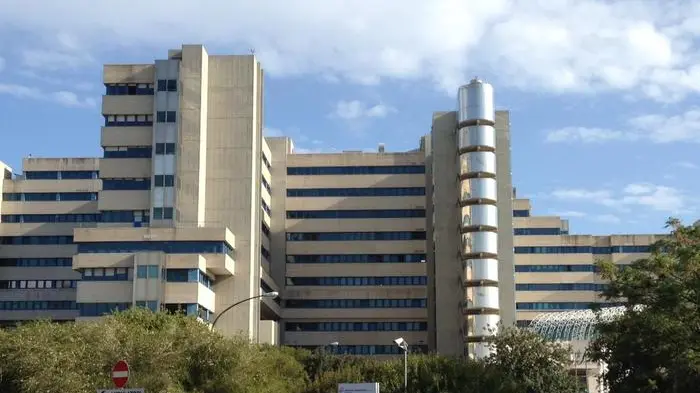


The first controlled heart donation and the first kidney transplant from this type of donor were performed at Brotzu Hospital in Cagliari. This operation, according to Arnas, "marks an important scientific, technical, and organizational milestone, made possible thanks to the generosity of a man who expressed his desire to donate his organs during his lifetime." The recipient of the organ was a patient with chronic kidney failure on the regional waiting list.
The unique nature of the procedure depends both on the type of donor and the procedures implemented to preserve the removed organ.
Unlike the usual donation from a brain-dead donor, in which death is confirmed using neurological criteria, "in this case death was defined using cardiac criteria, with a flat-line electrocardiogram recorded for 20 minutes, as required by law."
Technically, the non-heart-beating donation procedure consists of two main steps: first, immediately after death, extracorporeal circulation is initiated on the deceased donor using an ECMO system, oxygenating and removing carbon dioxide from the blood to ensure perfusion of the abdominal organs. Second, after harvesting, each individual organ is re-perfused with a dedicated device under controlled oxygenation, pressure, and temperature conditions, to improve its performance prior to transplantation.
After the kidney was harvested, it was subjected to reperfusion techniques aimed at reducing the ischemic damage caused by the cessation of the donor's heartbeat and therefore of blood circulation. These techniques facilitated, in addition to evaluating the quality of the organ's function, some forms of "treatment" capable of improving the "performance" of the organ itself.
This is a complex procedure that saw the coordinated involvement of numerous specialists and structures.
The activities were coordinated by the regional transplant center directed by Lorenzo D'Antonio, assisted by Francesca Zorcolo in synergy with the Local Coordination, directed by Antonio Manti.