

Sardinian farmers still on their knees due to the blue tongue , the epidemic that in November reached devastating levels for the companies of the Island, with a gross loss due to lower turnover of the companies in the sector that now stands at around 85 million euros. «Figures that now lead to the need for the sector to have to obtain compensation for at least 35 million euros, necessary to cover part of these serious losses. The dramatic situation is exacerbated by the lack of a measure and tools on the horizon to contain and restore the system». This is reported by Coldiretti Sardinia, reading a situation out of control and not yet contained.
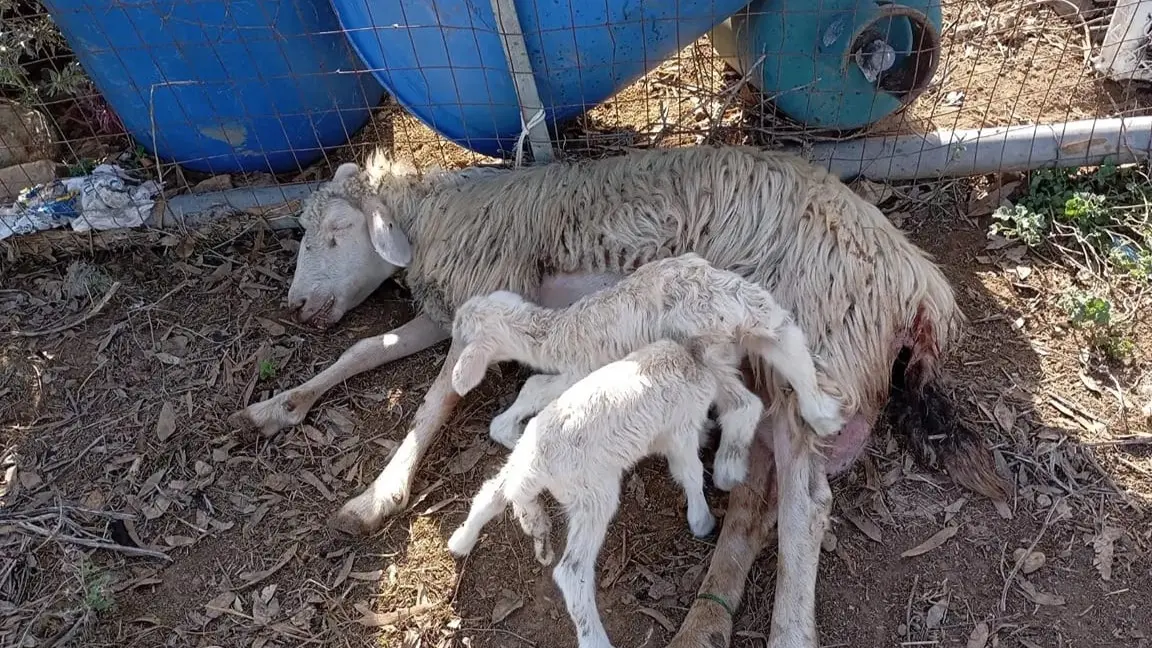
The numbers certify it with over 225 thousand animals that will not generate income for Sardinian livestock farms, considering the more than 176 thousand heads that will be unproductive of milk and lambs to which are added the 50 thousand dead animals (out of 1.4 million heads present - source latest bulletin Istituto Zooprofilattico della Sardegna). Impressive figures that lead to other negative repercussions for the economic system.
For the trade association, the current proportions of the problem are closely linked to "the lack of effective management actions of the problem" so much so that the health and financial emergency appears far from resolved, despite the repeated alarms raised by the breeders of Coldiretti Sardegna. "The measures adopted so far by the Region are not only not sufficient to contain the ongoing drama, but there is still no effective measure on the horizon. The plan to contain the epidemic, which never really took off, has left many areas of the island without timely and adequate interventions with the increasingly serious consequences that are still being seen today".
"The situation we are photographing today - continues Coldiretti - confirms that not only are the resources allocated - equal to 13.5 million euros - completely inadequate to deal with the escalation of the situation but now we need the emergency plan to compensate the affected breeders that was promised and never implemented". But the bluetongue crisis, which in Sardinia is "a growing and certainly not recent drama", "began to spread widely already in June, reaching the worrying levels of today. At the beginning of September there were already around 1,000 outbreaks, a number that increased exponentially in the following weeks until reaching 3,000 at the end of the month. Particularly affected were Sulcis, Campidano, Oristano, Nuoro, Gallura and Sassari, with repercussions also in the cattle sector, where the restrictions on the movement of livestock had brought breeders to their knees and compromised part of the sales season. The consequences on cattle are still visible today with the damage suffered due to the blockages on movements and the difficulties in sales".