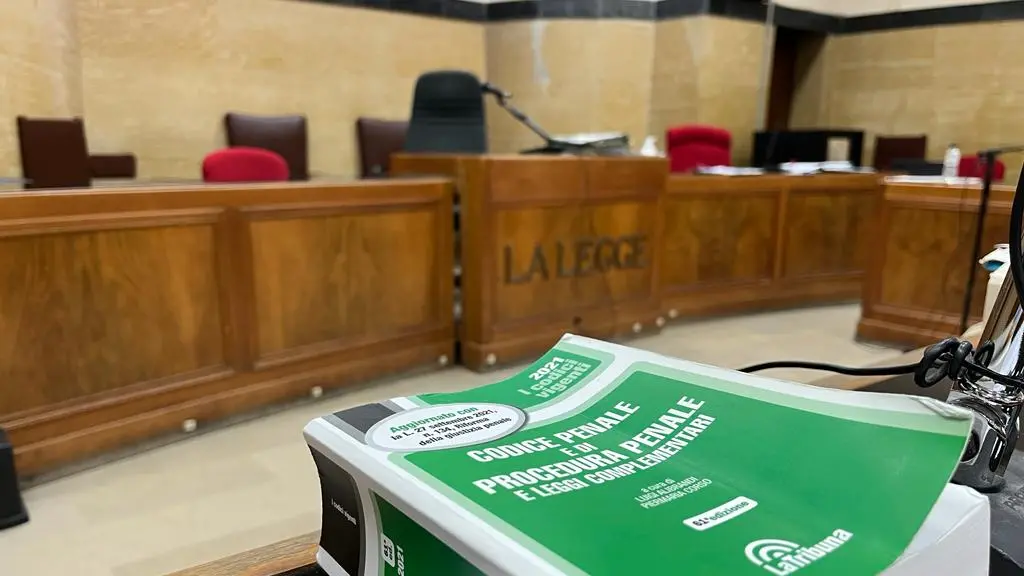


The Cagliari Criminal Chamber adheres to the ban on hearings and all judicial activity proclaimed by the Union of Italian Criminal Chambers from November 23 to 27. The announcement was made in a statement released on November 16, in which the criminal lawyers urge the Chamber of Deputies not to definitively approve the reform amending Article 24 of the Constitution.
The bill introduces, immediately after the inviolability of the right to defense, the phrase "The Republic protects victims of crime." This amendment was approved with near-unanimous support and presented as an act of civility. For Cagliari's criminal lawyers, however, justice reforms are not judged by consensus or emotional strength, but by their consistency with constitutional principles and the guarantees of due process.
According to the Criminal Chamber, the provision alters the balance of the criminal process, which serves to impartially determine a citizen's responsibility, not to satisfy a punitive claim. The heart of the process, the lawyers argue, is the accused, over whom the state exercises the most invasive power: it investigates, accuses, limits personal freedom, and can impose punishment. Constitutional guarantees, they point out, are not a privilege of the accused but a defense against miscarriages of justice and abuse of public power.
Among the risks identified are the undermining of institutions and guarantees seen as obstacles to the victim's interests, the questioning of decisions aimed at the offender's rehabilitation, and a punishment that is increasingly less rehabilitative and more symbolic or retributive. They define it as a "cultural, even more than a legal, setback."
Criminal lawyers emphasize that they consider it necessary to pay attention to those who suffer a crime, already protected, they note, by Article 24 and the mechanisms for participating in the proceedings. The problem, they add, is that victims are often left alone: they wait years for a response, encounter obstacles in compensation, and lack adequate psychological, social, and legal support. Concrete measures are needed, not constitutional amendments with a strong symbolic impact.