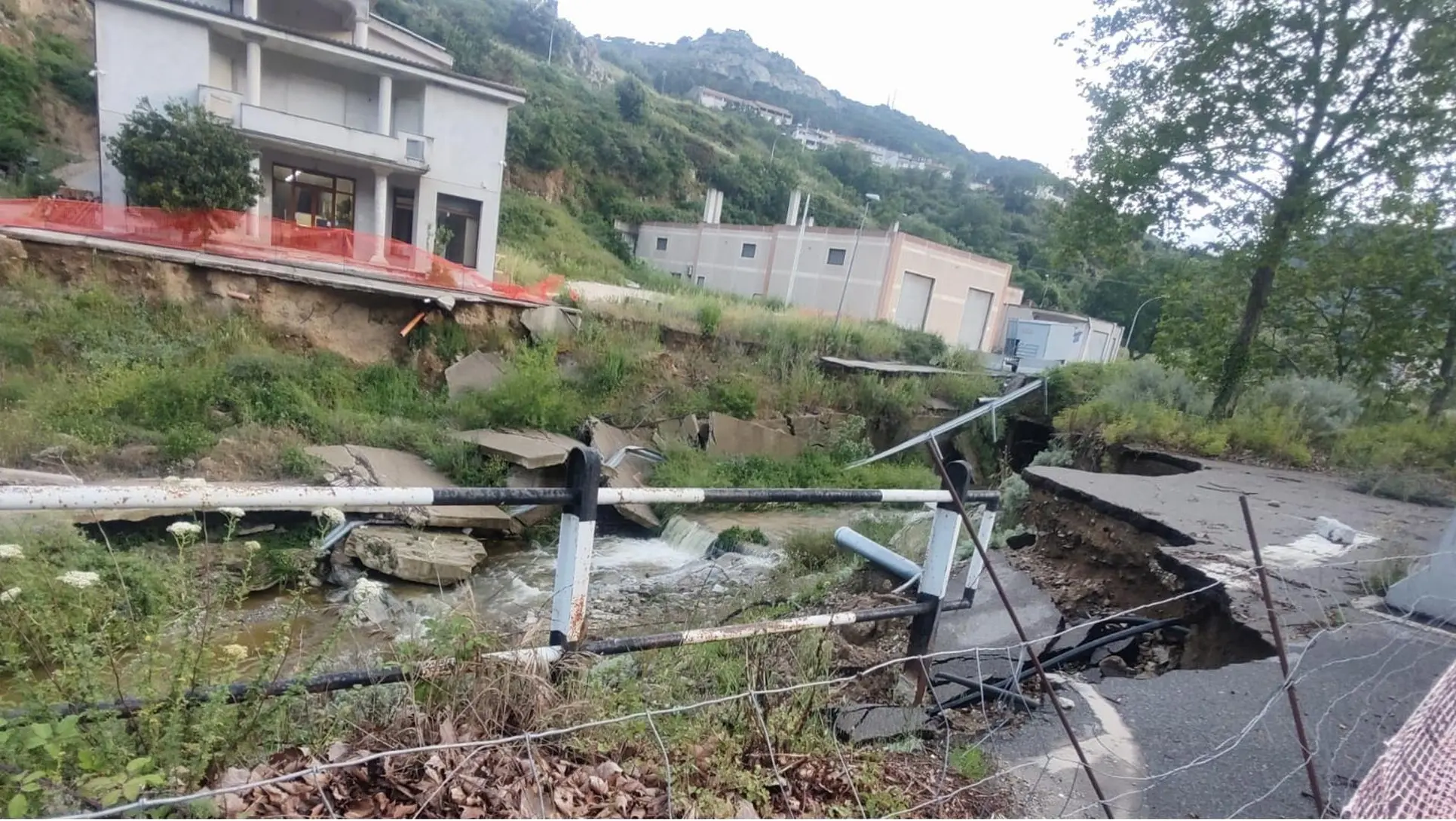


Never was slow more appropriate: "Chentu concas, chentu berrittas". A hundred heads and a hundred caps for a disaster punctuated by a babel of projects, hundreds of millions of euros untouched, without a euro spent, and with infinite biblical planning and construction times. Other than urgency-emergency, the hydrogeological risk in Sardinia is by now a mammoth factory of paperwork, of procedures capable of screwing one with the other, with decision-making and expenditure centers that contend with delays and chaos.
Great pomp
Announcements with great pomp for new millionaire allocations have been going on for years, with the "brand" of the disaster making the news regardless, from Olbia to Bitti, passing through Capoterra and Assemini. Yet entering the "system" of hydrogeological risk in Sardinia, planning and governing the territory, means venturing into a real labyrinth, where there is no way out. The databases, if you want to define them that way, are a mass of procedures, allocations and times that are badly intertwined between the most disparate subjects, from the Extraordinary Commissioner for the implementation of hydrogeological risk mitigation interventions, in this case the President of the Region, up to the contracting stations scattered in every corner of the island.
Sovereign chaos
To discover that chaos reigns supreme, you don't need an innate critical sense, just read the latest internal report of the regional administration, the one put on paper by the evaluation and verification nucleus of public investments of the Regional Programming Center, a sort of NASA region in terms of public spending. A lucid and irreverent dossier, which goes to the point of managing the funds intended to prevent and mitigate the great flood risk that has devastated Sardinia from north to south. A no-frills examination which constitutes the most evident proof of the bureaucratic "disaster" of hydrogeological risk management.
Monitoring in the dark
The managers of the Planning center use the tact of public officials and the ax of those who have to tell the truth: «Even today, at the regional level there is no single and systematically updated information framework of the planned works and of the resources committed and spent in field of soil conservation. If the beating heart of regional programming says so, even today without a guide, it is to be believed.