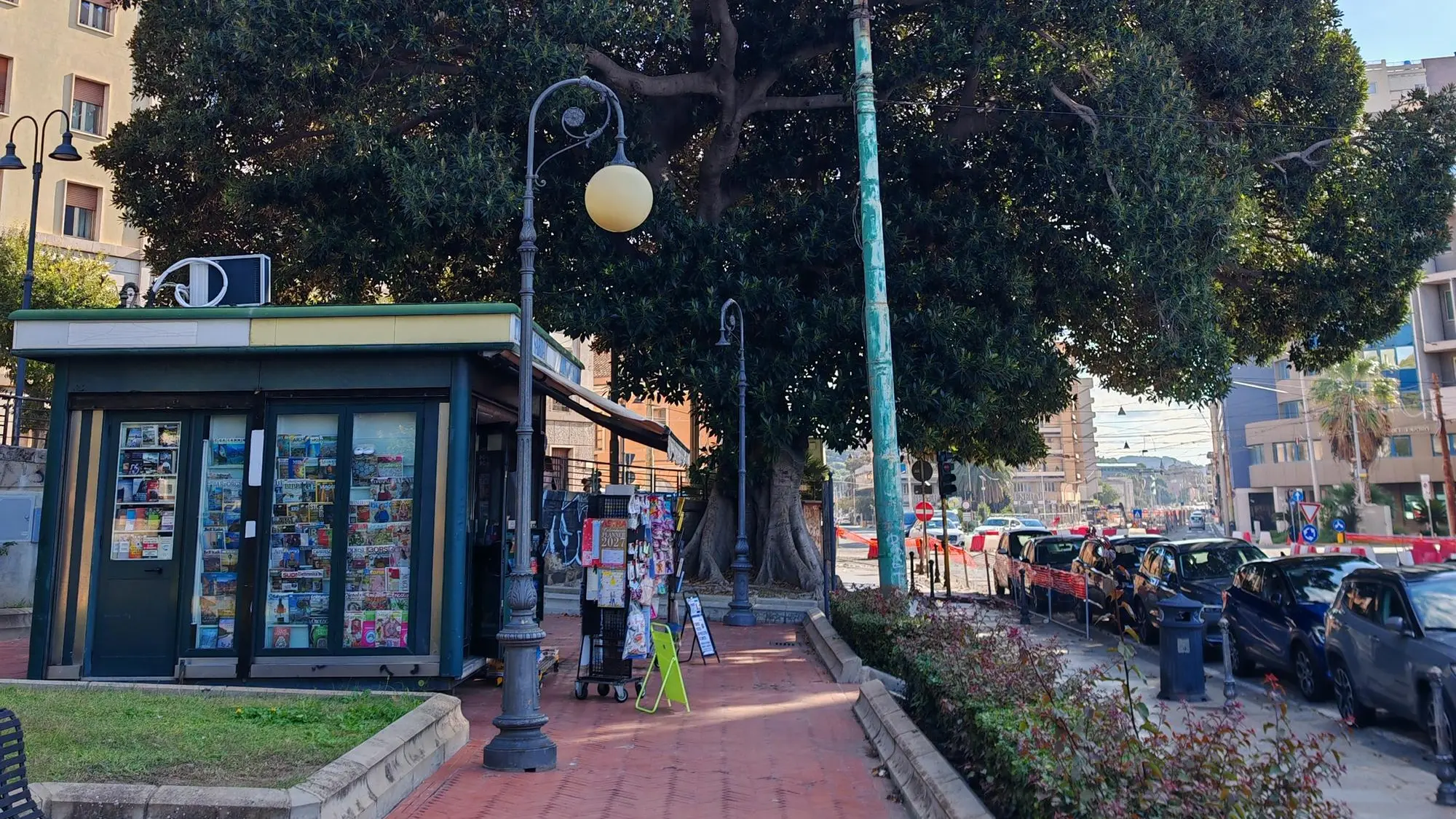


We're so accustomed to their presence that we often fail to realize how important they are. Some of them are silent witnesses to our city's history. They are the trees of Cagliari. On a hypothetical path, starting from Viale Buon Cammino, you'll encounter the pine trees that have accompanied the people of Cagliari for so many years. They once offered refreshment on hot afternoons, while children played and breathed in the healthy air of the trees.
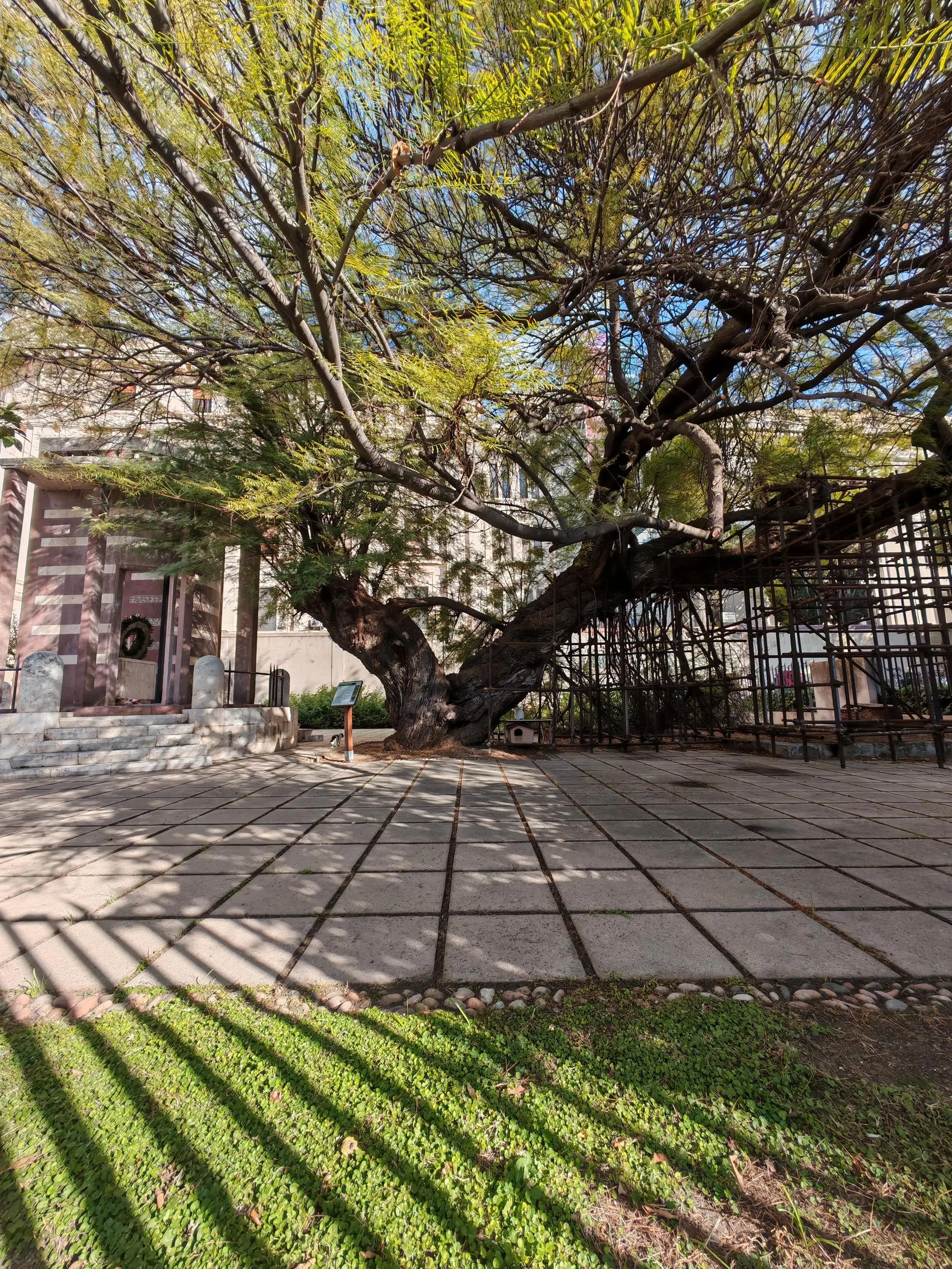
A short distance away is the Public Garden. When the need arose in the early 19th century to create a city green space, the uncultivated area in front of the Royal Powder Magazine was chosen. That structure, which exploded twice during its lifespan, now houses the Municipal Art Gallery. The enormous ficus trees, with their majesty, have enchanted generations of children for years. Not far away, visible from Viale Regina Elena, an enormous Araucaria tree towers over the cityscape, reaching a height of 38 meters. It holds the record for the tallest tree in the city. At the corner of Via Sonnino and Via San Lucifero, in the Parco delle Rimembranze, where the monument to the fallen of the Great War stands, you can admire an enormous tree supported by scaffolding, known locally as the "Admiral's Tree" (Prosopis torquata). We know that in the mid-19th century, an English ship loaded with exotic plants was caught in a storm and forced to seek shelter in the port of Cagliari. As a sign of gratitude for the rescue and welcome he received, the ship's captain decided to donate this plant to the city.
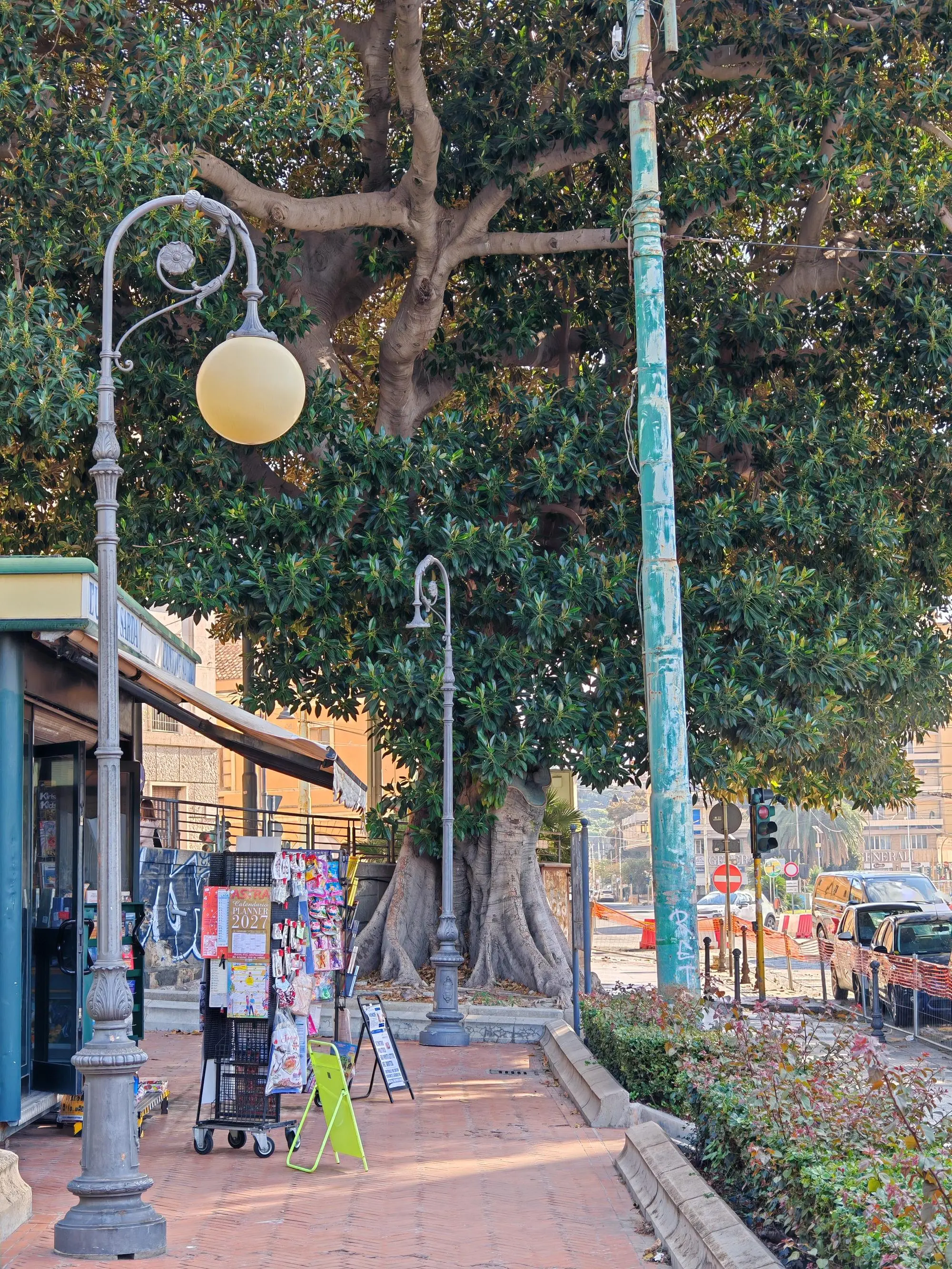
Not far away, between Via Lanusei and Viale Regina Margherita, one of the first attempts to create a botanical garden arose in the second half of the 18th century. The experiment failed, apparently due to the terrain and its proximity to the sea. The site for the current Botanical Garden, which has just celebrated its 160th anniversary, was subsequently identified. Covering approximately 5 hectares, it is one of the city's best-known green spaces. Via Roma also boasts giants that tell a story, such as the enormous Ficus magnolioides found in Piazza Ingrao and Piazza Matteotti. Over the course of their century-long existence, they survived the bombings of 1943 unscathed and have silently observed the changes in the city.