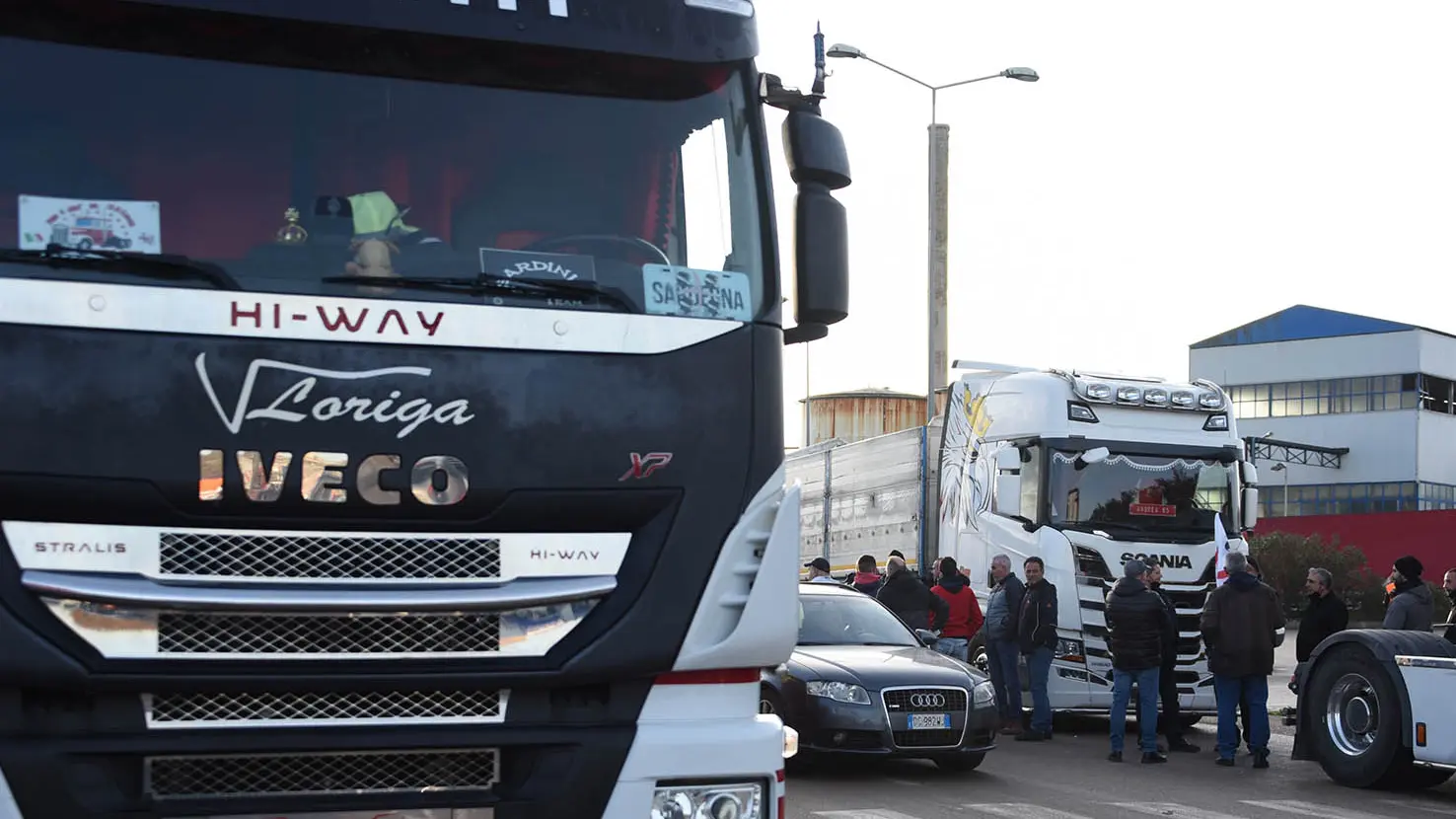


Fuel prices skyrocket, trucks idle. A supply chain for goods is at risk of being paralyzed. This is the alarming scenario outlined by Confartigianato Sardegna following the uncontrolled increase in pump prices triggered by the war against Iran: "With fuel prices exceeding 2 euros, the operating costs of a vehicle far exceed its revenue, with drivers, unfortunately, forced to turn off their engines to avoid running a loss."
Fuel is one of the main costs for road haulage companies, accounting, on average, for 25% to 35% of a fleet's operating costs under normal conditions, explains Giacomo Meloni, president of Confartigianato Imprese Sardegna, "so even an increase of just a few cents per liter can generate thousands of euros in additional costs per year for each heavy-duty vehicle."
According to Meloni, the exponential increase in vehicle operating costs risks triggering a dangerous chain reaction throughout the entire logistics chain, with inevitable repercussions on the supply of goods and the prices of consumer goods.
"We therefore advise companies to assert their rights by immediately activating the fuel surcharge clause in their transport contracts," Meloni emphasizes, "even though we know that, although required by law, it is often disregarded, especially in unwritten contracts. In such cases, they should refer to the indicative cost values published by the Ministry, which we have requested be updated more promptly."
According to an analysis conducted by the Confartigianato Sardegna research department, a heavy-duty vehicle travels an average of about 100,000 kilometers per year, consuming around one liter every three kilometers. Under these conditions, even a modest increase in diesel prices can quickly translate into several thousand euros in additional costs per vehicle.
The study also notes the progression of price increases; in 2021, the price of diesel at the pump was €1.35 per liter. The following year, with the crisis in Ukraine, it reached and has now surpassed €2.