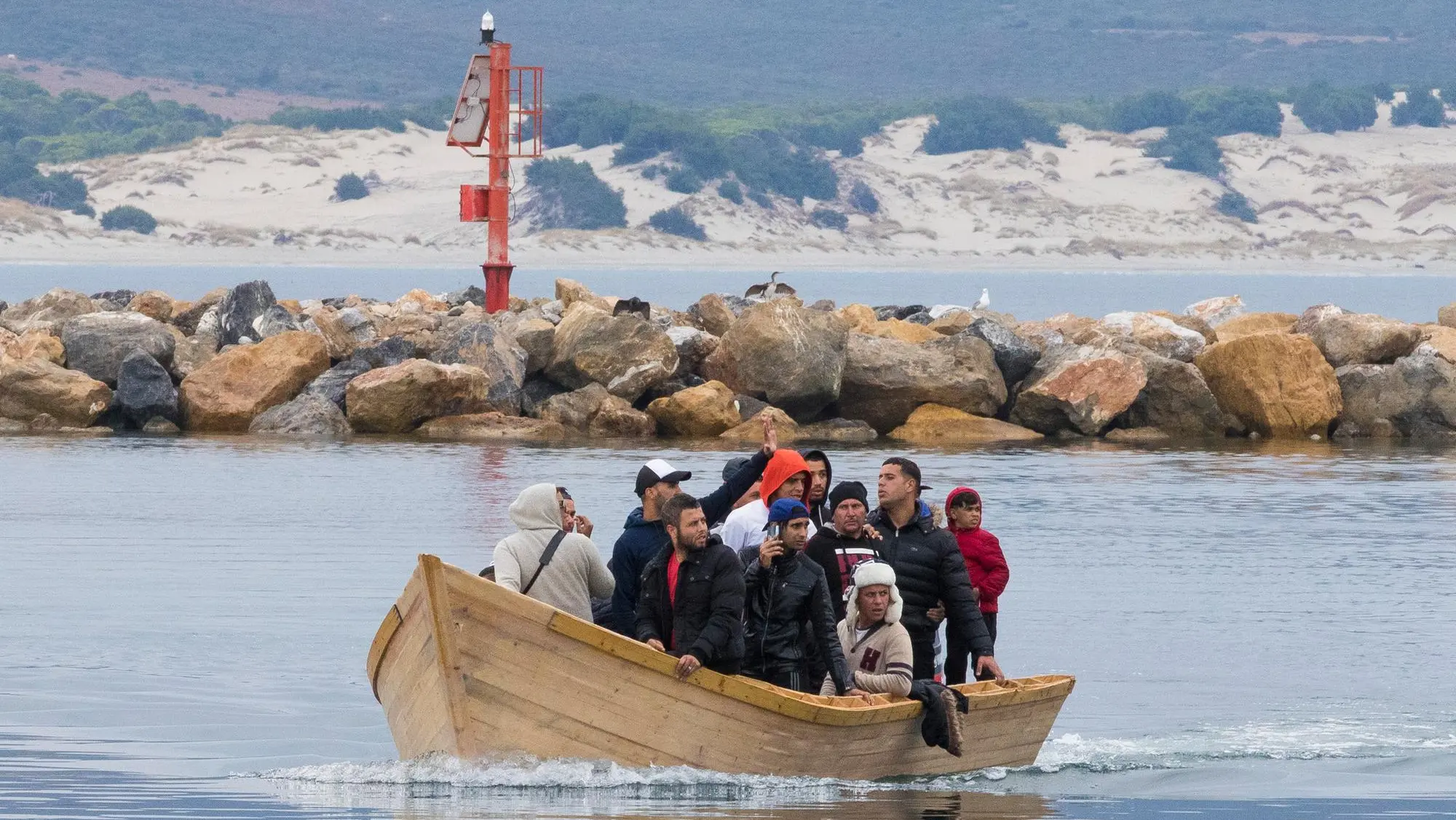


The irregular route to Sardinia has seen "unprecedented activity," with "a monthly record" in September. There's perception, then there are numbers. Frontex, the European Border and Coast Guard Agency, is analyzing the migration phenomenon toward the borders of the old continent. The overall data reported in the latest November update is stark: in the first ten months (January-October) of 2026, "irregular border crossings into the EU decreased by 29%" compared to the same period in 2025. The flow has decreased "across almost all migration routes." The "almost" is due to "a sharp increase in arrivals from West Africa to the Canary Islands." And from the case of Sardinia: the number of "clandestine" crossings between Annaba, Algeria, and the Sulcis region (especially) is on the rise.
The Sardinian data
Migrants continue to depart from Libya, and the flow has slowed. While all regions except Sicily have seen a decline in the number of foreigners in reception centers, in Sardinia the trend has reversed in recent years. As recently as October 31, 2022, with the newly installed Meloni government, according to the Interior Ministry, 1,177 migrants had been welcomed on this side of the Tyrrhenian Sea. Two years ago, on the same day, there were 2,400. As of October 31, the figure had risen to 2,754. But at the beginning of the year, the number had even surpassed 3,000 (January data). These numbers are inflated by the presence in the extraordinary reception center in Monastir, which is overflowing with people, especially Algerians. Meanwhile, departures and abandonments from Italian soil have been recorded. A system that has stalled at the port of Olbia, where North Africans are not allowed to board ships bound for the Italian peninsula. This creates pockets of "ghosts," outside the reception circuits and not even counted. Meanwhile, the direct route to the island is increasingly crowded.