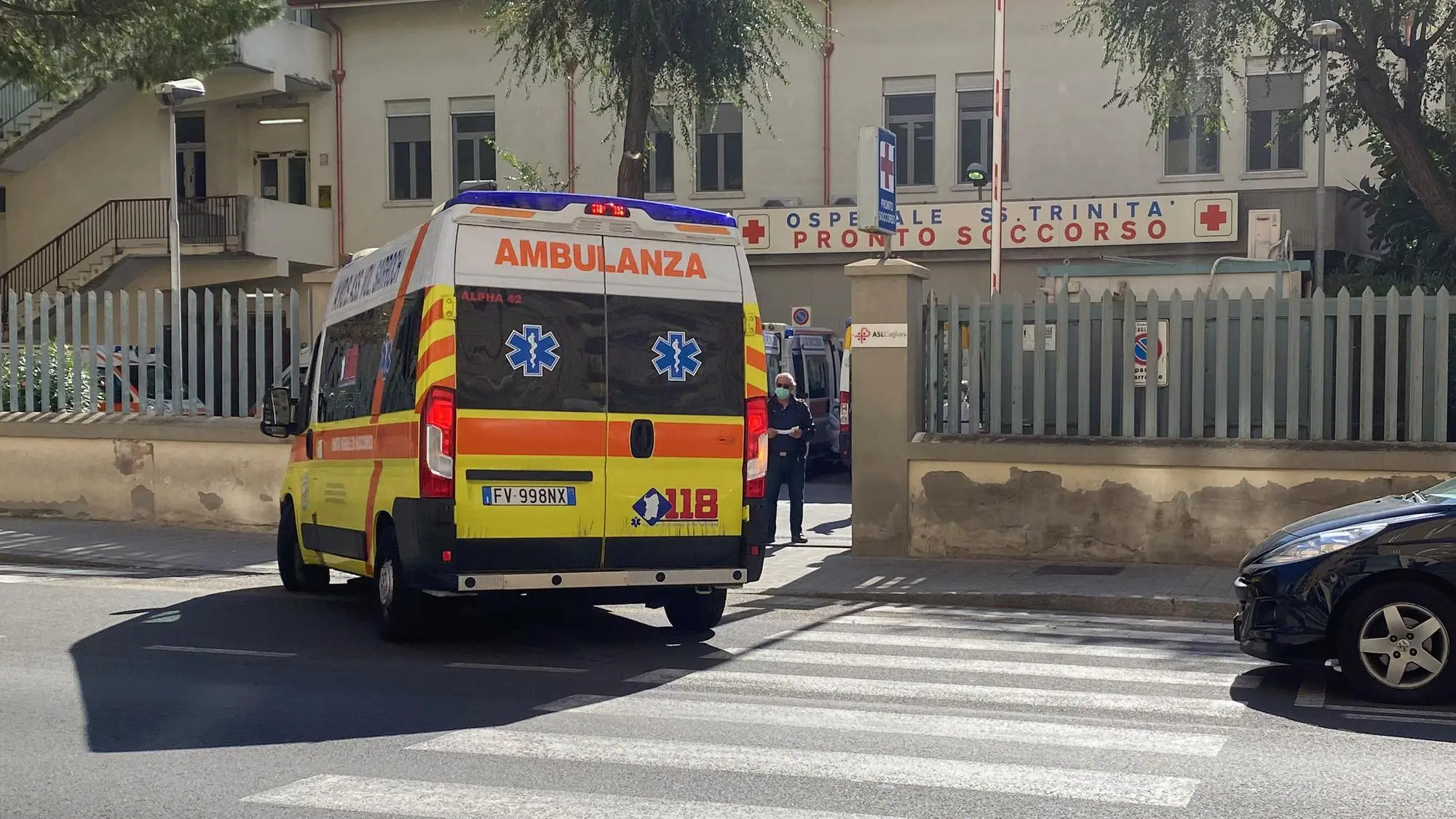


Almost a day in the emergency room waiting for a visit and a diagnosis, which – in the end – didn't happen. It happened to an 80-year-old woman who arrived at the Santissima Trinità in Cagliari last Monday . The old woman's nightmare in her daughter's letter, written to our editorial staff, which we report in full:
«Nothing new for those who are forced to attend hospitals (against themselves). Fortunately, however, perhaps it is for others more fortunate who do not need hospitals. Monday of delirium at the Is Mirrionis emergency room . 80 year old woman , with a health problem for more than a month, treated at home without any improvement, contacts 118 on the advice of her family doctor. The ambulance arrives and after having presented the situation to the staff the woman decides not to accept the transfer to the polyclinic (whose wait according to the regional application on emergency rooms was estimated at >6 hours) and to go independently to Is Mirrionis (time waiting time 2 and a half hours). Arrives at 11.30, pre-triage with Covid swab. Negative result therefore "able" to call from triage. 12.30pm triage. After 8 hours you sit in the chairs in the waiting room and after several reminders at 8.00 pm they call us for medical advice.
Inside, a world of chaos and suffering opens up: beds and stretchers along the walls of the corridor, rooms occupied by beds, armchairs and wheelchairs on which from time to time patients are seated who have passed through the waiting room and are waiting to be visited, receive treatment, be transferred to the departments for consultations. We enter for the interview with the doctor on duty. The first part lasts about 10 minutes and includes a description of the problems and possible solutions. A few interruptions from health workers and nurses, a few phone calls, a few problems (loss of a medical record when transferring a patient from the emergency room to the ward). Then the visit is interrupted: shift change, the new doctor arrives. Other questions, some interruptions for cell phone use and consultations with health professionals and nurses. They make the patient lie down and insert the cannula into her arm for routine blood tests.