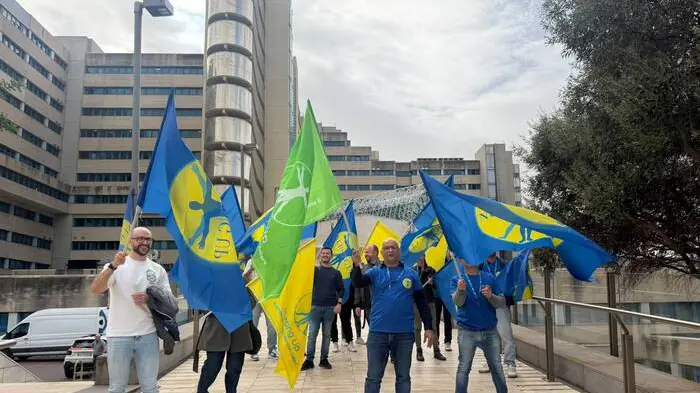


A shortage of nurses and healthcare workers, unfilled shifts, and excessive workloads. This is the complaint from Nursing Up, which during the strike described the "unsustainable" and "dramatic" situation in the inpatient wards of Brotzu, Businco, and Microcitemico.
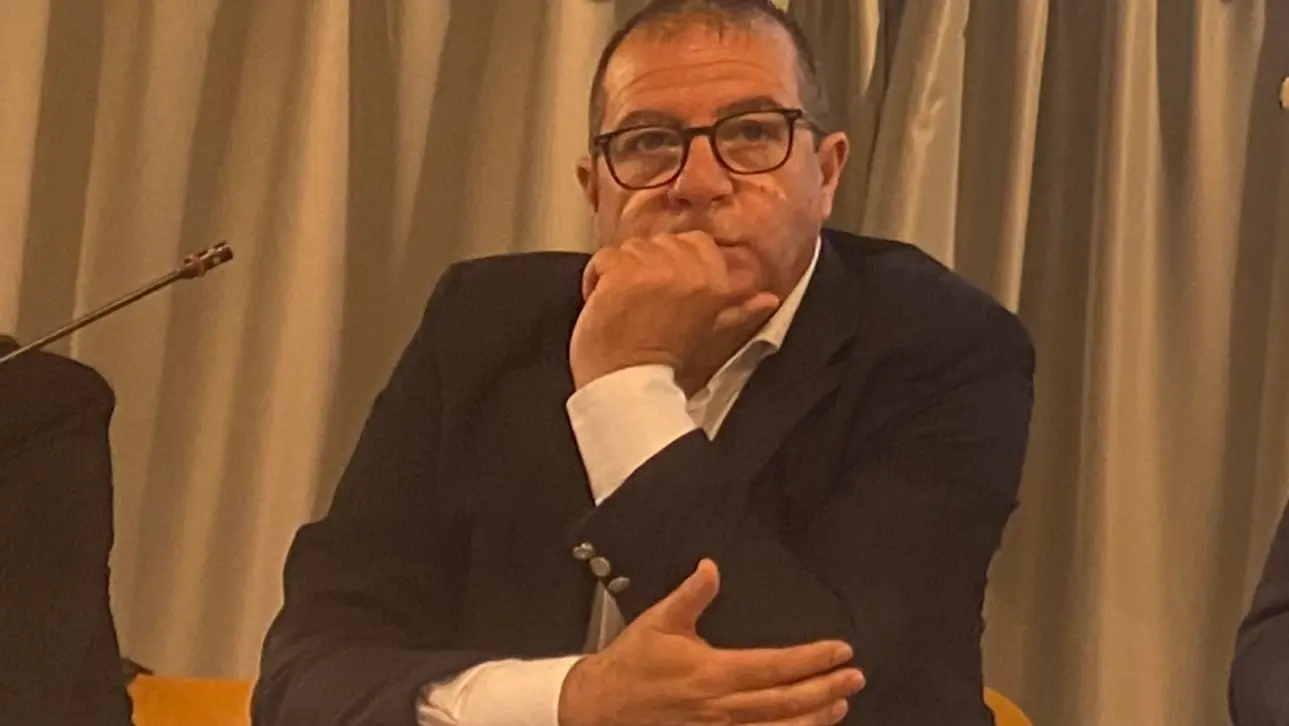
Diego Murracino, the union's regional representative, claims that "We've been fighting for years to get even a modicum of recognition from Brotzu for the nurses' professionalism, to ensure quality care."
According to Murracino, the number of nurses on duty is insufficient to cover shifts , and the excessive workload increases the risk of medical errors. Furthermore, it is not possible to ensure adequate patient monitoring, which is necessary to detect signs and symptoms in time, which, if ignored, can cause serious adverse events.
"For years, nurses have been writing letters to Brotzu management, reporting that working conditions are so critical that they can't guarantee the safety and quality of patient care," the union representative explained to ANSA.
The reference is to specialized departments, from cardiac surgery to vascular surgery, from neurosurgery to orthopedics and traumatology. A condition, he adds, "devastating for professionals, who are exhausted at the end of their shift: their private lives also suffer the consequences, overwhelmed by the burden of stress that accumulates during working hours."
Regarding the low turnout at the protests , Murracino highlights a paradox linked to the agreement on minimum contingents: "For each operational unit, a number of staff members who cannot strike has been established, because they must ensure emergency and urgent care. But this number, today during the strike, is the same as yesterday and will be the same tomorrow. This means we're working in a state of emergency and that the nursing shortage is real: on non-strike days, we have the same number of nurses, and everything is done on an emergency-urgent basis. This is a sign of a serious crisis."