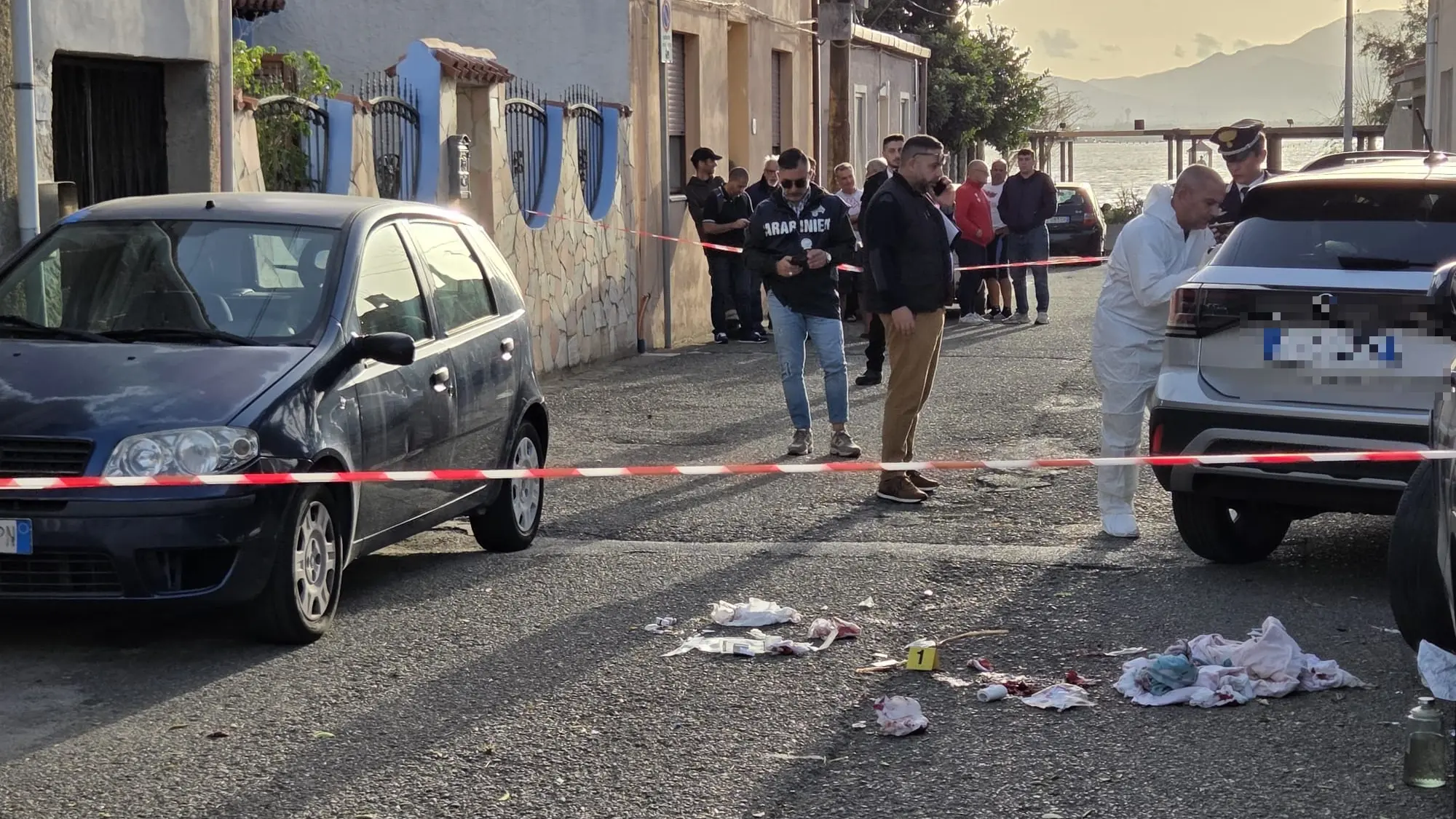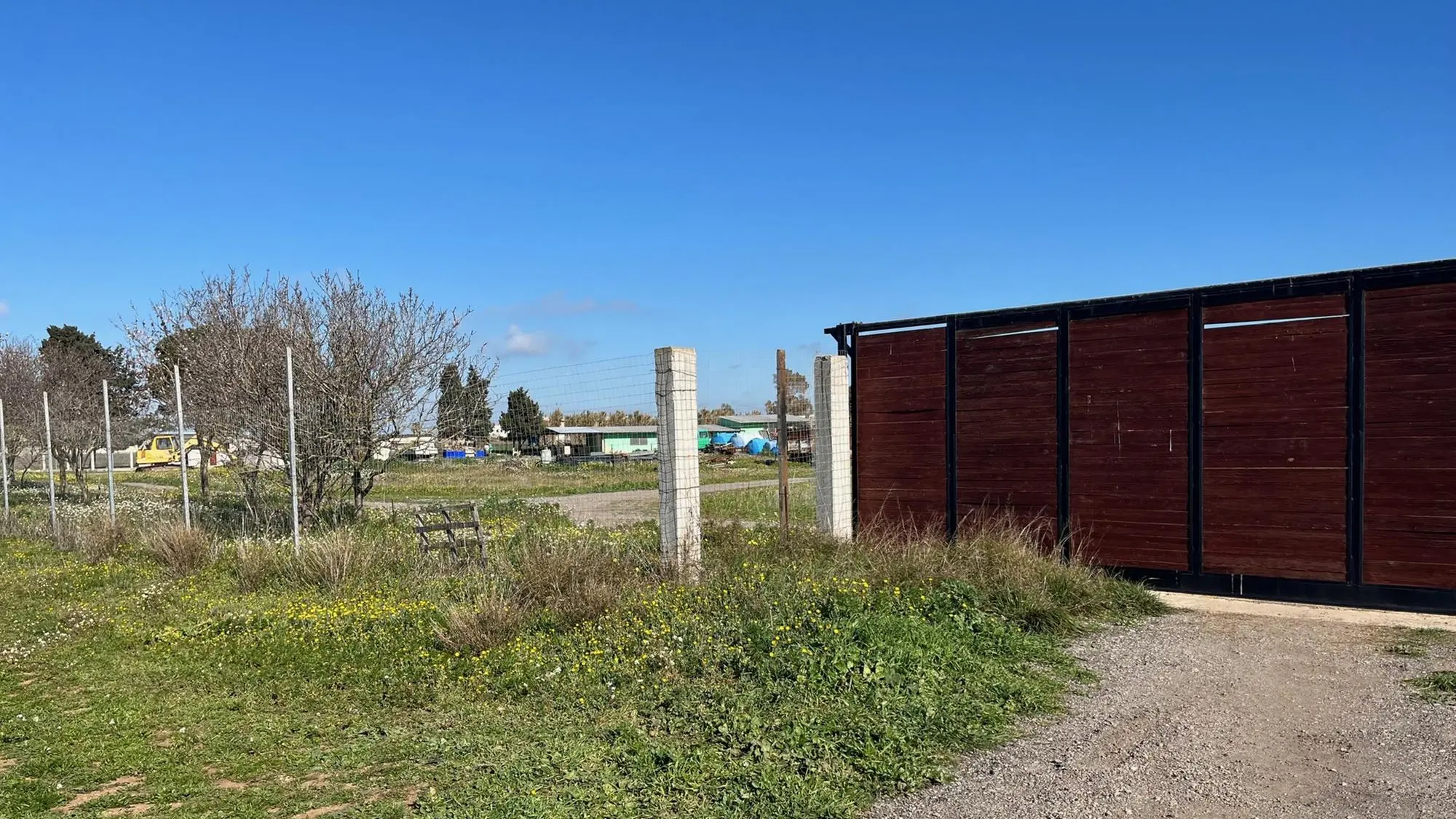


«My brother didn't deserve to suffer such cruelty. He is a good, gentle and peaceful person. And he always worked, morning and evening, to the best of his ability: if it didn't go well they could send him away. Instead he was reduced to appalling conditions. After seeing his wounds I cried for two months. No human being, no beast deserves something like this." The speaker is the sister of the shepherd servant with an intellectual disability who for a long year, in a livestock farm a few steps from the town of Villasor, suffered frightening, unimaginable violence. Violence that disfigured him: a swollen nose, ears deformed by blowtorch burns, the skin of his face burned, a severed finger, his upper lip disfigured by a blow from a rake.
A few months ago, having returned to live in a house, that of his sister, instead of in the shack of a stable, this 45-year-old man took his first walk in the village after a long time: the villagers, including old friends, did not recognized. The face is no longer that of the old photos, including the one on the identity card. Then, hidden, there are many other wounds and burns: on the back, a thigh, a shin, the private parts. All documented in a photographic dossier filed with the Prosecutor's Office: those who have seen it speak of it as a gallery of horrors.
Even the soul is all a bruise: traumas that still resurface at night, in nightmares, even now that the man lives in a protected community, far from the town where he was born and raised but where he is now, understandably, afraid.
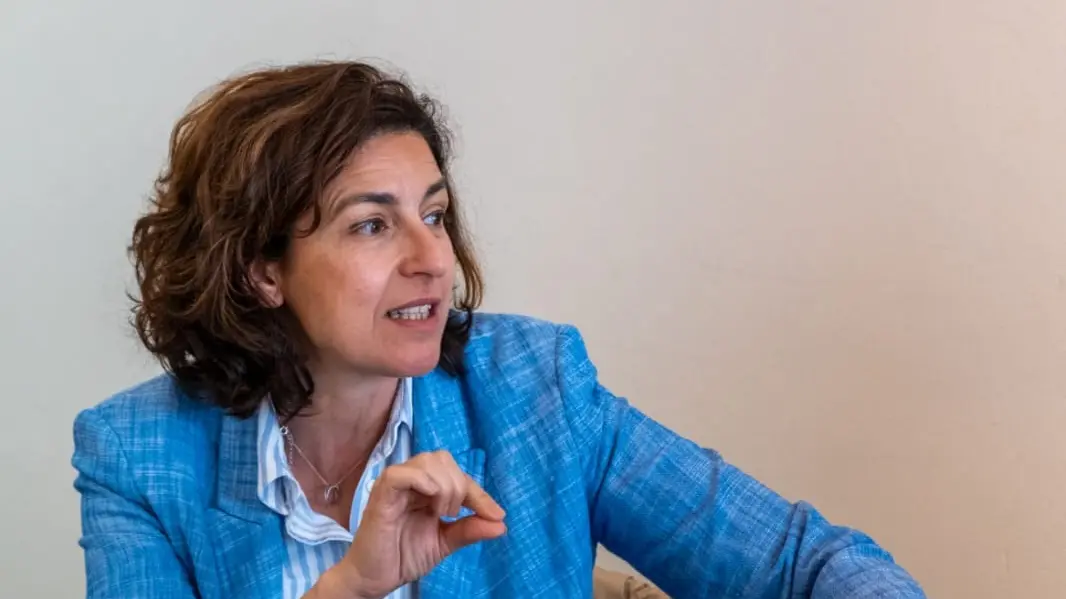
The woman who last October went into that countryside a few hundred meters from the town and took him home, having him examined and treated and finally, together with him, reported everything to the police has decided to speak with a journalist because she wants to clarify something: «I have read several comments, on social media and on information sites, in which I am accused of not being interested in my brother. It's not like that: I've always been there. Those sentences hurt me. I went to that company many times to see how it was doing but it wasn't easy to find out what was happening in that place. Instead, I'm sorry that several people in the town knew and could have warned me, perhaps without exposing themselves, even with an anonymous letter and they didn't do it."