









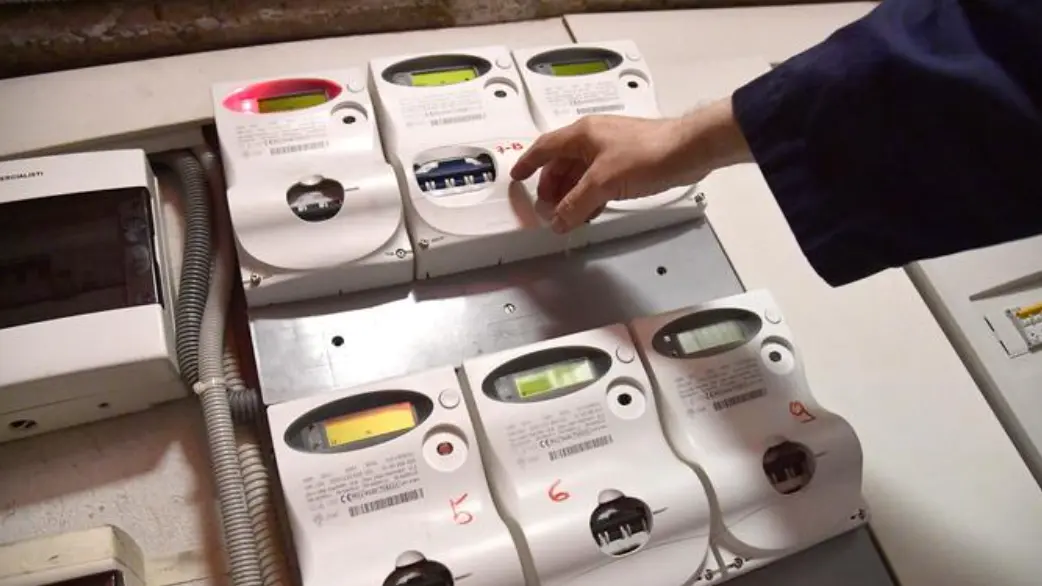






Sardinian businesses are also hit again: in one year , electricity and gas bills will increase by up to 70%. Increases that can exceed 40,000 euros per year.
Confartigianato Sardegna is sounding the alarm, with President Giacomo Meloni stating: "Small businesses cannot continue to pay the highest price for energy crises. We need stability, clear rules, and concrete action."
Confartigianato notes that "the surge in electricity and gas prices is having an unprecedented impact on Sardinian corporate balance sheets. From plastic processing to metal treatment, from wood-furniture to other manufacturing activities, the 'high energy cost' continues to take on different forms on Sardinian production, depending on the
production processes, consumption and supply conditions".
According to updated data from the CEnPI Confartigianato Consortium, Italian micro and small businesses with electricity consumption of less than 2,000 MWh pay 22.1% more for energy than the EU-27 average, resulting in a national additional cost of €4.601 billion. In Sardinia, the energy burden reaches €124 million.
A comparison between October 2025 and October 2026 highlights significant price increases: electricity increases between 50.89% and 53.72% for various production sectors, while gas increases of up to 70.61% in metalworking. And annual projections confirm higher costs amounting to tens of thousands of euros in some activities.
"When energy costs rise," Meloni emphasizes, "companies face a difficult choice: either directly bear the increases, reducing their margins, or pass them on to final prices, risking loss of customers and market share. In many sectors, especially food and personal services, the ability to increase prices is limited by household spending power and competition. A significant portion of the increased costs thus ends up being borne by businesses, squeezing their profitability." For Confartigianato, Sardinia also suffers from a structural insularity that makes the issue of competitiveness even more delicate. "We cannot ask our companies to compete on national and European markets without ensuring fair and sustainable energy conditions," adds the president of Confartigianato Sardegna. "The energy transition must represent an opportunity for everyone, not become an additional burden on the shoulders of small businesses." For this reason, while there is anticipation for the potential impact of the "Bill Decree" approved last night by the Council of Ministers and expected to come into force next January, Confartigianato is calling on institutions to develop an energy strategy capable of ensuring sustainable costs and competitive conditions . Because, Meloni concludes, "without accessible energy, profitability, investment, employment, and regional development are at risk."