

The fifth stage of Saboris Antigus will be Sunday 26 November in Gesico. A village with thousand-year-old traditions that continually intertwine between the sacred and the profane, just as many of its festivals are held. What keeps the country's attention high, not only in Sardinia but in the rest of the world, is in fact a strong religious tradition of martyr saints and stories that have ignited the inhabitants with faith and devotion. Stories that are still being studied today, as for example happened with Spain and its researchers, enchanted by the charm and secrets that Gesico holds.
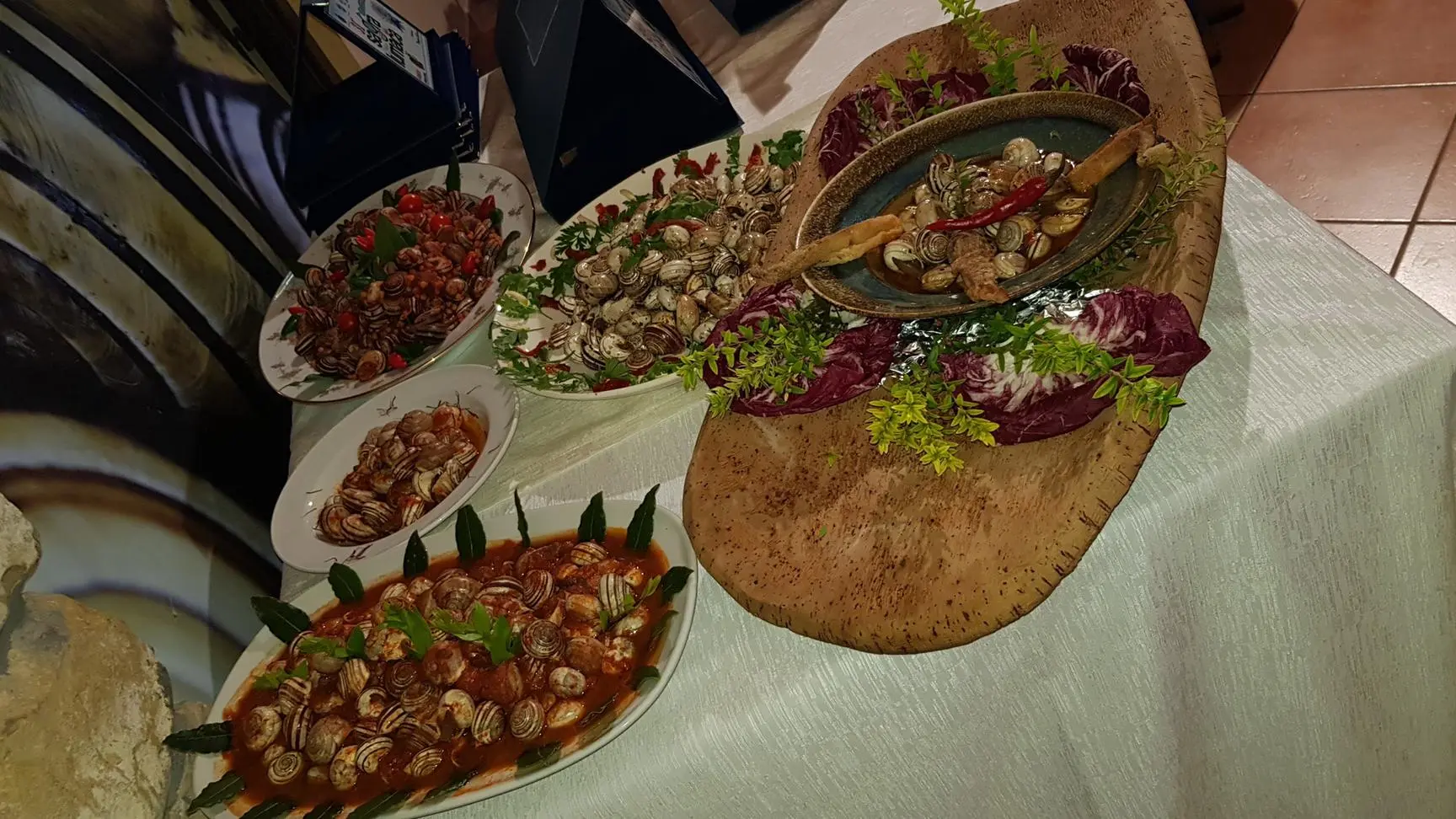
The Snail Festival, an unmissable food and wine event for the people of Geise and connoisseurs, takes place on the third Saturday in October in conjunction with the Feast of Saint Amatore, Bishop and Martyr. The Saint is the patron saint of the town and the celebrations in his honor take place throughout the festival in an atmosphere that intertwines the sacred and the profane.
Gesico is also called the village of the seven churches: starting from the center of the town there is the church of Santa Giusta, then the Romanesque church of Santa Maria d'Itria, on the mountain of the same name there is the rural sanctuary of San Mauro, still the ruins of San Rocco, Santa Lucia and San Sebastiano. During the event you can visit the churches and discover their beauty and the mysterious stories they keep. All this and much more will be the subject of the Saboris Antigus program for November 26th: i visitors will thus be able to discover the beauties of another town in the Trexenta. Good food and excellent recipes, the crafts of the past, an almost uncontaminated nature within which it is also possible to explore important archaeological sites.
A beautiful bronze creation workshop was designed for Saboris Antigus day. The "Civiltà Sarda" exhibition curated by Andrea Loddo will be held at the Museum managed by the Antes Cooperative, at Casa Dessì. It is called "Casa Dessì", the place that houses the Museum today, because the last owner was a gentleman called Maistu Antonio Dessì. A trader and bartender, but before that a blacksmith, "su ferreri", a true master of the steel industry.