
















LEGGI IL QUOTIDIANO
LEGGI IL QUOTIDIANOOggi 12 November
L'Unione Sarda English
Abbonati
ITA|ENG|DEU|RUS|CIN
videolina Linkradiolina linkSardegna 1 linkVai online linkPBM link
Read the newspaper
L'Unione Sarda English
Subscribe
L'Unione Sarda

Iniziative Editoriali

  • Biblioteca dell'identità

Account

  • Abbonati
  • LEGGI IL QUOTIDIANO
ABBONATI A L’UNIONE SARDA

SCARICA L'APP L'UNIONE DIGITAL

Download GoogleDownload apple
videolina Linkradiolina linkVai online linkPBM link

2021 L'Unione Sarda S.p.A. Tutti i diritti riservati. É vietata la riproduzione, anche parziale e con qualsiasi mezzo, di tutti i materiali del sito. | Indirizzo della Sede Legale: Piazzetta L'Unione Sarda nr. 24 | Capitale sociale 11.400.000,00 i.v. | Codice Fiscale ed iscrizione presso l'Ufficio Registro Imprese di Cagliari 01687830925 (P.I. 02544190925) | REA: CA-136248

Cookie e Privacy PolicyModifica impostazioni privacyInformativa commentiCorporate
L'Unione Sarda

News

  • Cronaca Sardegna
  • Economia
  • Salute
  • Cultura
  • Sport
  • Gossip
  • Turismo

Servizi

  • Necrologi
  • Annunci
  • Pubblicità

Bella Sardegna

  • Spiagge

Iniziative Editoriali

  • Biblioteca dell'identità

Account

  • Abbonati
  • LEGGI IL QUOTIDIANO
ABBONATI A L’UNIONE SARDA

SCARICA L'APP L'UNIONE DIGITAL

Download GoogleDownload apple
videolina Linkradiolina linkVai online linkPBM link

2021 L'Unione Sarda S.p.A. Tutti i diritti riservati. É vietata la riproduzione, anche parziale e con qualsiasi mezzo, di tutti i materiali del sito. | Indirizzo della Sede Legale: Piazzetta L'Unione Sarda nr. 24 | Capitale sociale 11.400.000,00 i.v. | Codice Fiscale ed iscrizione presso l'Ufficio Registro Imprese di Cagliari 01687830925 (P.I. 02544190925) | REA: CA-136248

Cookie e Privacy PolicyModifica impostazioni privacyInformativa commentiCorporate
Home
A book to discover

“The son of the accordionist”, because we are our culture and our language

Bernardo Atxaga in a great novel dedicated to the Basque identity
Robert Roveda
5 aprile 2023 alle 10:00
“The son of the accordionist”, because we are our culture and our language
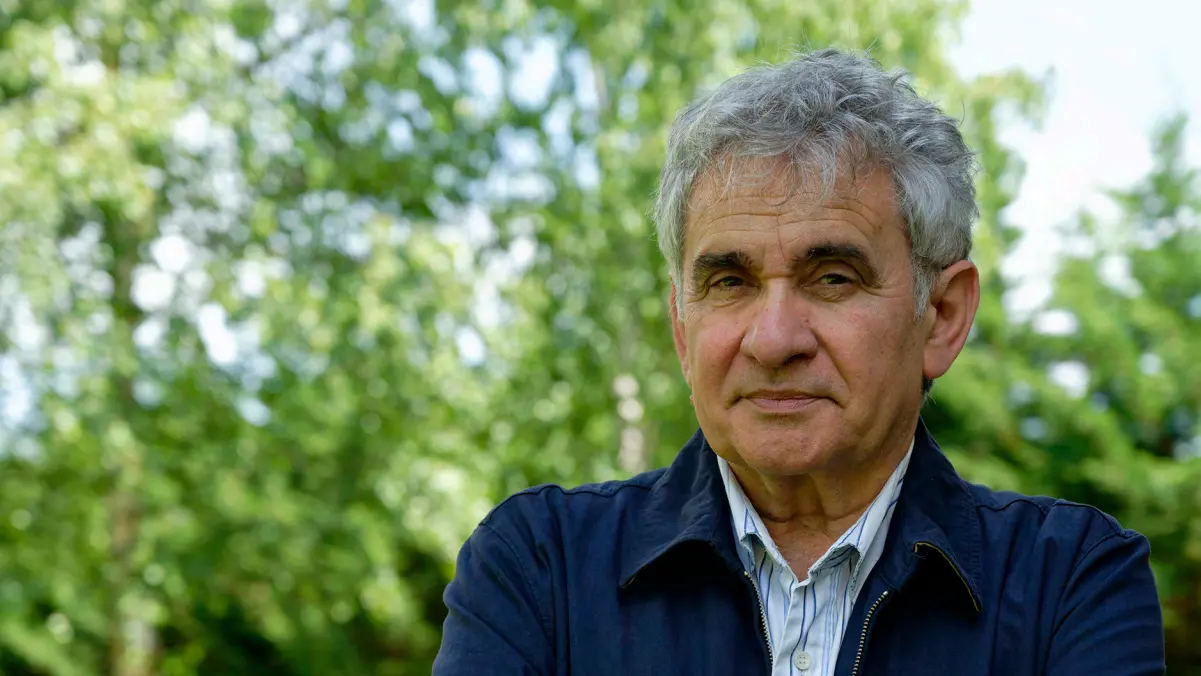
Bernardo Atxaga (foto concessa)
Resta informato su WhatsApp
FacebookXLinkedInWhatsApp
Argomenti similiSLOT_11
  • Da che parte sta?
    Caffè Scorretto

    Da che parte sta?

    Tacitus

Articoli correlati

Bomb scare, schools aren't closing. Meloni: "They want to scare us, not hit us. We'll react."
the emergency

Bomb scare, schools aren't closing. Meloni: "They want to scare us, not hit us. We'll react."

The prime minister called on the opposition and reassured them in a video on social media: "Nothing was found in the institutions. Those who send these threats want a nation that is terrified and fea…
Majority summit: "Forward with the statute, but no changes to the electoral law."
region

Majority summit: "Forward with the statute, but no changes to the electoral law."

The draft is ready and at the next session the special commission will begin examining all the articles.
Roberto Murgia
Grillo's appeal, the defense: "Evidence in our favor was ignored or undervalued, the trial must be retried."
Sassari

Grillo's appeal, the defense: "Evidence in our favor was ignored or undervalued, the trial must be retried."

In the grounds of appeal, a flurry of objections raised by the lawyers to the regularity of the conviction sentence of the Tempio Tribunal
Andrea Busia
Girasole: Mosquitoes test positive for the Usutu virus: Mayor's order comes into effect.
the alarm

Girasole: Mosquitoes test positive for the Usutu virus: Mayor's order comes into effect.

The verdict from the Teramo zooprophylactic institute is the first case in the municipality.
Roberto Secci
The eighteenth edition of the Carbonia Film Festival kicks off
cinema

The eighteenth edition of the Carbonia Film Festival kicks off

This morning, the Skan mural was unveiled at the ticket office, and the festival officially opens this afternoon. The event will get into full swing in the coming days.
MARCO CORRIAS
Salerno, a new adventure in the Eccellenza league: he will coach the Tortolì women's team.
soccer

Salerno, a new adventure in the Eccellenza league: he will coach the Tortolì women's team.

The 42-year-old coach returns to the bench, in a completely different context than those he has faced so far
Roberto Secci
Kimi Antonelli with his tricolor hair, Mercedes: "No words."
the champion

Kimi Antonelli with his tricolor hair, Mercedes: "No words."

In the video posted by the team, Kimi arrives at the headquarters, Wolff is incredulous: "Did you even pay?"
Costa Smeralda, the "emery gang" and thefts from dream villas: crimes prescribed after 16 years
Olbia

Costa Smeralda, the "emery gang" and thefts from dream villas: crimes prescribed after 16 years

In 2010, raids took place in Porto Cervo and Olbia, with the villa of an undersecretary of Labour and the residence of a Roman countess also targeted.
Andrea Busia
Ciro Grillo trial: appeal faces immediate risk of postponement
court

Ciro Grillo trial: appeal faces immediate risk of postponement

The defense: "A judge's signature is missing; the first-instance ruling must be retried."

A great text on memory, friendship and love for one's land. Thus, in a few words we can summarize "The son of the accordionist" (21letters, 2023, pp. 544, also e-book) by Bernardo Atxaga , one of the most authoritative voices of Basque and Spanish literature of our time.

The volume, in fact, traces the events of Spain and the Basque country during the twentieth century through the stories of two great friends, Joseba and David , their passions, their choices, their inextinguishable bond with their homeland.

At the beginning of the story we find them at the end of their long friendship. David - who as a boy was identified as the accordionist's son given his father's job - left a notebook after his death, a sort of intimate diary and personal account of the political events of his country. The writing pushes Josepa to rethink the past: the bygone days of childhood, then adolescence and adulthood, in the Basque country of Obaba.

“The son of the accordionist”, because we are our culture and our language
La copertina dell'e-book

Memories bring back the hard years of Franco's dictatorship , then the fascination for Basque separatism, the return of democracy and the horror of ETA terrorism . Writing becomes a way of recalling history, finding a truth, albeit individual and partial, because only a written text has this power as Atxaga states recalling one of the episodes that come back alive in Josepa's memory: «When we were in prison, the common prisoner head of the infirmary asked him one day why he wrote stories. 'The truth has to be written somehow,' Joseba had replied. The prisoner was not very convinced. 'I think the direct way is best,' he replied. Joseba laughed and patted him on the shoulder. 'I really tell you, colleague. It is easier for a prisoner to slip through the keyhole and run away than for a mortal to be able to tell the truth the way you do.'

However , what Josepa finds himself recalling is above all the intertwining of great history and personal events , such as the difficult moment in which he and the accordionist 's son had found themselves side by side with young people who chose clandestinity in the name of the people 's freedom Basque. The moment when ideals gave way to weapons, violence, the blood of enemies on the streets in response to more violence and the prevarications of the Franco regime. Faced with the terrorist drift, the two friends – it is Bernardo Artxaga through their mouths – chose a different path. They developed the conviction that freeing themselves and bringing out the Basque soul and identity was a process that had to start from the deepest cultural roots and from the language. The Basques existed, they were an established fact and they existed because of their origins, their culture, their language. The rest was just violence and even the political struggle lost its meaning when it abandoned any kind of ethics and mercy in the name of ideals. The choice could only be to refuse weapons and blood in the name of higher and more positive feelings. And the choice had to be made immediately because, as Atxaga writes in the book speaking of one of David and Josepa's fellow fighters: «He would not have hesitated, because he knew, without reading it anywhere, that time does not pass in vain; that the hugs we didn't give each other in this world we will never give again in the grave".

© All rights reserved