









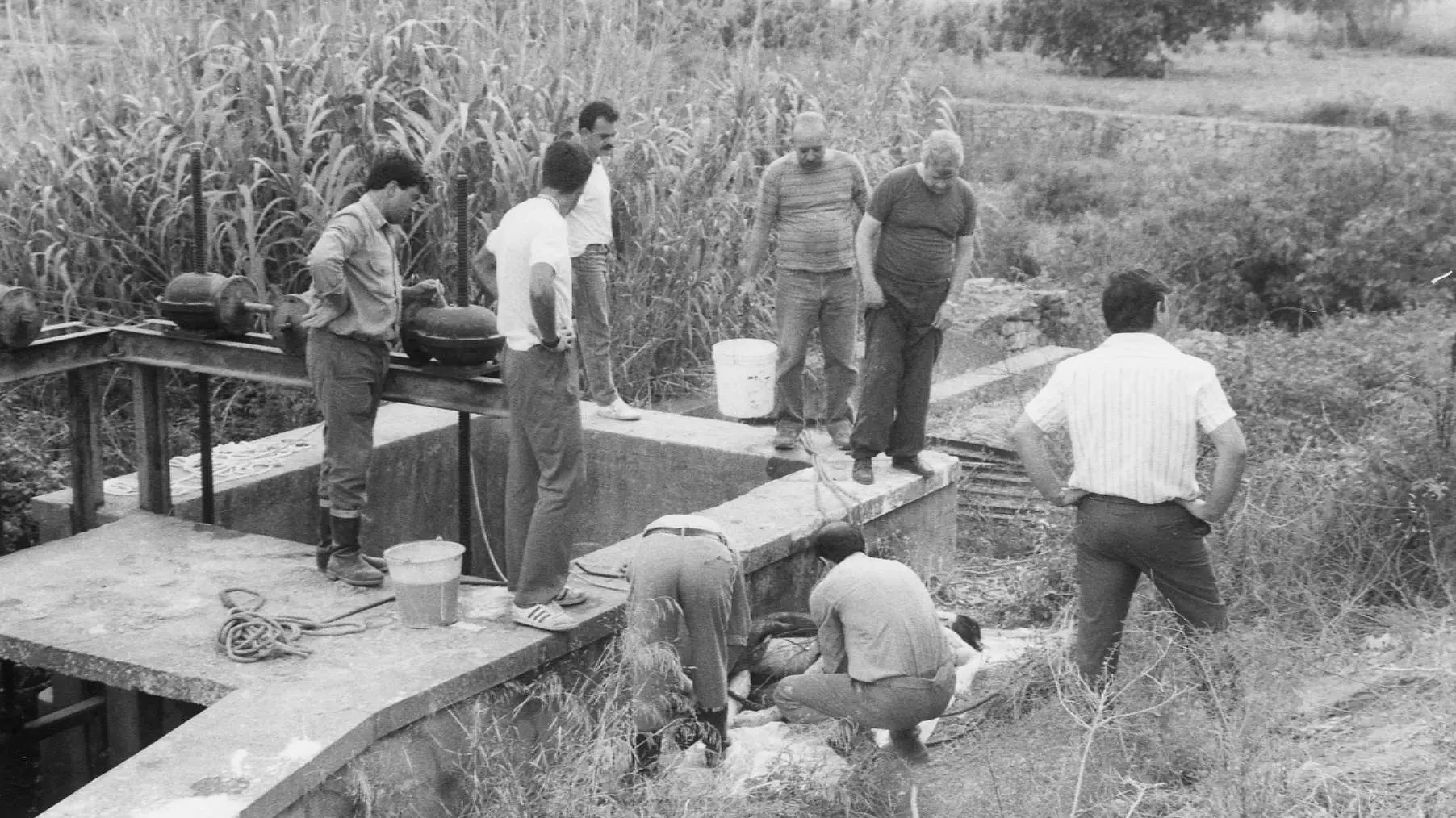


"I'm afraid of ending up like Gisella. Like her, I too have fallen into the hands of people who have me firmly in their grip. I have the possibility of nailing many people and even two of Gisella's murderers. I am willing to confess and report if other girls do the same." The letter that a young woman wrote to L'Unione Sarda in the days when Carbonia was overwhelmed by the news of the brutal murder of Gisella Orrù ended with the appeal "Hurry up." It was July 7, 1989 and the discovery of a woman's body had put an end to the search for the young student who, nine days earlier, had not returned home to her grandmother. For that death, preceded by sexual violence and a terrible execution, two people were sentenced to thirty years in prison but for many that sentence was not enough and even today people are asking for light to be shed on "the other truth" that has never emerged.
The doubts
Licurgo Floris, acquitted in the first instance and convicted on appeal and in the Supreme Court, killed himself in prison, shouting his innocence until the end. The other convicted man, Tore Pirosu, (the “uncle Tore” friend of Gisella’s family who had his sentence reduced for collaborating with the investigation) disappeared into thin air after being released from prison under a pardon. Escaped or killed and made to disappear? Nobody knows. In all these years – 35 have already passed since that cursed 7th July – few have believed that the story is over with Floris and Pirosu: «Too many truths kept hidden, too many silences. – says Clorinda Orrù, sister of Gisella’s father – Talking about her, even after thirty-five years, causes immense pain, but if it can help bring out the truth about her death then it is right that we talk about it. Because what happened in those days has never really been revealed and our appeal, today as then, has not changed: those who know, speak up». What has made this story that no one has ever forgotten relevant again is the book “La donna nel pozzo” by the Cagliari writer Pierluigi Pulixi, in bookstores for a few days. Pulixi was inspired by Gisella’s case to tell a story that, in the writer’s imagination, reaches a decidedly different ending: “I have no new documents or unpublished confessions – Pulixi began in recent days – but I believe that Gisella’s family and the entire city deserve to know how things went”.








