

Are we at risk of not having enough food resources to support a constantly growing population? The data experts must grapple with to answer this question is that population growth over the last two centuries has been dizzying compared to the past . For example, in 1800 alone the world population reached one billion people. By 1928, the Earth's population had already reached two billion, rising to four billion in 1974 and eight billion in 2022. According to estimates , at this rate of growth, we are destined to reach over 11 billion by 2100. This population growth has been supported by progress in agriculture and livestock farming, which have become increasingly productive and technologically advanced. The data tell us of the great successes achieved by the agri-food sector, capable of producing food like never before in history. In 1920, more than 90% of the world's population (approximately two billion people) lived in extreme poverty. Today, this percentage has fallen to 10%, despite a population that has quadrupled. Yet these results are rarely discussed, while much emphasis is placed on exposing the dark side—which exists, no one wants to deny it—of industrial food production: loss of productivity on much of the land, desertification, water shortages, chemical pollution, and the disappearance of biodiversity . Of course, the leading culprit is the increase in global meat consumption. To support livestock farming—this is the prevailing mantra—forests are destroyed, and the land must produce huge quantities of soy and grains, which, instead of being used for human consumption, are used to feed animals. Finally, the livestock sector consumes enormous quantities of water and is responsible for the release of equally enormous quantities of greenhouse gases.
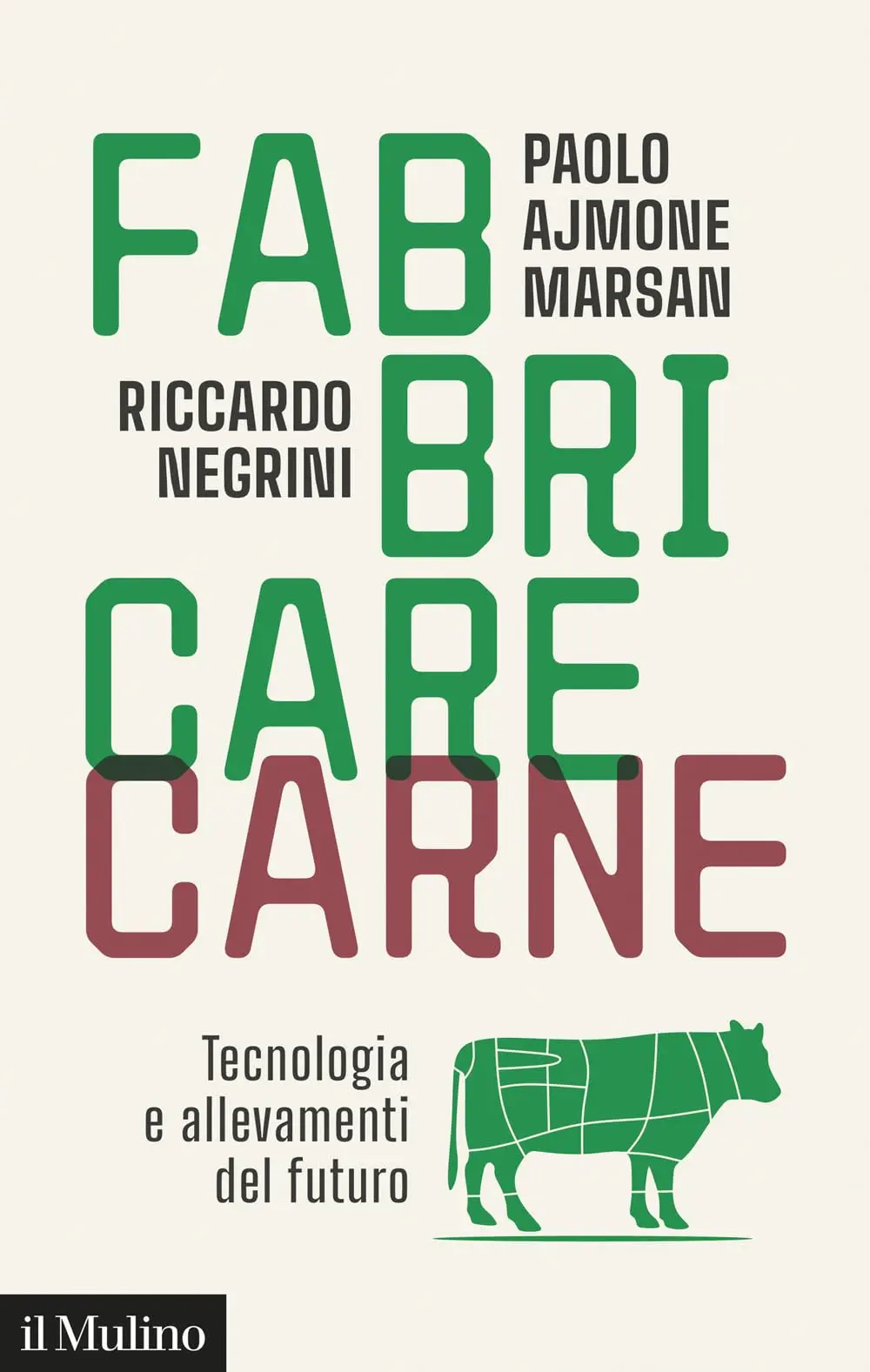
The book Fabbricare carne (il Mulino, 2026, pp. 192, also available as an e-book) starts from these clichés about livestock farming to address the complex issue of industrial meat, milk, and egg production through the language of science, with a focus on sustainability and technology in tomorrow's food.