

In the Gaza Strip, Deir al-Balah represented one of the last corners spared from destruction. Streets were still passable, buildings not yet reduced to rubble, a seeming respite from the chaos.
It was there, a few months ago, that Hamas staged a final showdown: hooded militants, a gathered crowd, and hostages handed over in a theatrical ritual to the Red Cross. A desperate attempt to demonstrate that, even after the death of leader Yahya Sinwar, the group still had a voice and power.
But that gesture became the pretext for the most serious offensive. At dawn yesterday, Israeli forces entered Deir al-Balah. First came loudspeakers ordering the evacuation—defined by the United Nations as a veritable deportation—then came tanks and artillery. Thus began yet another phase of the Israeli operation aimed at the total eradication of Gaza.
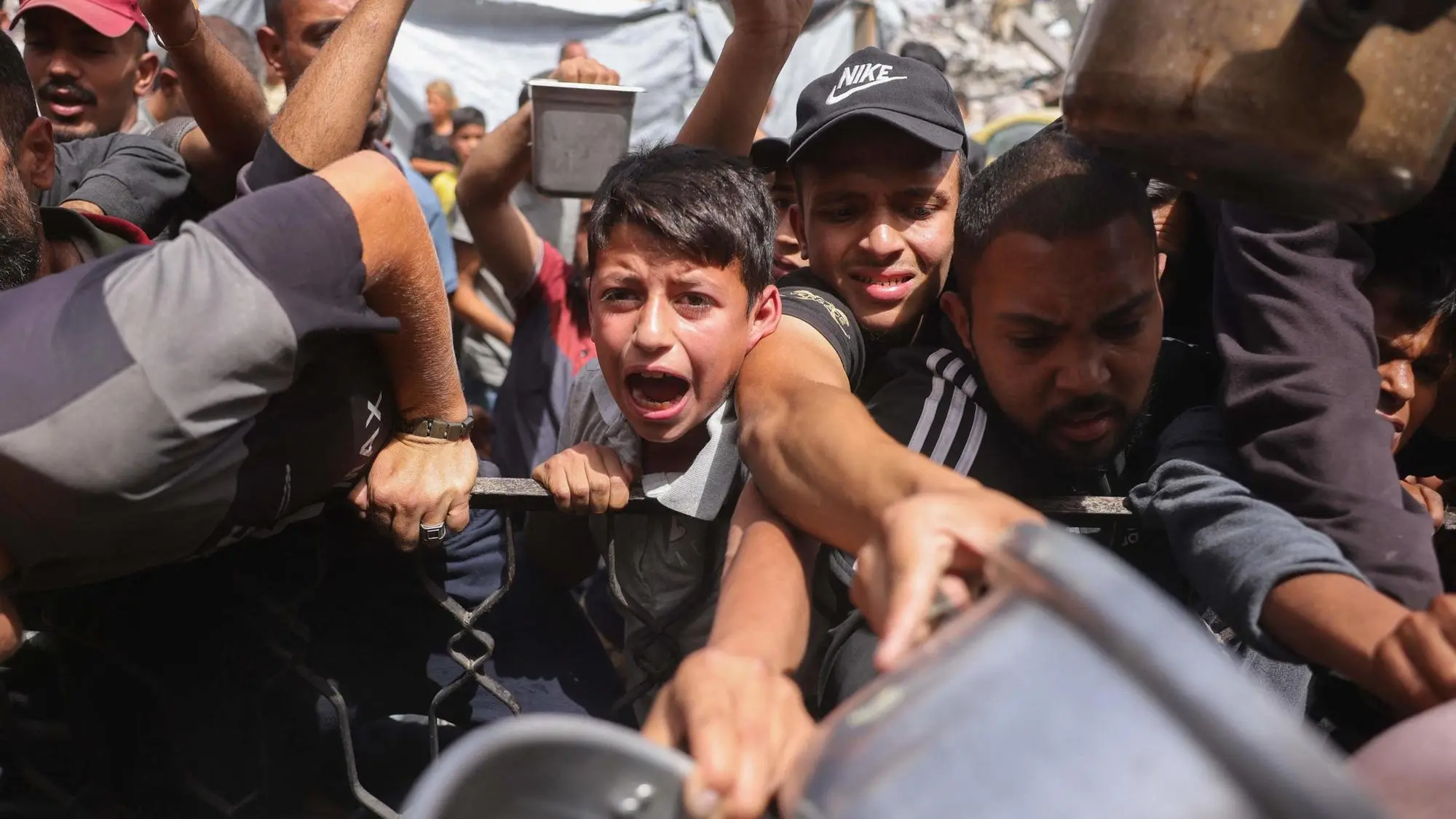
Many residents, forced to flee, have reached makeshift camps where water and food are now a mirage. Others, however, have remained, unable to move again.
Meanwhile, Tel Aviv is justifying the attack as a mission to free the surviving hostages. But the families of the Israeli prisoners have launched a harsh indictment: "The government is knowingly putting the hostages' lives at risk," the Family Forum denounces. "No one will be able to pretend they don't know any longer."
Until yesterday, Deir al-Balah was considered a red zone, an area that should not be targeted precisely because of the suspicion that live hostages might be held there. But the bombs arrived anyway. According to Palestinian sources, at least three people from the district were killed in the initial attacks.
Italy has also expressed alarm over the escalation. Several Italians, active with humanitarian organizations, are in the area. Foreign Minister Antonio Tajani has called for an immediate halt to hostilities.
But in Gaza, the danger doesn't come only from the bombings. Dr. Fidaa al-Nadi, one of the few doctors left at Nasser Hospital, recounts another daily tragedy: "Every day we lose one or two children to malnutrition." Yesterday, three-month-old Yahya al-Najjar died. His mother, now depleted of strength, was unable to feed him. Formula milk has been missing for some time. International aid workers are speaking of an unprecedented humanitarian crisis.