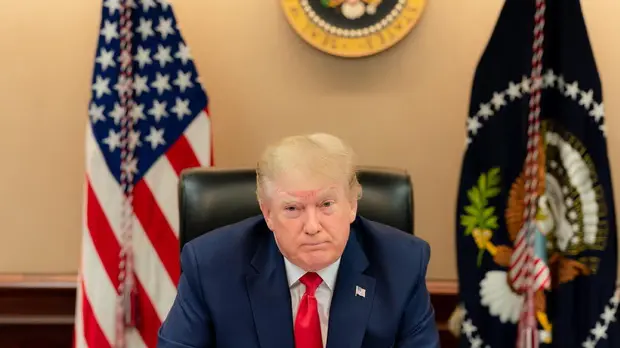


With Donald Trump, the so-called pendulum politics may have found its most tangible expression: it swings frequently, and with unsatisfactory results, between different positions, alliances, or opposing orientations depending on the convenience of the moment, the balance of power, or external pressures.
Whether this is a deliberate strategy is difficult to say, and it likely isn't in the long or medium term. "Suddenly" is probably the temporal shift that best represents it. Tuesday, November 3, 2026, however, doesn't arrive suddenly, and American voters will be called to the polls to renew the federal Congress. On the horizon at the midterms are the 435 seats in the House of Representatives, the 35 in the Senate, and the 36 governorships in as many states. But it certainly doesn't end there: the vote, however cast, will inevitably crystallize an index of approval for Donald Trump's policies.
A potential, and highly probable, defeat would turn him into a "minus" in his final two years in the White House. Once his term expires, he will no longer be able to run for office, as is well known. To put it more bluntly, and without mincing words, the real risk is that the Republican Party will lose control of Congress. The consequence of this is that, if Democrats were to secure majorities in both the House of Representatives and the Senate, Donald Trump would have to govern during the final two years of his term with a Congress heavily controlled by the opposition. This would make it extremely difficult to pass certain legislative initiatives and would allow Democrats to exert greater control over the Executive Branch.
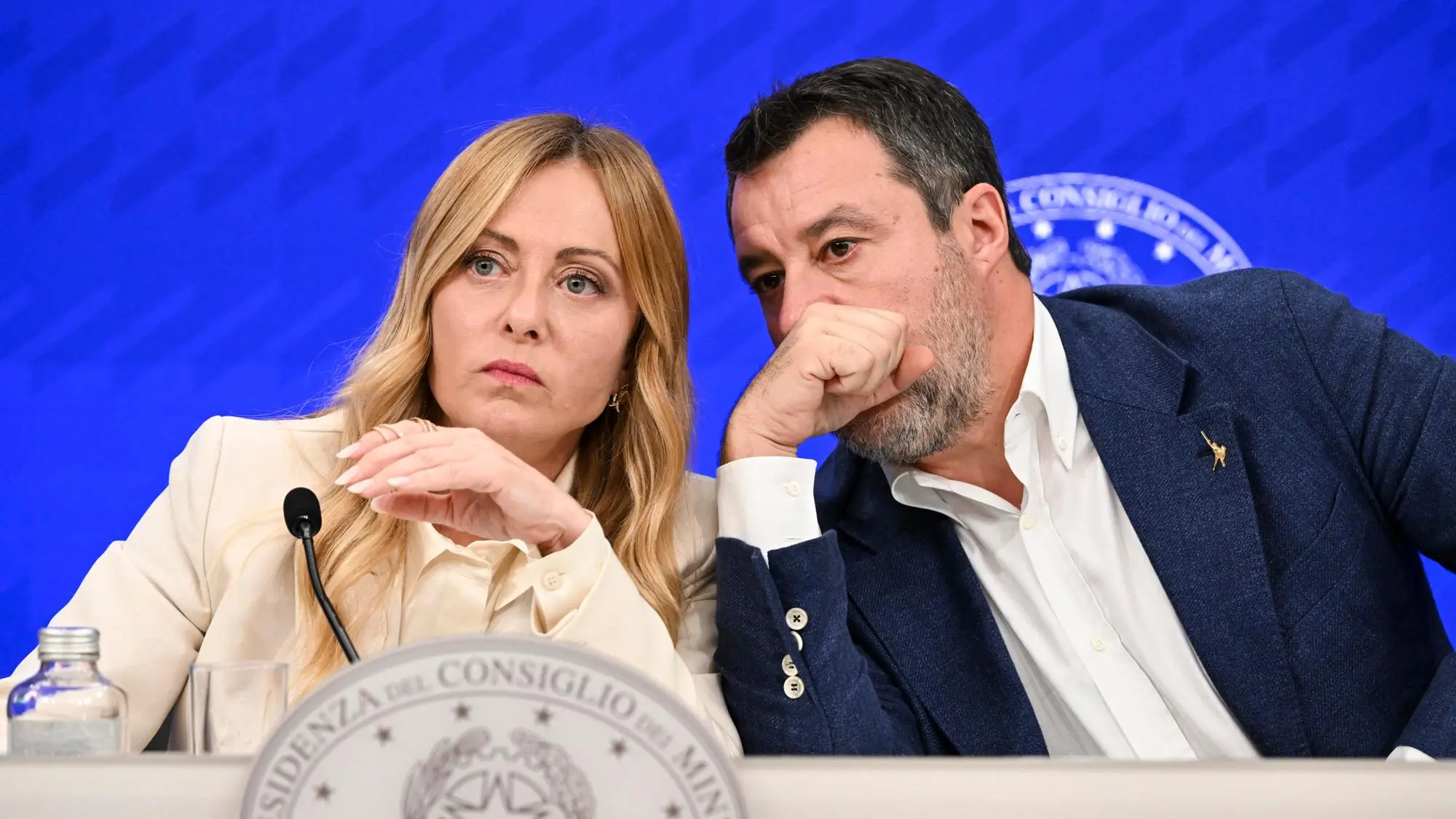
While it's difficult to even argue that the current White House incumbent will likely be removed from office, Trump's removal would not automatically lead to the departure of all members of his government nor would the Democrats assume the presidency, which would likely be handed over to J.D. Vance. What's important is that Donald Trump's second term has weighed heavily on historic alliances, including Italy, which generally over the years appear to have even shaped domestic policies based on overseas fluctuations and, in the current context, appear to have influenced economic and political/international instability. It might not be wrong to argue that even the Meloni government has suffered negative repercussions from its "friendship" with the current American president. Perhaps to the point (the doubtful formula is in order) that determining whether he will be re-elected, as desired by those who voted for his majority parties, is far from simple.