

Thousands of pages of documents, hundreds of photos and videos, a lengthy phone book of nearly 100 pages, and most importantly, the redacted names of 1,200 young women abused by Jeffrey Epstein and his associates. Just hours before the deadline set by the US Congress in November, the Department of Justice published the files on its website relating to the case of the pedophile financier who committed suicide in prison in 2019.
A "comprehensive library on Epstein," as the dedicated page has been called, where the documents are divided into various categories: court documents from criminal and civil cases; documents released in compliance with the law passed by Congress and signed by Donald Trump; material released following access to public records requests; and documents from the House Oversight Committee. A huge amount of material that, at a preliminary analysis, as confirmed by the words of Deputy Attorney General Todd Blanche, appears heavily censored.
“In addition to redacting the names of the victims, we have also redacted and are not releasing any material that could lead to their identification,” Pam Bondi’s deputy wrote in a statement to American media.
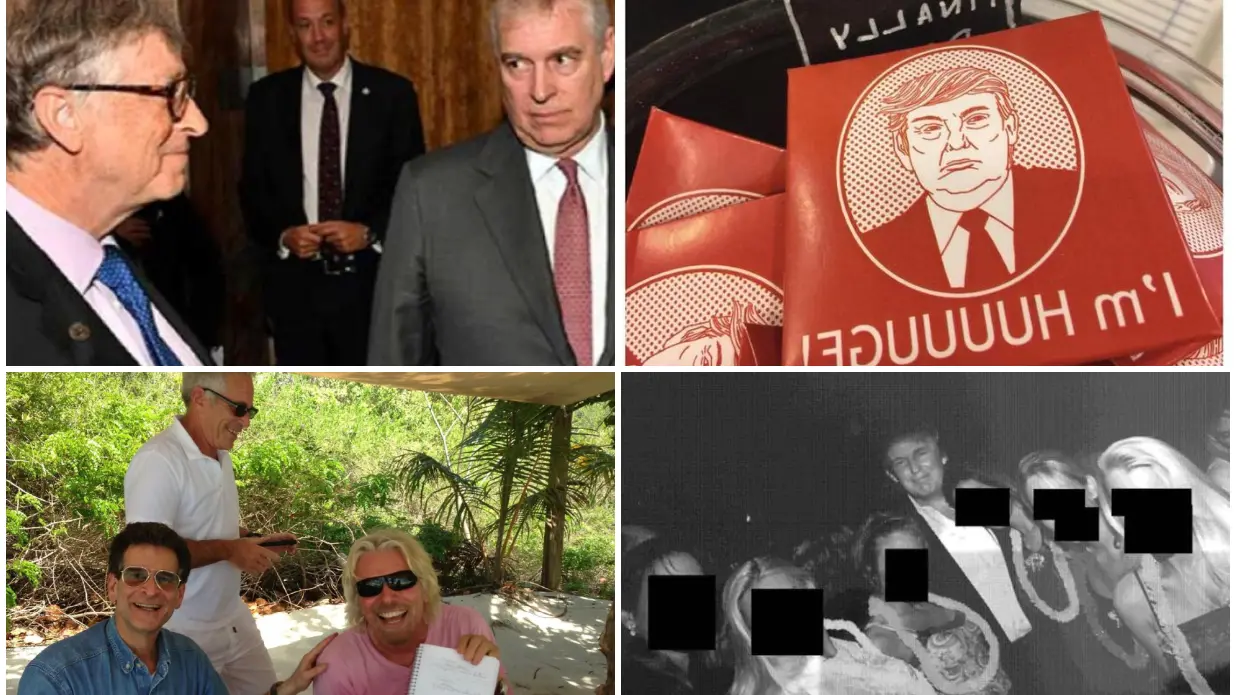
The files also contain hundreds of photos, many never before seen . They include shots of Epstein and his accomplice Ghislaine Maxwell on vacation, several with Bill Clinton, one in a pool, one with Michael Jackson, and another with Richard Branson. And then a new shot of Prince Andrew lying on top of five girls. Media outlets note that the images were published without any context and are therefore difficult to interpret. The former Democratic president, in particular, appears in one photo shirtless in a hot tub with a person whose face is covered. In other photos, Clinton is immortalized swimming in the pool near Maxwell; there is also another person with their face obscured. Some images are of homes, but it is unclear which of the former financier's are those.
Among the papers are also thousands of documents and some censored telephone recordings, which, however, make it impossible to determine who is speaking to whom. It's also difficult to search by name, since most of the documents are in PDF format.