








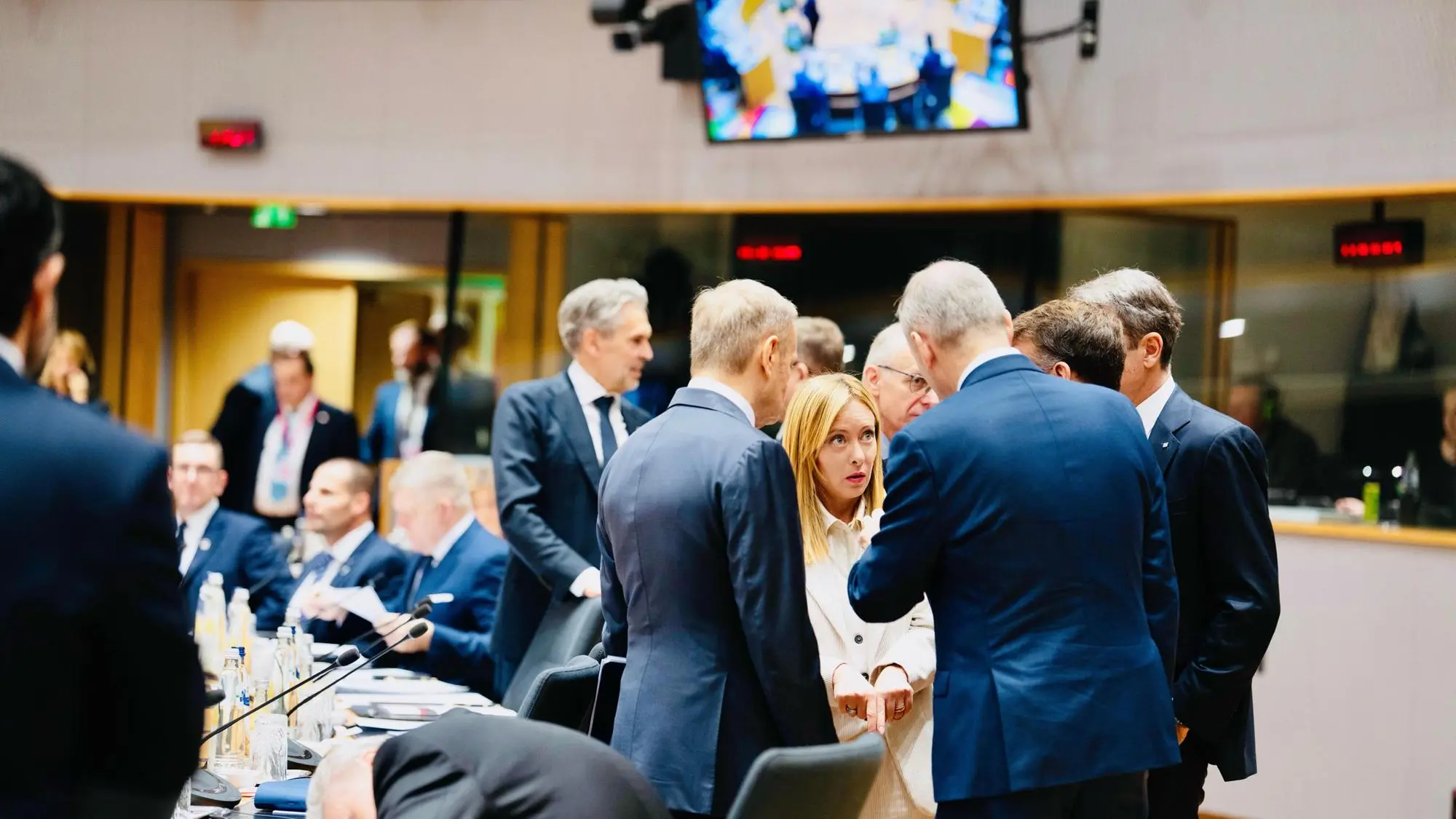


Ursula von der Leyen and Friedrich Merz's approach to using Russian assets is failing. But at the end of one of the longest and most delicate summits in recent memory, Europe reached a unanimous agreement and chose to support Kiev for 2026 and 2027 with a €90 billion loan, through joint debt .
In the words most frequently used by leaders, "common sense," "pragmatism," and financial "stability" prevailed.
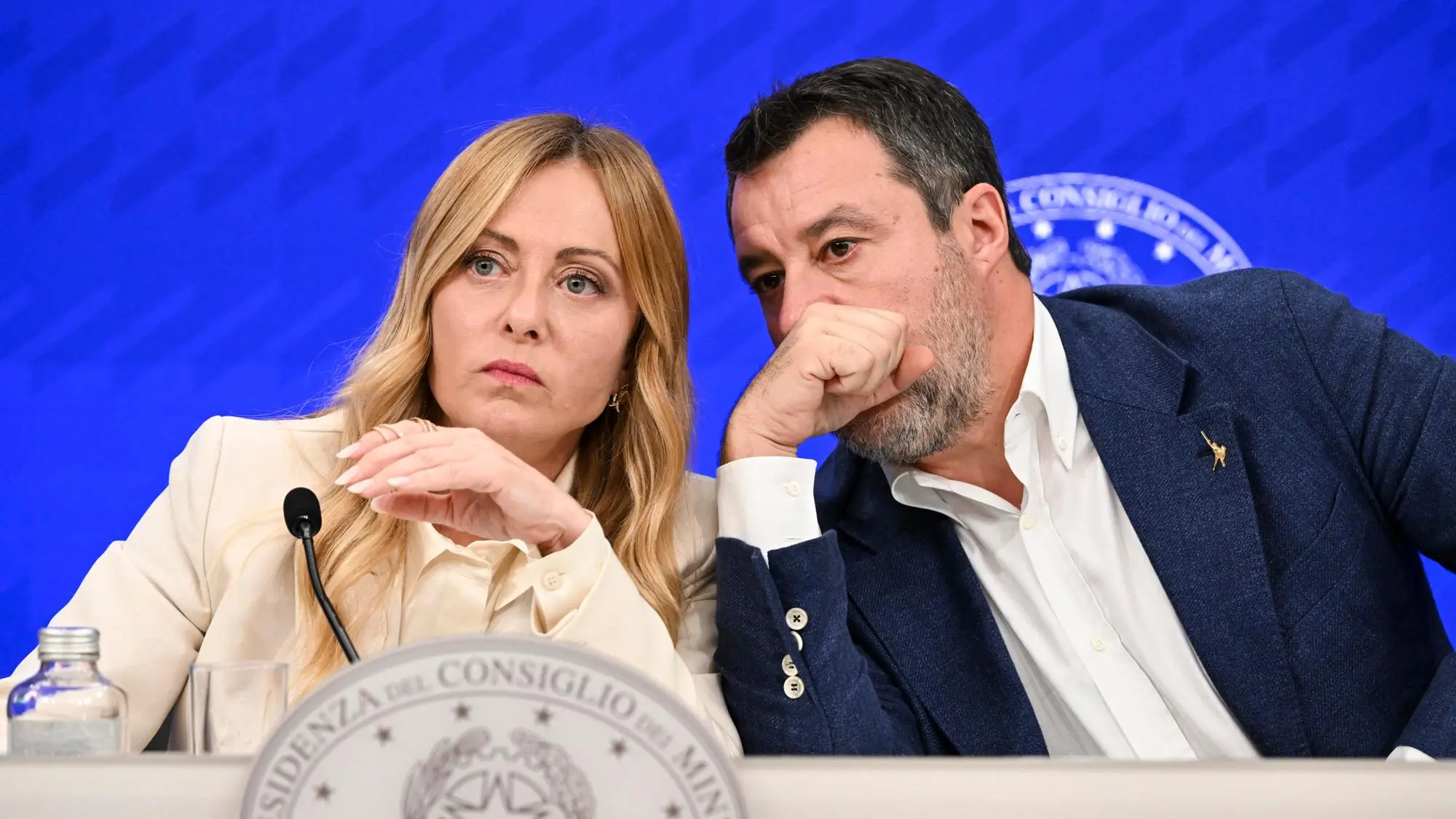
"Common sense has prevailed," exulted Prime Minister Giorgia Meloni, who until the very end held back the idea of using Moscow's frozen assets .
The summit had been prepared so that, while the heads of state and government of the 27 discussed issues currently considered less central, negotiations on the use of assets between the European Commission and Belgium would continue in an attempt to find a compromise on the major issue of guarantees.
By dinnertime, however, one thing began to emerge: the Russian assets track would lead nowhere . Belgian Prime Minister Bart De Wever showed no signs of giving up. The concerns of countries like Italy, Bulgaria, Malta, and the Czech Republic remained intact. Viktor Orban and Robert Fico, meanwhile, continued to work sideways to undermine the solution that would have sparked Moscow's ire.
At that point, Plan B gained traction on the table of the 27: a €90 billion loan financed on the capital market with the guarantee of the MFF, the EU's multiannual budget . Such an agreement, however, required unanimity. And that's where the second twist occurred: Prague, Bratislava, and Budapest said they were willing to vote on the agreement, provided they had the option of opting out, meaning not participating in the loan for Kiev .
Late that night, the 27 met and reached an agreement in less than an hour. The frozen Russian assets will remain frozen until Russia pays compensation to Ukraine . And if it fails to do so, the EU says it is ready to use those same assets to repay the loan, in accordance with international law.