

The ongoing discussions in European countries, particularly in France, about the possible sending of a contingent to Ukraine represent "an absolutely dangerous trend".
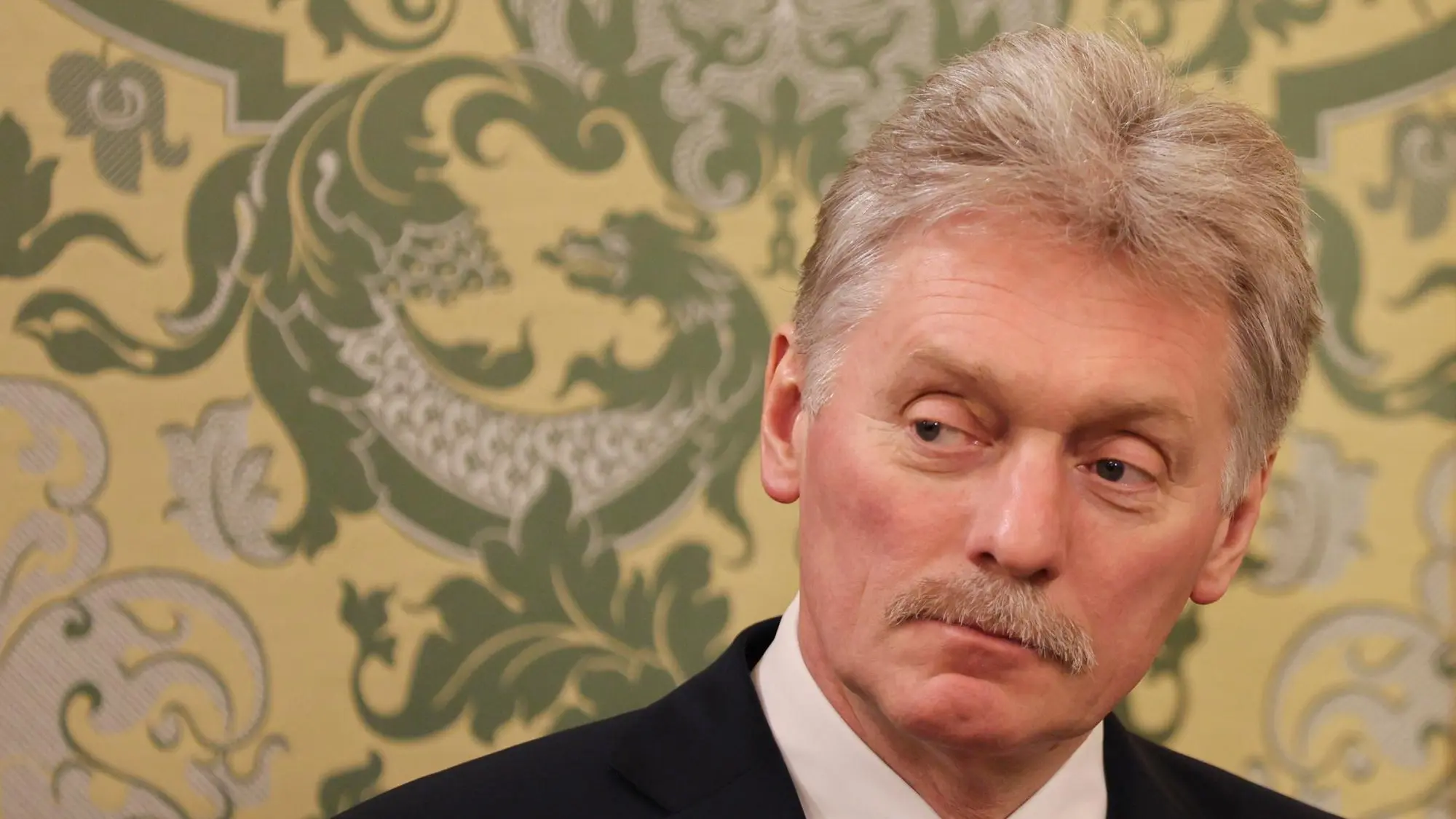
Kremlin spokesman Dmitry Peskov said this. Sending troops from NATO countries will create "additional root causes of the conflict," the spokesman added, quoted by Ria Novosti.
Meanwhile, Peskov confirmed that Vladimir Putin and Donald Trump will have a telephone conversation tomorrow. Russia and the United States are on the path to restoring bilateral relations, he added, and the telephone conversation scheduled for tomorrow between the two presidents is an important step. "We are moving forward on the path of reactivating our bilateral relations, restoring various ways of dialogue at different levels," Peskov said. "This is a very important step that sets the tone for the rest of the movement."
Trump himself is accelerating the truce in Ukraine, trusting in an upcoming declaration of peace. "We have a very good chance of ending this war," the American president declared aboard Air Force One, showing optimism despite the Kremlin leader not having yet lifted his reservations about the one-month ceasefire proposed by the United States and already accepted by Volodymyr Zelensky. Indeed, Putin has so far held back, outlining a series of conditions, including the suspension of Ukraine's rearmament and Western military aid.
"We worked hard over the weekend," explained The Donald, who spoke of "progress" in the negotiations. Spokeswoman Karoline Leavitt reiterated that "we are a few steps away" from an agreement. "We have never been closer to peace than we are right now: we are in the last 10 yards. And the president, as you know, is determined to reach an agreement," even going so far - according to some sources at Semafor - as to the recognition of Russian Crimea. "We will talk about lands, which as you know are very different from what they were before the war, and we will talk about power plants," the commander-in-chief specified in response to a question about the "concessions" needed to reach an agreement.