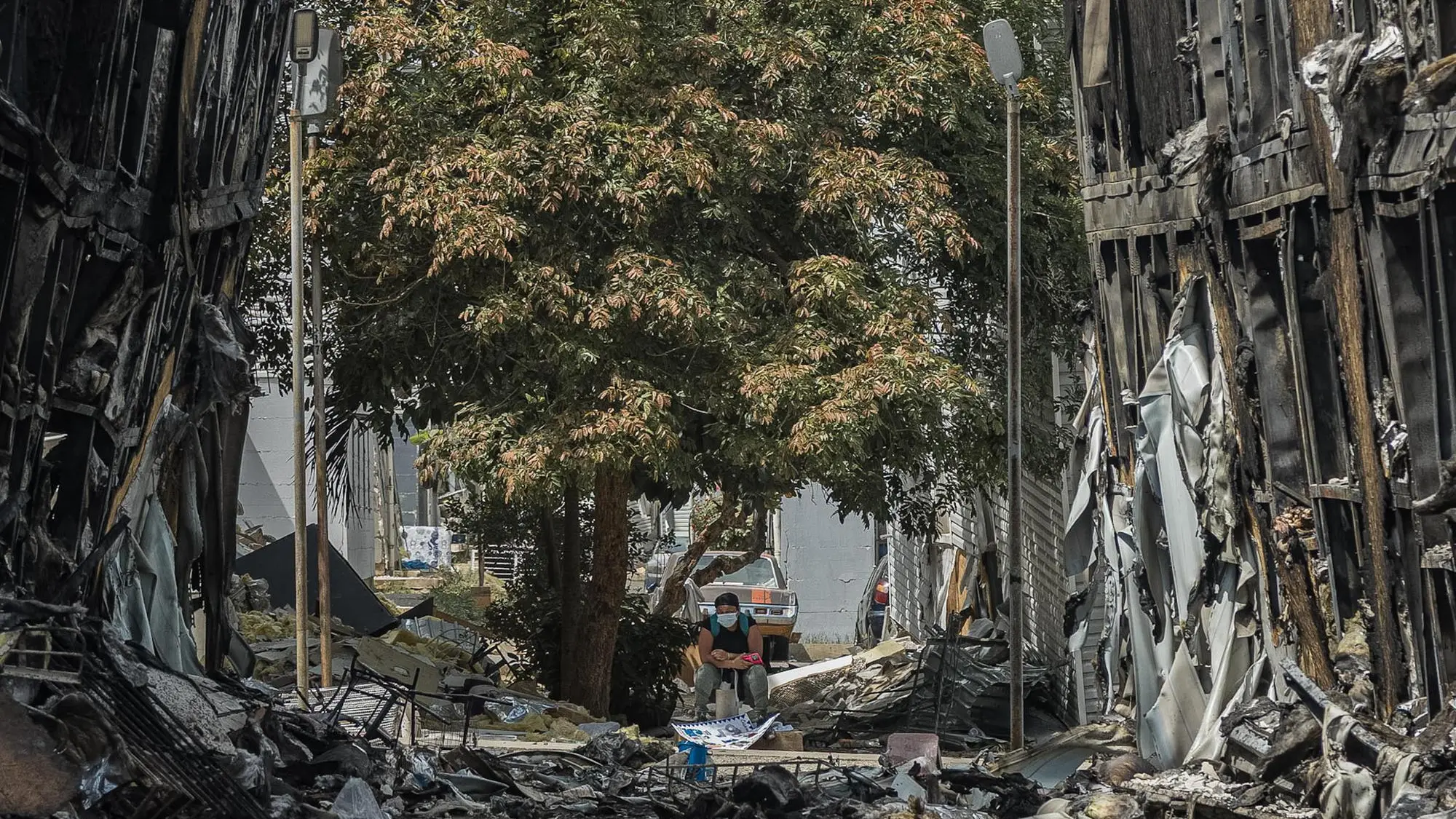


"Over 25,000 people are working to save lives. We are facing crucial hours. The death toll has risen to 1,450, with 3,150 injured and 764 buildings damaged ," said Jorge Rodriguez, president of the Venezuelan National Assembly. Meanwhile, with the death toll rising hour by hour, the situation remains dramatically divided. Literally. The earthquake four days ago cracked the asphalt , leaving deep cracks on the seafront, littered with debris from hundreds of collapsed buildings. From a quiet seaside town, La Guaira has become a symbol of the Venezuelan tragedy . What remains of the apartment buildings and hotels, with names that evoke the calm of the waves and Caribbean paradises, are destroyed signs or, in the worst cases, masses of steel and masonry.
But now, further complicating a situation that's becoming more desperate by the day, the alarm has been raised about looters . Just as zamuri—Venezuela's typical birds of prey—feast among the roadside garbage, criminals dig through the rubble, stealing everything from clothes to safe deposit boxes . "They often pretend to be volunteers or rescuers so they can enter cordoned-off areas," locals say. "They're active not only at night, where walking around is extremely dangerous, but also during the day, in broad daylight." The main target is obviously the poorest neighborhoods, where residents can't afford to hire private security guards. So they themselves guard what's left of their homes, sitting on makeshift chairs waiting for someone to come and help them.
"A few days ago, some people came here on motorbikes and broke into our homes," said a woman in Catia La Mar, one of the hardest-hit areas of the city. "When we approached, we found them even trying on some clothes found inside the apartments. I wonder how it's possible to exploit such a tragedy for personal gain." Looters also target shops destroyed or damaged by the earthquake. All along the street are closed, but it's not uncommon to encounter armed security guards outside. Four days after the disaster that devastated Venezuela, La Guaira is thus facing one of the country's greatest tragedies. What is considered the "sea of Caracas," where residents often had second homes, has been transformed into a