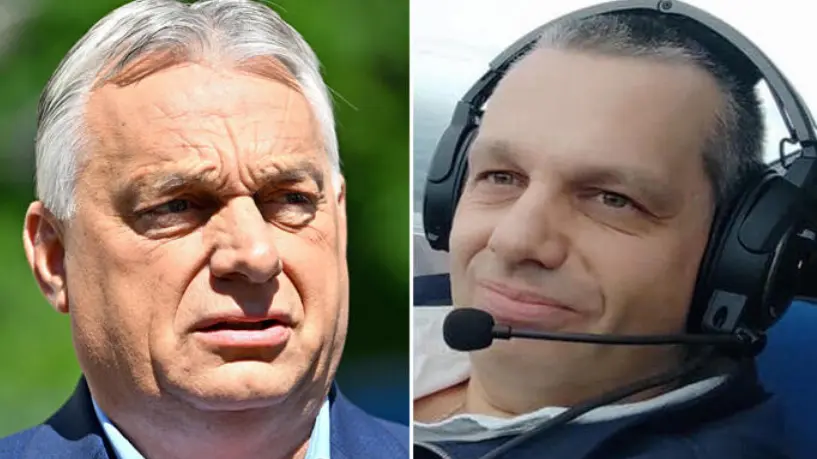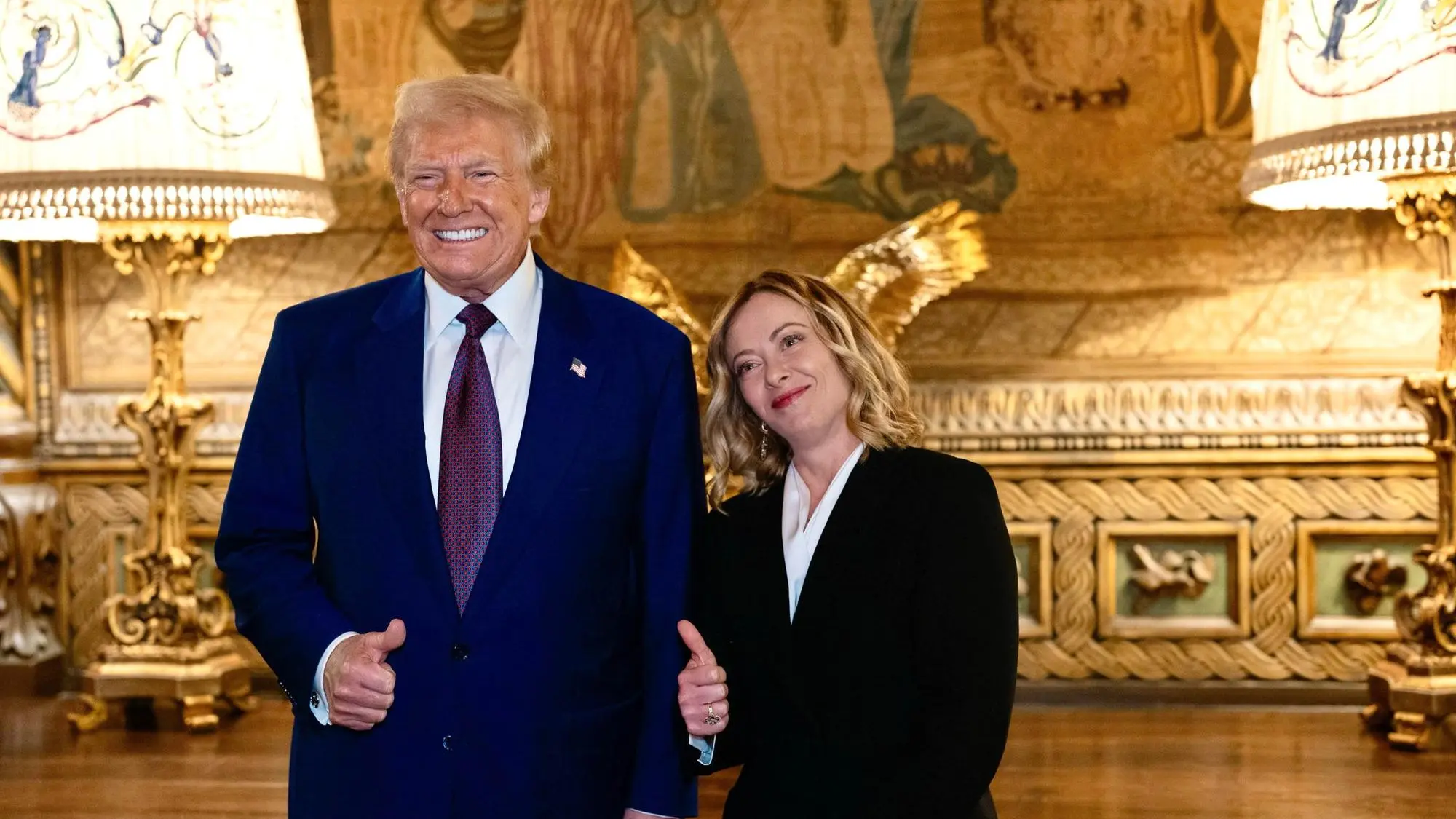


A shared vision of migrants, sovereignist reflexes, and a shared intolerance for woke culture. On paper, a near-perfect fit. Then something went wrong. "Clearly, I thought things would be easier with Donald Trump, given our convergence on immigration and woke culture. Things turned out differently," admits Meloni, called upon to gauge the distance between the two sides of the Atlantic after months spent embodying the natural bridge with the fickle White House occupant.
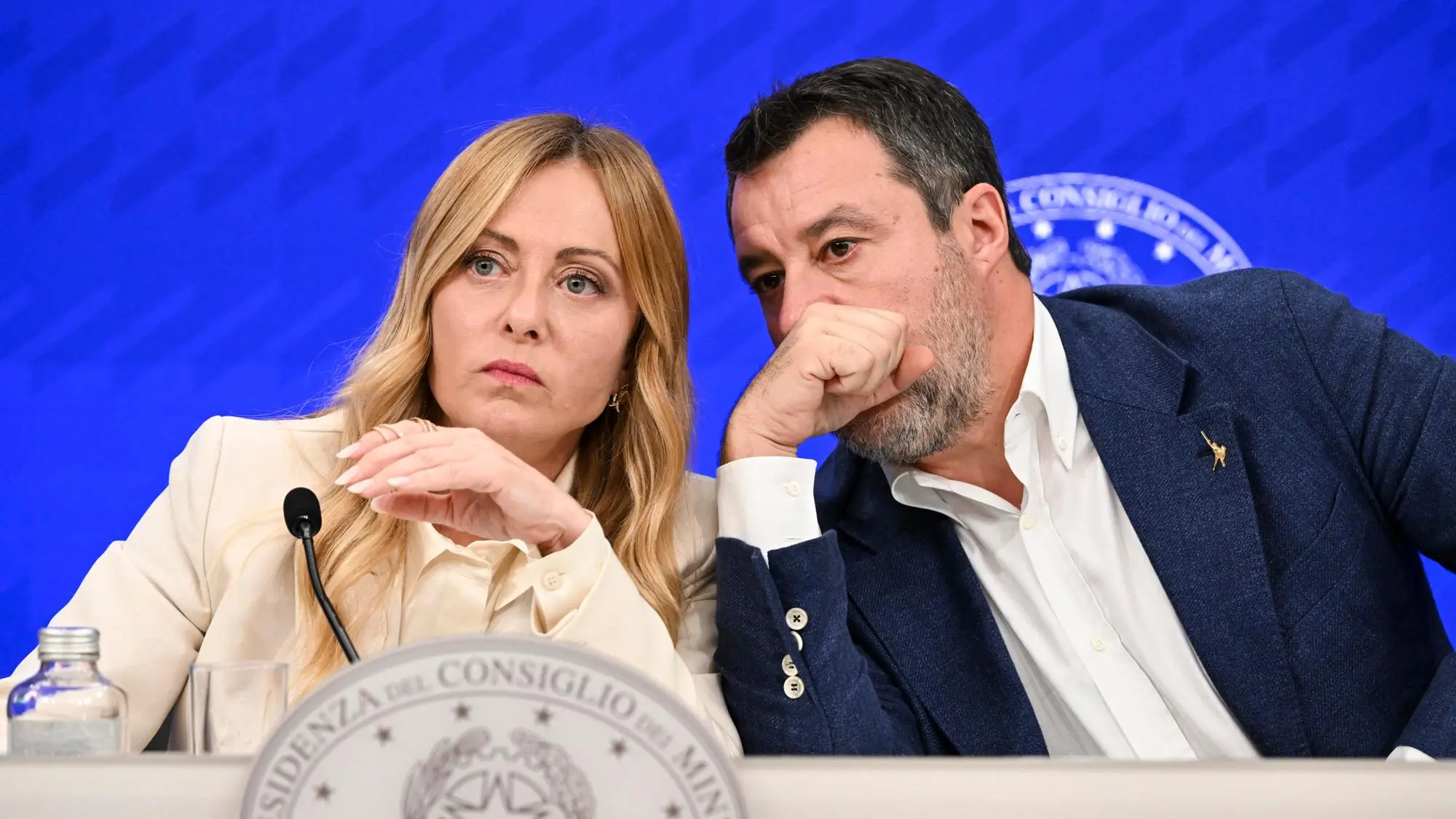
This reflection emerges from the lengthy portrait of the prime minister that the New York Times dedicates, by its Paris bureau chief, Roger Cohen: a journey designed to show American readers how Italy has changed in the nearly four years of the Brothers of Italy leader at Palazzo Chigi, published on the eve of the historic milestone of the Republic's longest-serving government. The American paper describes the trajectory from the post-fascist right to the heart of European politics through the lens of a "calm and combative" Meloni, ironic and fierce, even capable of joking about her own fate: "I should have done theater. Think how much more fun I would have had." The stage, instead, has become that of international politics. And the most influential co-protagonist is the tycoon. The last conversation between the two dates back to June 17, at the G7 summit in Evian. Then came the rift, when The Donald told La7 that he had been "begged" by the prime minister for a photograph together, adding that he accepted because he "felt sorry" for her.
The response came quickly: "Trump's statements are completely fabricated. I'm frankly shocked. Italy and I never beg," Meloni responded in a harsh video, drawing the solidarity of her European partners gathered in Brussels. Two months later, the Prime Minister puts those fragments into a broader context. Without changing her mind: "I continue to believe that Western unity is very important." But she draws the line between political affinities and national interest: "I don't decide Italy's strategy based on my personal relationships." A posture that goes beyond her relationship with the White House occupant and welds Meloni's political biography to the narrative of the country. The girl who joined a right-wing party at 15, then on the margins, becomes, from her perspective as a now former underdog, proof that Italy too can overturn the odds, ceasing to consider itself the least important among the great powers. "I don't like the idea of a submissive Italy, an Italy that considers itself inferior to others," reflects the prime minister, pointing to the "revolution of pride" as "the greatest that could happen in this nation."