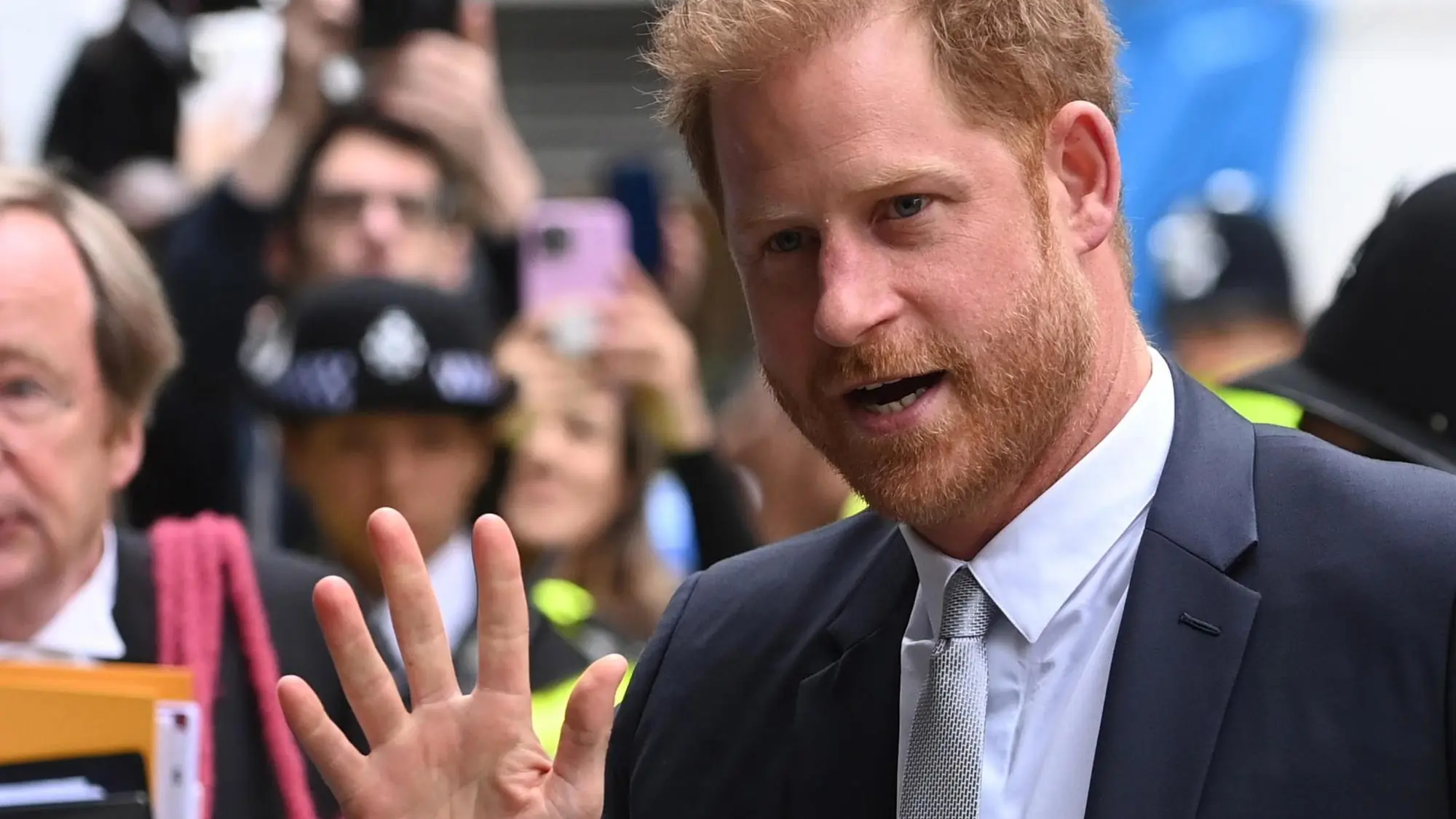


No bodyguard for rebel Prince Harry. The Court of Appeal in London confirmed this, rejecting the appeal against the decision taken at the time by the British Home Office to revoke the automatic right to police protection for him and his family during visits to the United Kingdom, following his renunciation of the active role of senior member of the House of Windsor. The lawyers had raised the possibility of discrimination against the second son of King Charles III and the late Lady Diana compared to other royals. The negative outcome risks distancing him even more from the rest of the Royal Family after the 2020 rift.
The ruling was read live on TV by Sir Geoffrey Vos, president of a three-judge panel, in the presence of the legal teams of the two parties. The Duke of Sussex, who had attended the two appeal hearings in April, remained in the US this time, at his home in California. Vos acknowledged Harry's reasons from a human and individual point of view, underlining how the protection status of the cadet prince has in fact been modified in an unprecedented way by the body of the Home Office called to deal with the protection of the royals; and how he has been relegated to inferior treatment compared to other family members of his rank.
However, he added that these reasons are not enough to support the legal challenge of the measure, adequately motivated in his words - at least from the formal point of view examined today - following Harry's decision to abandon his permanent residence in the United Kingdom and the consequent renunciation of active public commitments of representing the monarchy . Even more so since the ministry has assured that protection will be guaranteed on a case-by-case basis, based on its own assessment of any dangers, every time the duke visits the island: alone or with his wife Meghan and their children Archie and Lilibet. Hence the confirmation of the previous verdicts in favor of the Home Office's reasons, issued in the first instance at an administrative level and then by a High Court judge who had already charged the prince with the payment of legal costs.