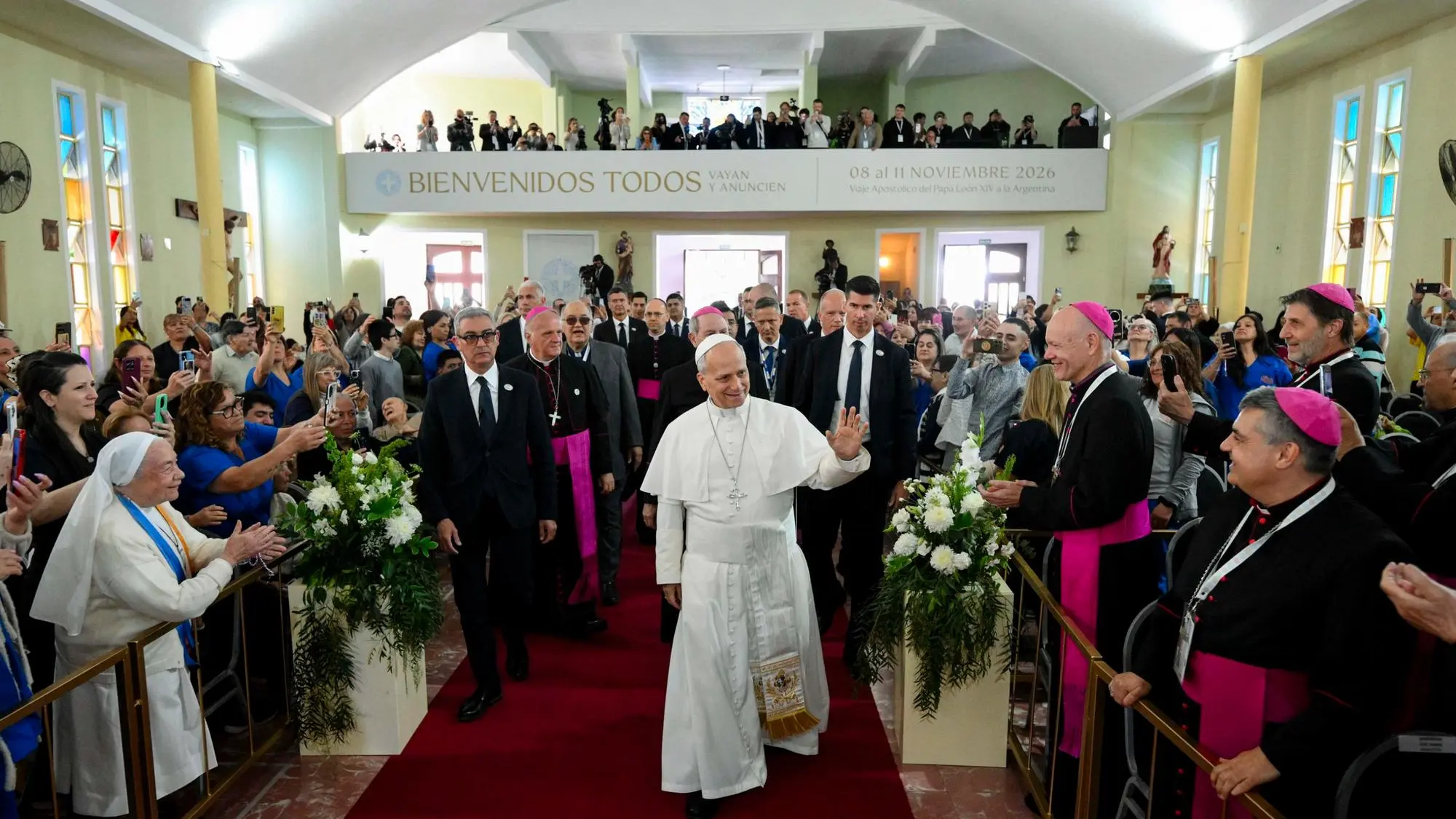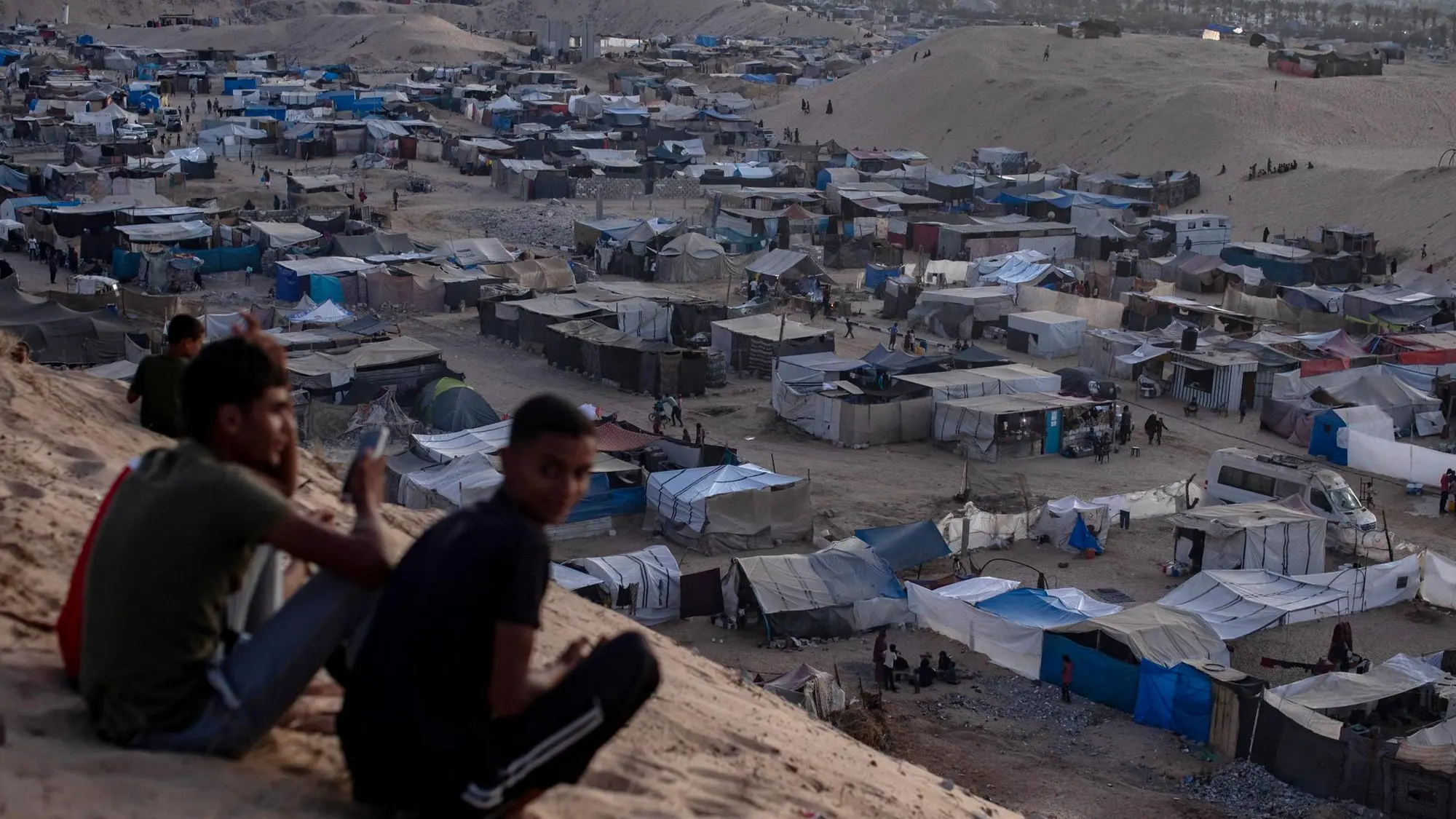


During the Angelus for the Feast of the Assumption of Mary, Pope Francis wanted to launch an appeal for the "very serious humanitarian situation" in the Strip, expressly asking to "follow the paths of negotiation so that this tragedy ends soon", and underlining, moreover, that "war is a defeat".
Heartfelt and fully shareable words from Pope Francis, which should be translated into practical action as quickly as possible. The conflict that has been going on for months now in the Middle East does not seem to have failed, and does not seem to fail, to determine multiple fragmentations, ideological differentiations and positionings within our European macro-dimension: both on the social level directly attributable to the daily life of the citizens of the various Member States, and on the level of the reference institutions, within which, with good verisimilitude, it would seem to be still perhaps lacking a common position on the level of political direction.
First of all, because even today, as highlighted by several parties, there would seem to be differences of opinion regarding the potential European action to be carried out in relation to the current Middle Eastern crisis. Then, because the ongoing war context would seem to have contributed to highlighting the probable weakness of a common foreign policy that was, and is, capable of having a decisive impact on the fate of the Israeli-Palestinian conflict. Finally, because the contingent war circumstances would seem to risk, in their development, undermining the credibility of the Union itself, calling into question its role on the geopolitical level in the same region affected by the conflict.
The so-called two-state solution of a practical nature and of unquestionable political common sense has long been supported, and continues to be supported today, accompanied by the commitment of the European Union to promote every best and useful condition to guarantee lasting peace. But, could the sudden and unpredictable evolution of the conflict, at the present stage, still today make it practicable in practice to implement the compositional solution reflecting the contextual and inalienable right to the very existence of all States, and to the self-determination of Palestine?