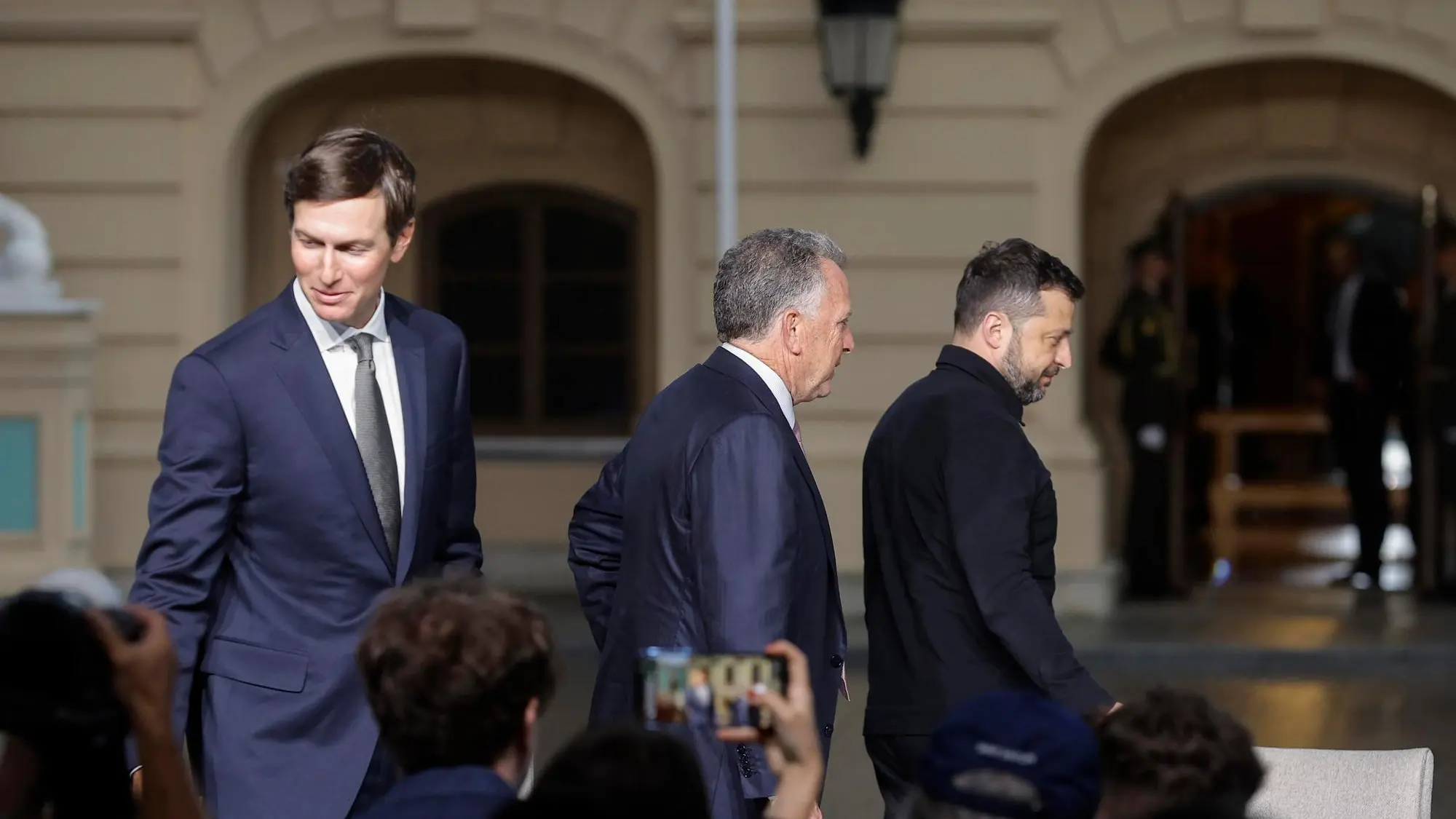


In a surprise move, Donald Trump canceled the trip of his envoys Steve Witkoff and Jared Kushner to resume talks with Tehran in Islamabad. The president made the announcement to Fox News and Axios shortly after Iranian Foreign Minister Abbas Araghchi left the Pakistani capital for Muscat, where he met with Prime Minister Shehbaz Sharif and Army Chief Asim Munir, delivering a "comprehensive" response from Tehran to the American conditions and Pakistani mediation proposals. The response evidently does not substantially shift the Islamic Republic's position, which had reiterated its refusal to give in to US "maximalist demands." However, speaking to reporters, Trump said that "the document Iran proposed to us wasn't enough. Strangely, ten minutes after I canceled my envoys' trip to Pakistan, they sent us another."
The cancellation of the mission is yet another sign that the two sides are far from reaching an agreement , despite the White House speaking of "progress" on Friday when announcing Witkoff and Kushner's departure. Trump explained to Fox News that it was pointless to undertake such a long trip without making progress . "I just said to my aides who were preparing to leave, 'No, you're not going to take an 18-hour flight to go there. We have all the cards in hand. They can call us anytime, but you're not going to take any more 18-hour flights and sit around talking about nothing,'" he told the broadcaster.
He then reiterated the point by calling Axios's Barack Ravid and, when asked if this meant the war would resume, the commander in chief responded with his usual ambiguity: "No. It doesn't mean that. We haven't thought about it yet." Finally, Trump made his decision official on Truth, evoking what is perhaps the real reason for the new stalemate in negotiations: the internal divisions within the Iranian regime between hawks and doves: "There's enormous infighting and confusion within their 'leadership.' Nobody knows who's in charge, not even them." "If they want to talk, all they have to do is call!!!," he repeated. But a climate of mistrust persists , as suggested by Araghchi's words, who, while calling his visit to Pakistan "very fruitful," said he still doesn't know "if the United States is really serious about diplomacy." It was also a cold shower for Pakistan's tireless negotiators, who had hoped for a second round of talks in Islamabad starting Monday, following Araghchi's third stop in Moscow on his diplomatic tour. Araghchi, Tehran's main ally, offered to lend a hand to the negotiations by offering to safeguard Iran's enriched uranium, but was met with opposition from Trump.