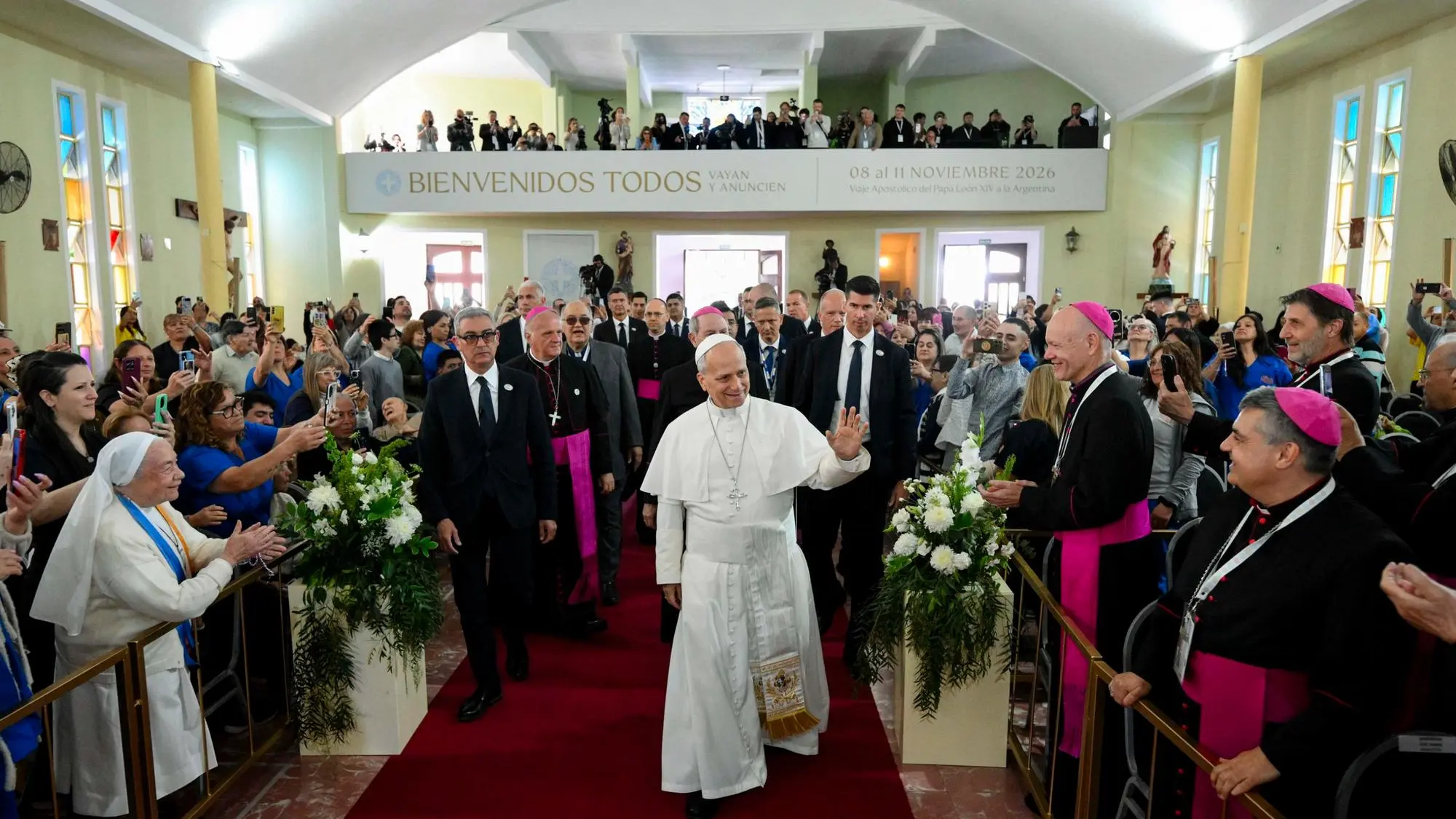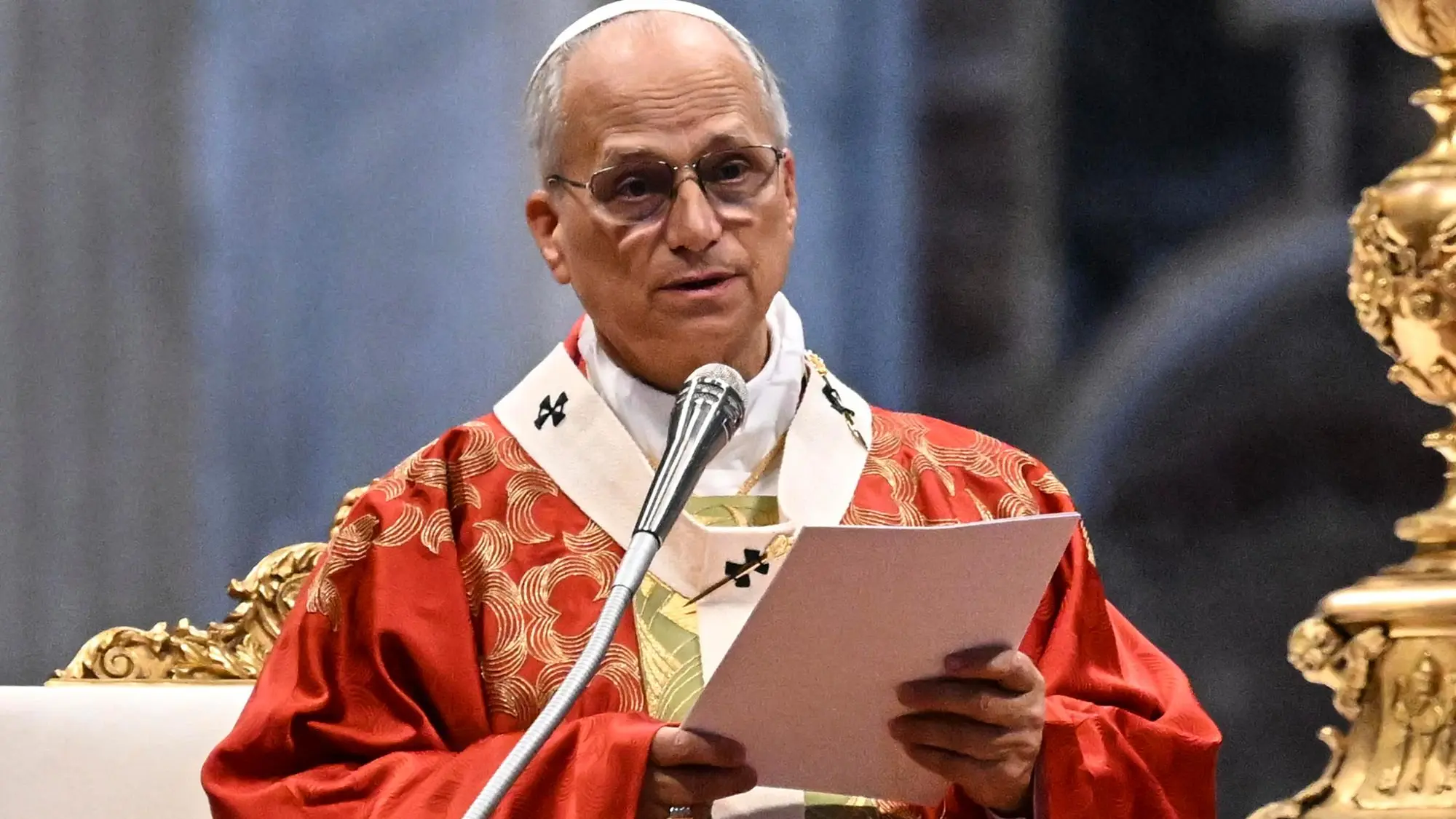


Leo XIV is proud of his American origins, feels "the son of a great nation," and, connected by the Vatican to a ceremony taking place in the United States, gladly wears around his neck the Medal of Freedom, which arrived directly from Philadelphia. It is the eve of the Fourth of July (and his visit to Lampedusa) , and the American Pope delivers a passionate yet sincere speech to his country and, above all, to its leaders. For 250 years, America has always been "synonymous with freedom," as the country opened its doors to successive waves of immigrants, allowing them and their children to help shape the nation's future.
A high-level political speech in which it is difficult not to read an indirect message to Donald Trump, especially when, always with his heart turned towards migrants, he states that " the moral greatness of a nation is manifested above all in its ability to support, protect, and cherish the lives of all, especially the most vulnerable and those whose worth is questioned . After the right to life, freedom has been and is preeminent among the principles revered by the men and women who have sought a new beginning within the borders of this nation, often equating it with a previously unimaginable hope." The United States, therefore, must return to those values. And the Pope, born in Chicago and who, despite his long missionary experience, shows a profound love for his country, adds: "As a son of this great nation, founded by courageous men and women who dreamed of freedom and a better life for themselves and their children, I join you in asking God's blessing on America's future, that the high ideals enshrined at the beginning of the Declaration of Independence may continue to guide the nation's prosperity in unity, justice, and peace."
It is in this spirit that Prevost has decided to celebrate his July 4th in Lampedusa, the island where thousands of migrants arrive. Perhaps someone overseas dreamed of him, on this historic day, right at home, in the US, but instead, once again, he chose the most vulnerable. For the Bishop of Agrigento, Monsignor Alessandro Damiano, Leone's visit "is a message against remigration." The bishop then points out that "trips like this are essential. First Francis, now Leone. In an increasingly hostile context. Legislative proposals that make welcoming migrants increasingly difficult," he says, speaking on the eve of the Pope's arrival on the island, referring precisely to those political forces, from Vannacci to CasaPound, who want the forced return of migrants to their countries. "Welcoming migrants is a serious matter," he concludes.