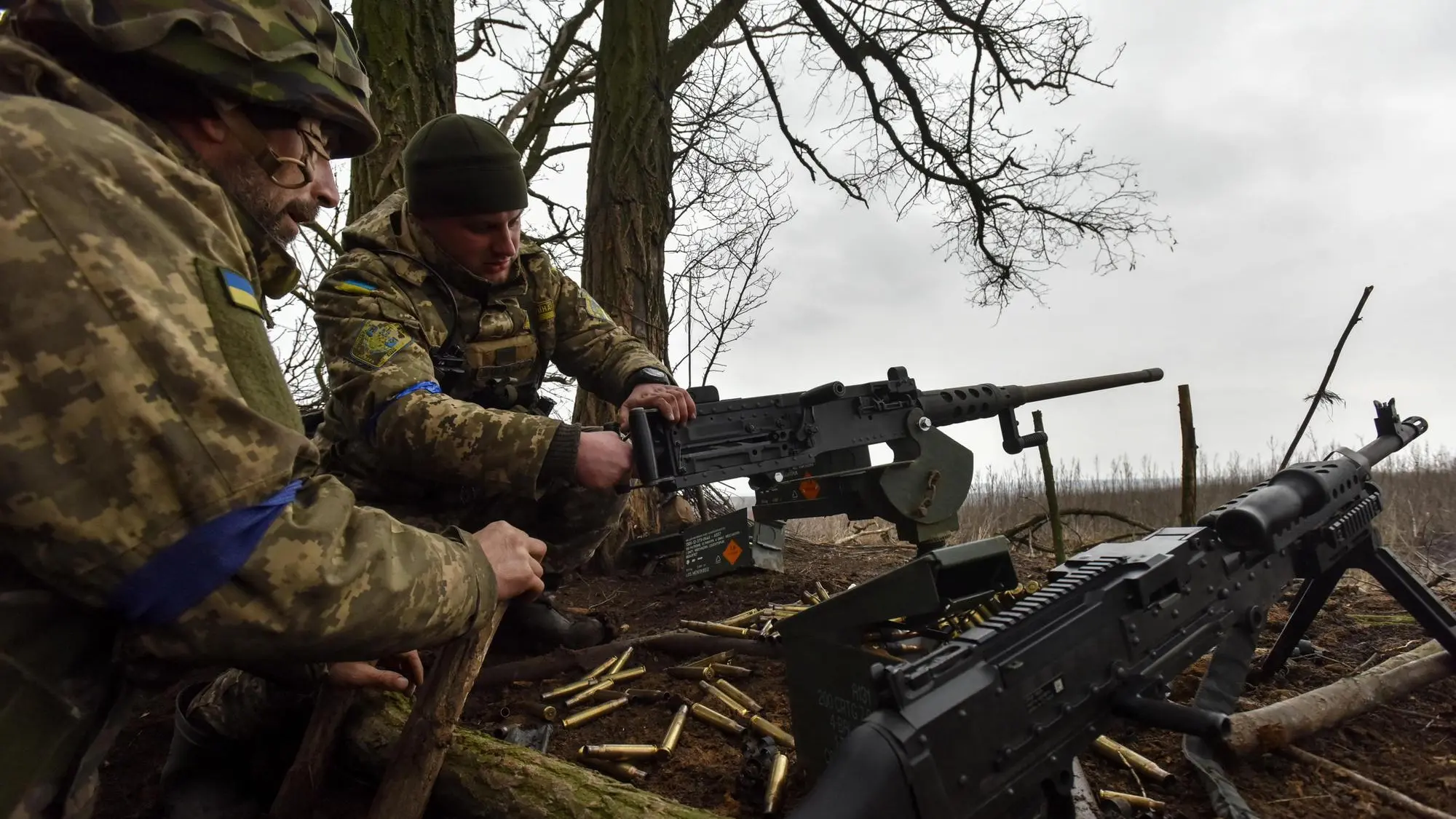


A year has passed since the launch of the Russian special military action against Ukraine, a complex year from all points of view. Lastly, the voice of the streets, according to what has been learned from the media, would seem to launch a heartfelt and heartfelt invocation for peace, and if there still seems to be perplexity about the opportunity to continue on the path of sending arms to Ukraine, greater resoluteness seems to be found in terms of the need to avoid any military escalation which could lead, albeit involuntarily, on the one hand to a direct intervention by NATO in the conflict and, on the other hand, to the possibility that some of the parties could decide to use of the nuclear weapon. All the more so when no Member State, so far and fortunately, has suffered direct aggression capable of soliciting a consequent and collective response.
In short, and all things considered, there is a feeling of profound tiredness probably also due to the heavy contingent economic crisis. If solidarity with Ukraine and its people remains unquestioned, however strong and convinced, however, also the feeling, real or presumed, that the adoption of sanctions to the detriment of Russia reverberates, in substance, and wallets in hand , even to the detriment of our economies, is making its way with overbearing concern.
The moral question, and its motivations, would seem, one year after the beginning of the conflict, to give way to the emergence of even minimal lines of fracture which, in the absence of reassuring and even decisive interventions by the various Governments Europeans, could sharpen to the point of determining significant splits in public opinion. Over the years, even starting from the end of the so-called Cold War, an unshakeable conviction had seemed to emerge: that for which the international community, in its compositional entirety, had made "preventive diplomacy" the primary and unfailing objective of confrontation in the context of conflict resolution, in the deep and rooted conviction that any degeneration of relations into armed conflicts was an option that disrespected not only the consolidated principles of international law, but also and above all, an "offense" to the dignity of the peoples involved. And if, to date, the dialectical opposition between "aggressor" and "attacked" continues to dominate the field of confrontation, nevertheless, and with good likelihood, a perplexity that is anything but extemporaneous also seems to arise. The one for which, probably, it would not be too wise to hope to proceed by continuing to supply armaments, albeit of a "defensive" nature (if a distinction can really be made between "offensive" and "defensive" weapons), to the oppressed people, finalizing the action to obtain the capitulation of Russia and its consequent disintegration.